To reach children and young people with social problems, more and more people are using an unusual method: Pen & Paper role-playing games.
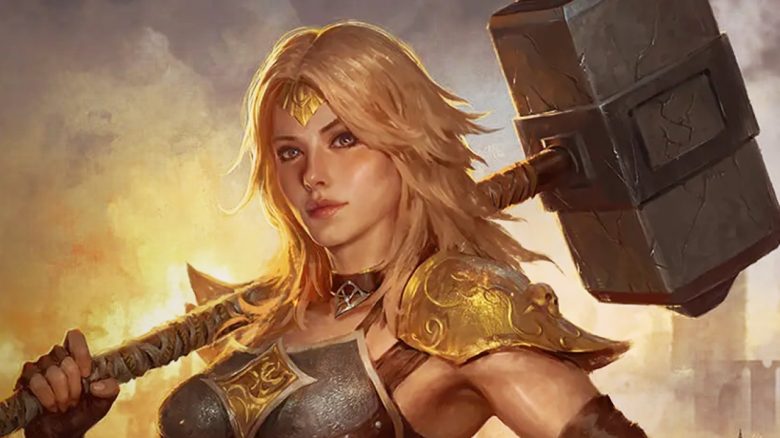
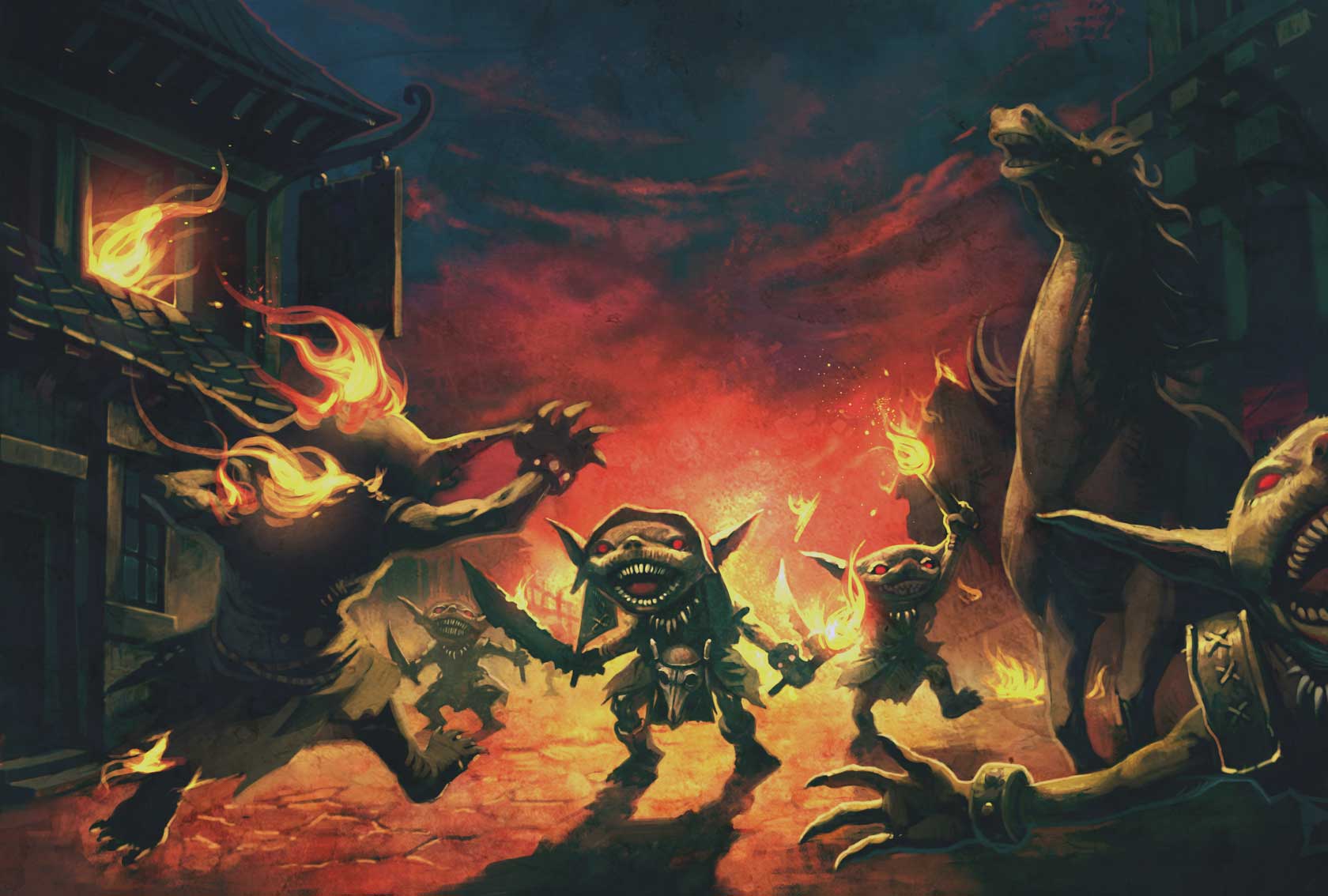
Role-playing games can have some quite healing effects on many people. For a few hours, one can escape the dreary everyday life and simply step into the role of another character. Whether it is a powerful Dwarven Barbarian slaughtering goblins or the graceful Elven Priestess inspiring hope and courage in her allies.
Especially in the field of Pen & Paper role-playing games, the identification with one’s own character is particularly strong – no wonder, every detail of background, skills, strengths, and weaknesses is meticulously established. And it is exactly here that help can be provided to children and young people, where other therapeutic approaches fail without a sound.
In Seattle, there is the “Wheelhouse Workshop,” which offers gaming groups from the Dungeons & Dragons universe primarily aimed at children and young people with social problems. And the success speaks for itself.
Introverted children thrive in role-playing
Davis, one of the operators of the Wheelhouse Workshop, tells of children who stand out in class because they are completely closed off and shy. But in role-playing, they bloom and have the opportunity to try out different roles and ideally take a few slices of that.
A gaming group with “therapeutic” thoughts requires just a bit more planning than any other gaming session. Davis lets the players feel the consequences of their actions much more often. When the young people decide to raid a outpost full of sleeping orcs, he makes them feel through the description of the situation how the orcs’ children and women feel.

In another case, there was a closed-off boy who always sat curled up in his place. However, in role-playing, he wanted to play a loud barbarian – so Davis let him sit at the table like that barbarian: legs spread wide and taking up a lot of space.
In this environment, the consequences of actions can be explored without anyone being physically hurt.
Problems in role-playing are similar to those in real life
At PAX East, the operators of such gaming groups also discussed particularly successful cases. The art lies in presenting the young people with problems that resemble the issues in their real lives and forcing them to try different solutions.
Some players are already satisfied if they receive recognition in this way. For those who have managed without many friends and encouraging words in everyday life, it can mean a lot if the boy next door suddenly needs them to decipher a magical rune or to pick a lock.
The potential of role-playing games for therapeutic and social development is undoubtedly great.
Even in Germany, there are already similar organizations and associations that rely on the educational and healing effect of role-playing games, such as the Waldritter. One would love to be a child again.
If you are already into role-playing, it should be good too. Otherwise, the hammer will hit you.