

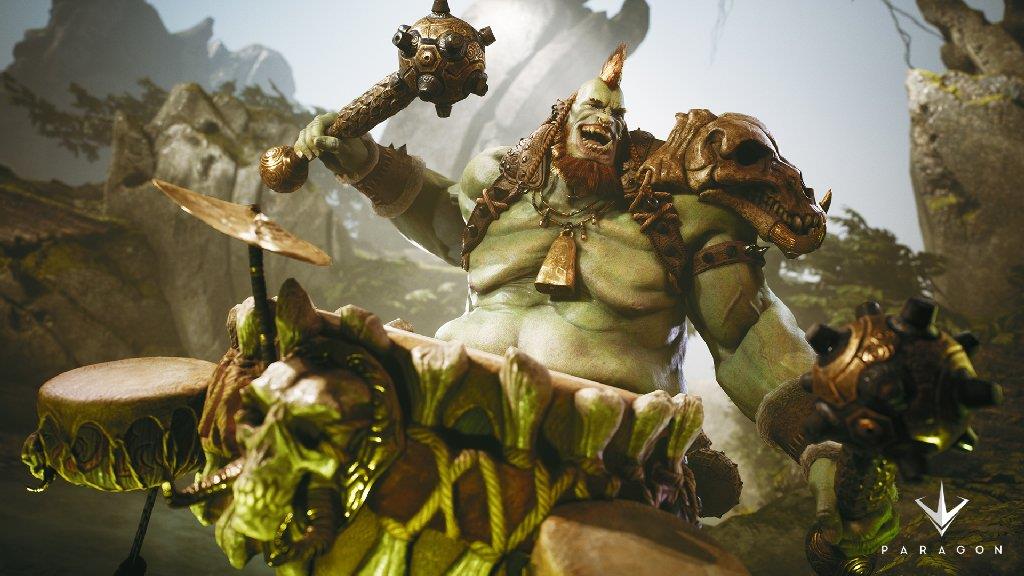
Paragon by Epic Games is a MOBA game that is achieving great success despite high competition. In an interview, Creative Director Donald Mustard revealed why they are happy about the competition from Blizzard and Riot instead of losing heart.
Epic Games is primarily known for the Unreal series, the Unreal Engine, and Gears of War. However, for some time now, the studio has been venturing into mobile games like Infinity Blade, earning royalties from the Unreal Engine, and has ceded the Gears of War license to Microsoft. They also developed a MOBA called Paragon. What were the reasons for this shift, and was the studio successful with it?
Epic Games – The Market is Changing
Answers to these questions are provided by Donald Mustard, Creative Director of Epic Games, in an interview with Gamesindustry.biz at GDC last month. According to Mustard, a shift in the developer landscape has been noticeable for five years now. The development moved away from the classic boxed product that is finished at release. Instead, games have become “Games as a Service”, products designed for long-term success that are constantly being developed.

This development was not to be missed by Epic, and they set out to develop products based on the Games-as-a-Service idea. The first fruit of these efforts was Paragon, which launched last spring, currently celebrating its anniversary and has been continually developed since the first Early Access.
Paragon – No Fear of Blizzard
Paragon was released at the same time as Blizzard’s Overwatch and Gearbox’s Battleborn. Overwatch, in particular, has proven to be a real hit, and the hero shooter was supposed to sweep the competition away (Mustard sees Overwatch’s gameplay as closely related to a MOBA).
However, this is not the case. Mustard says: “Paragon is doing fantastic! We couldn’t be happier with Paragon!”
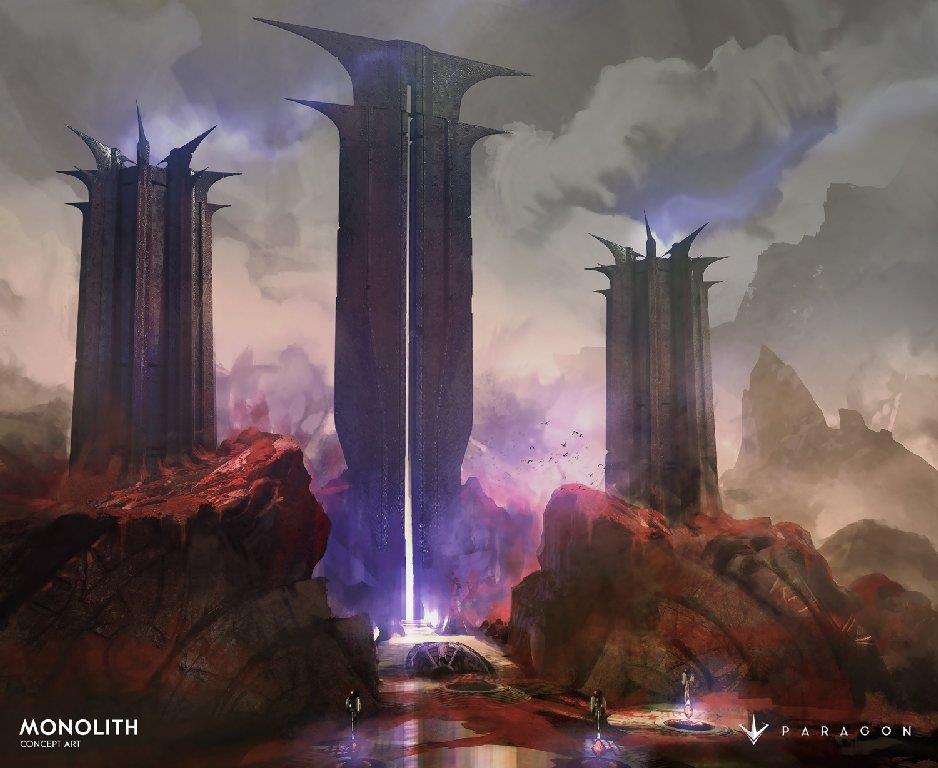
The game had 600,000 active players until last December, and after the major (and controversial) Monolith update, there were a proud 850,000.
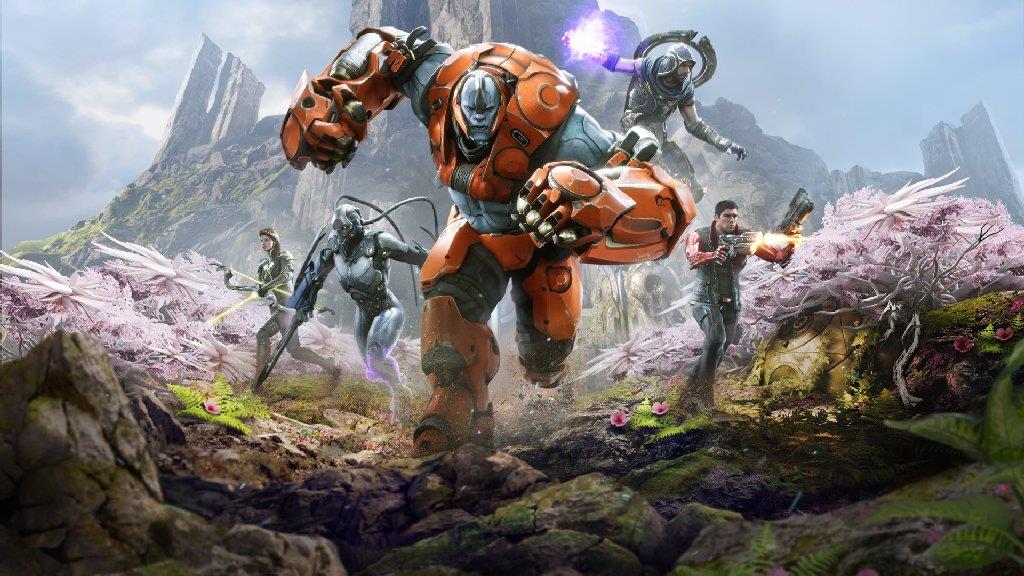
The great success of Blizzard and Riot (League of Legends) is good news for Mustard:
“We see the success of League [of Legends] and DOTA and Overwatch, and instead of saying, “Oh no!” we say, “That’s the most encouraging news we’ve ever had!” This shows how great the interest of customers in this genre and market segment is.
Games as a Service – A Golden Age for Gaming
Mustard sees the current time as particularly good for games:
“I believe we are in a golden age of gaming because there is such a wide audience that wants to play video games. If you make a game for a target audience, they will come, they will play it, they will love it, and they will stay. I couldn’t be happier about the success of Overwatch, because it shows us what a lucrative genre we are in.”
Unlike in the past, there is no longer a need for a big launch, where the entire power of the product must take effect from the beginning. Rather, a game is launched, feedback is listened to, and it is then developed according to what the players want. This way, long-term hits can be built.
In English, there is the term “Sleeper Hit” for a film that was launched without much fanfare but was able to establish itself long-term through word of mouth and could celebrate great success over time. Movies like Memento or District 9, Forrest Gump or The Shawshank Redemption, The Big Lebowski or The Sixth Sense are considered sleeper hits.
Developing Games Like Series, Not Like Movies
As another example for his statements, Mustard cited film and television productions. In the past, games were developed like cinema blockbusters: A movie is made, and if it’s good, a sequel is produced, then if that is good, another one is made, and so on.

However, games are now being developed more like series. In this respect, Mustard notes, nobody says after the completion of the first season, “Well, this will go well for 10 episodes, and then we’re done!” Rather, such projects are planned as products with a long lifespan that are meant to entertain their target audience over years.
Competition in the Present and the Past
With this new approach to games, however, one competes not only with the current hit title but also with the top games of previous years. Thus, it is important to keep players engaged with one’s own product and lure them away from the competition.
This is easier, according to Mustard, if one does something differently rather than just repeating the same. For example, he himself plays a lot of Destiny.
What would pull him away from Bungie’s game would be less another Sci-Fi shooter, but rather Red Dead Redemption 2.
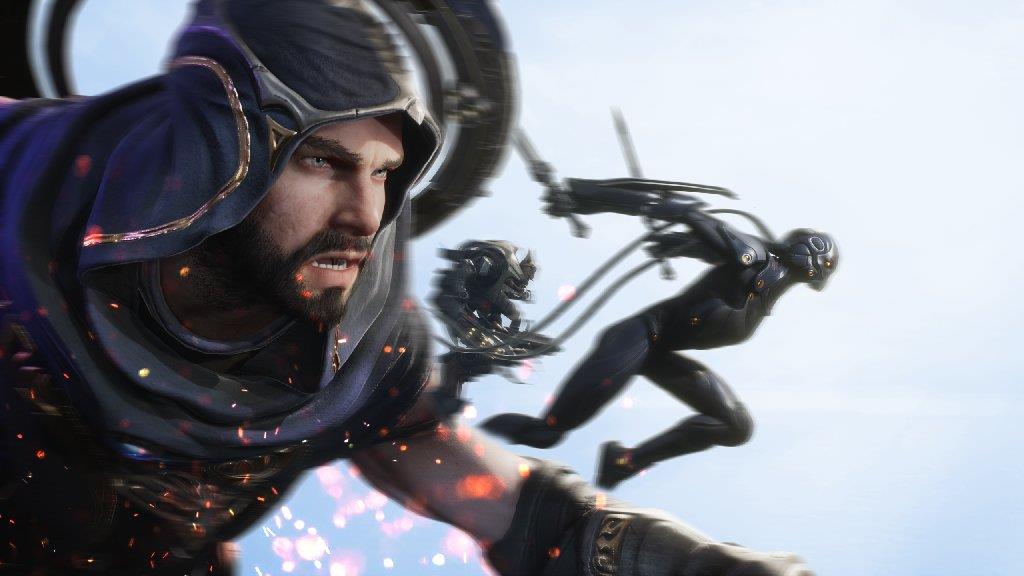
Therefore, companies must move away from the idea of only addressing a single game or genre if they want to remain successful. Only those who are versatile, according to Mustard, can stay in the business long term and be successful.
Also interesting: What do MMOs mean these days?

Your opinion is important to us!
Do you like the article? Then let us know!