

In the 2010s, YouTube was still a new platform, where it was harder to make money. Videos were mostly created for fun, without a monetary intention. However, that changed, and nowadays, advertising on YouTube in various forms is quite normal.
What was different about YouTube back then? The platform YouTube was created in 2005 and was still relatively new in the 2010s. Among the first YouTubers in the U.S. were the duo Smosh.
Even in Germany, YouTube took off, and the first German creators expanded on the platform. Pioneers here included Y-Titty, Gronkh, or iBlali, back then still known as Aligator1024.
One thing that wasn’t widespread back then was the opportunity to make big money on YouTube. In 2010, the German Let’s Player GermanLetsPlay found a way to earn money with his gaming videos. For this, he received a lot of criticism from the community at the time. The group Y-Titty was also in a similar situation when they were suspected of stealth advertising on YouTube in 2014.
When advertising was still stigmatized
What caused a stir with GermanLetsPlay? The Let’s Player GermanLetsPlay was one of the largest creators on YouTube in the 2010s. For Let’s Players, however, it was much harder to be accepted into the already existing YouTube Partner Program compared to channels with other content.
Although GermanLetsPlay was one of the first Let’s Players to be accepted into the Partner Program, he had another idea to monetize his videos. He created his own website where he uploaded his Let’s Plays and placed advertisements. He encouraged his viewers to watch his videos on his website instead, so he could earn more money.
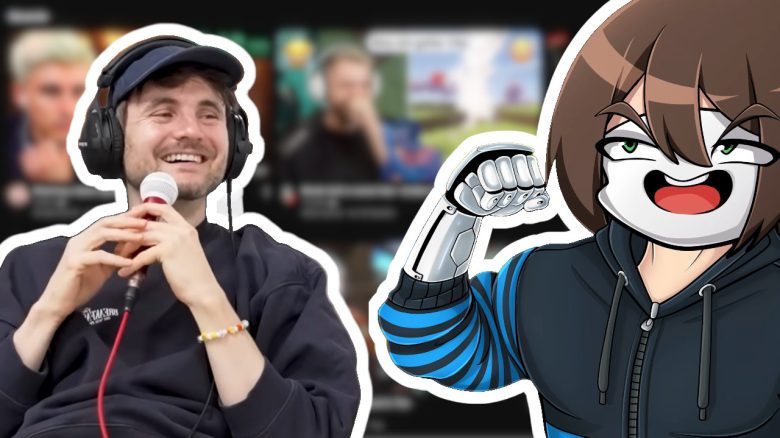
This did not go over well in the YouTube community. In his YouTube video, the YouTuber Viktor “iBlali” talks about the negative sentiment surrounding GermanLetsPlay at the time. Other creators, in particular, criticized GermanLetsPlay for his actions.
For more detailed information and iBlali’s perspective, you can watch his YouTube video:
How did Y-Titty cause a stir back then? In 2014, product placements were not very widespread. Within the community, this was rather stigmatized, as the narrative quickly emerged that one would sell out for products.
The comedy trio Y-Titty was suspected of stealth advertising in 2014. Prominent products from companies like Samsung or McDonald’s allegedly kept being integrated into the videos without proper labeling. The regional media authorities took up the case at that time, as DER SPIEGEL reported at the time.
In the end, there was no major fine or anything similar, but a kind of turnaround occurred. YouTubers were required to label advertisements properly with “Supported by product placements” or “Advertising” in the future.
Advertising is now part of YouTube
What is it like today? Nowadays, it is quite normal to earn money with advertising on YouTube. Either content creators have their videos directly monetized on YouTube and receive the money from the platform, or they have placements in their videos.
Some creators even rely on regular sponsors in their videos due to their elaborate productions. For example, creators like Tomatolix and Simplicissimus always have at least one advertising partner in their videos.

Many expenses for his documentaries flow in, which Tomatolix can often only finance with sponsors and not solely through ad revenue.



As you can see, a lot has changed in the YouTube community. What was once viewed with a critical eye, both from outside and within the communities on YouTube, is standard today.
Something that was also widespread back then were networks in which YouTubers were under contract. Nowadays, that is no longer necessarily the norm, but back then it saved the YouTuber iBlali from ending his career: Big YouTuber has been on the platform for almost 20 years, even though he almost lost his channel

Your opinion is important to us!
Do you like the article? Then let us know!