

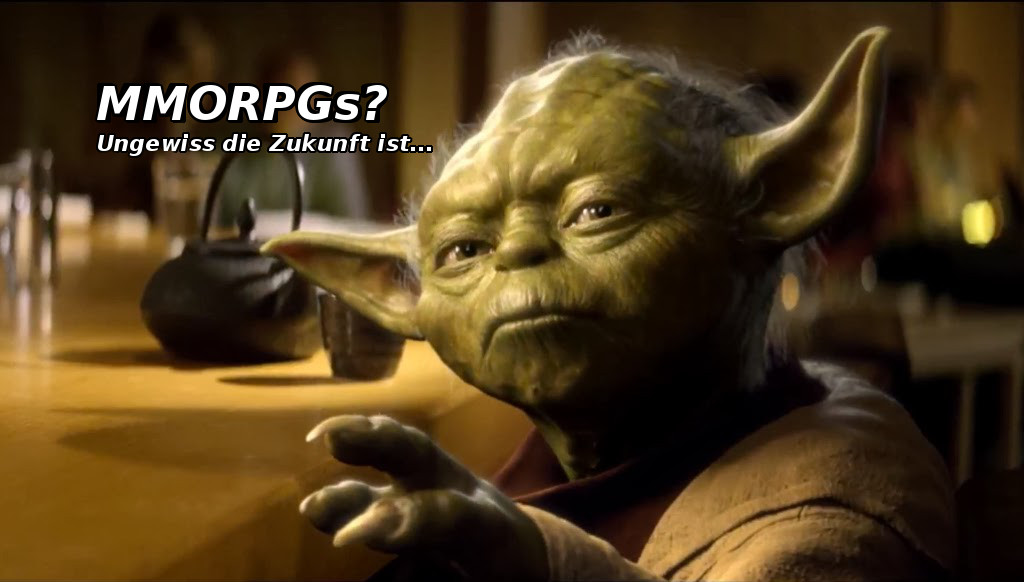
Are MMORPGs out in 2017? Do WoW, Guild Wars 2, or The Elder Scrolls Online no longer want new players?

It’s a strange situation for classic MMORPGs. The top games of 2017 rely on typical MMORPG elements and gain a ton of new players.
But the MMORPGs themselves are going in a different direction and seem to be focusing on bringing back former players.
What are the trends in gaming?
Currently, we have two major multiplayer trends that can be identified in gaming, and have been for several years:
Fast multiplayer games in match format
These are fast multiplayer games that are played in individual matches of 10-20 minutes and are highly attractive to streamers and their viewers. There is no story in focus here; rather, the individual matches resemble sports games and are restarted each time.
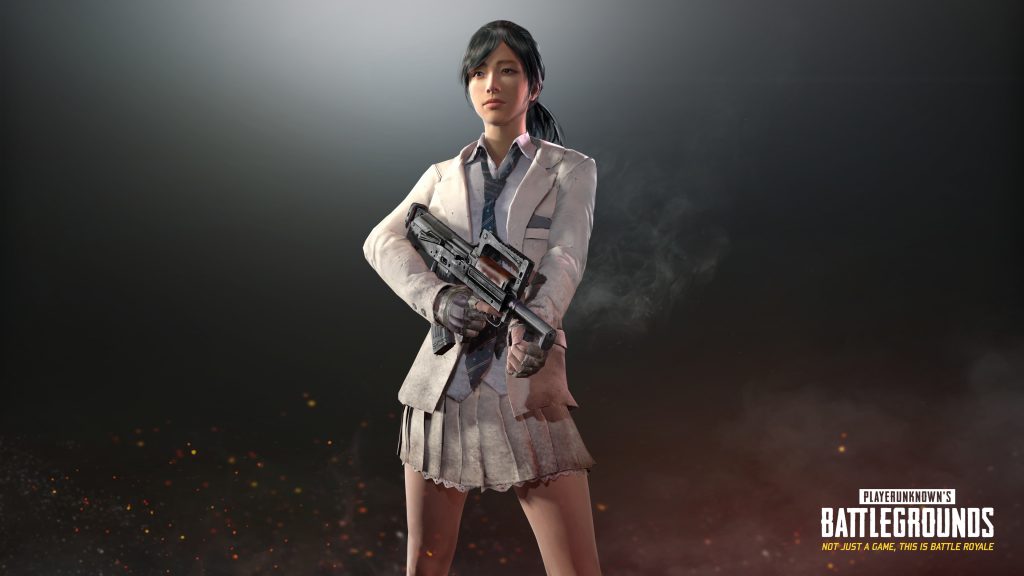
Examples include PlayerUnknown’s Battlegrounds, LoL, Overwatch, Hearthstone, Dota 2, and similar games. Event games like Friday the 13th: The Game fit into this category and fully capitalize on Twitch and their streamability.
These are the games that dominate on Twitch and frequently determine the news. Something funny happens in a stream – the gaming press writes about it. Large US sites like Kotaku or Polygon have specialized in this by now.
More about this in this article: PvP titles booming on Twitch!
Games as a service as a money-making machine
The second trend is cooperative action games with RPG elements. Here, teamwork and continuous character improvement, along with the search for better loot, take center stage.
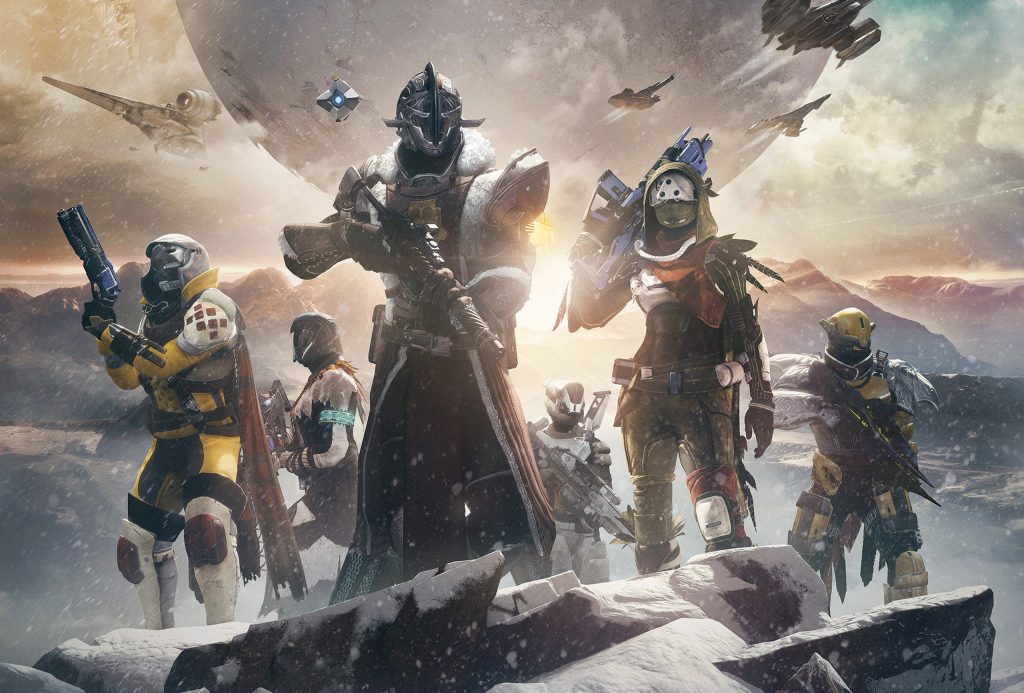
An example of this trend is a game like Destiny 2. Upcoming games like Monster Hunter World or Anthem will also go in this direction.
These are games that are at the forefront of revenue. Games like Destiny, The Division, or GTA V Online make a lot of money even years after their release.
More about this in this article: Multiplayer shooters with coop: Where is the competition for Destiny 2?

What are MMORPGs doing?
It is surprising that MMORPGs, which were actually the inspiration for both types of games, are now going in a different direction.
Currently, 5 major paid MMORPGs share the market in the West, each with a decent player base. But the number of players who have played the MMORPG at least once and are no longer playing is even higher.
4 of these 5 games seem to be primarily focused on retaining existing players or winning back old ones. To do this, they rely on “nostalgia”:
- WoW brings back old storylines and characters with Illidan and the Legion in 2016, clearly aiming to bring back former players. The focus is on storylines that originate from the strategy games of the 90s.
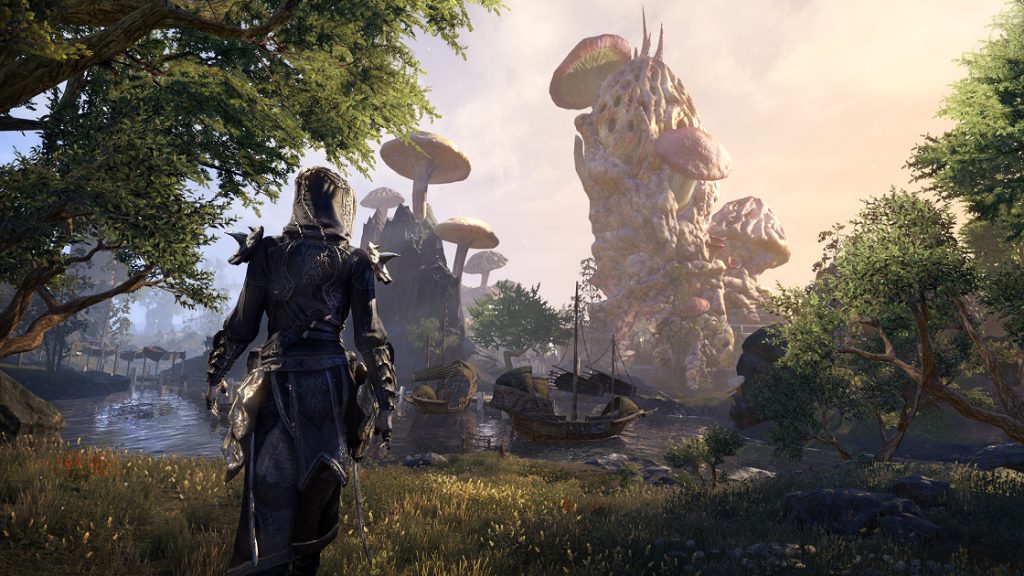
- In The Elder Scrolls Online, the target audience in 2017 consists of players who played Morrowind 15 years ago and want to attract them to ESO, after attracting Skyrim players on PS4 and Xbox One. Zenimax aims to attract people who played Morrowind in 2002 to The Elder Scrolls Online. At the same time, they want to introduce a new generation to this classic.
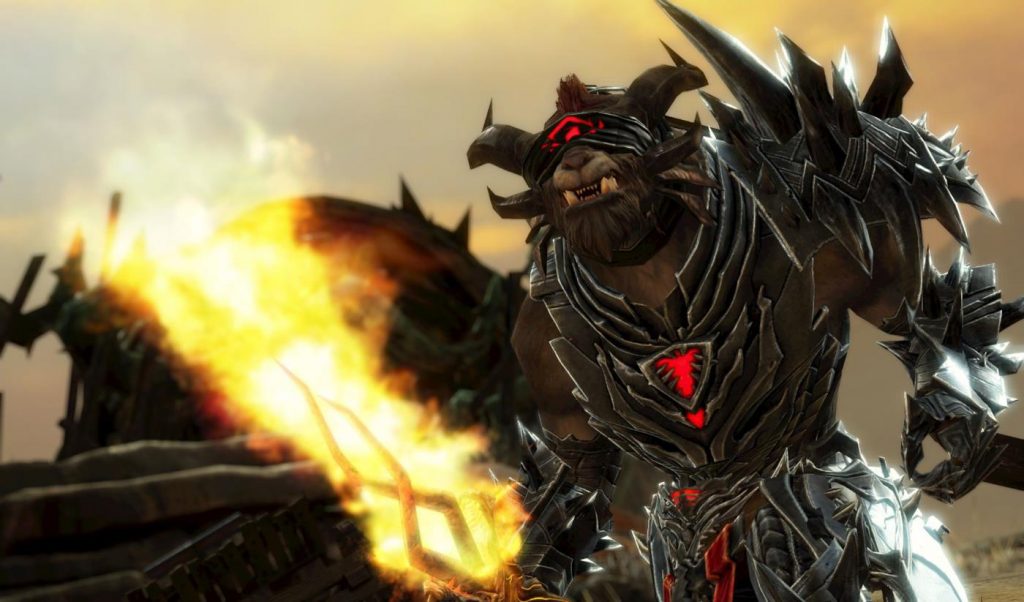
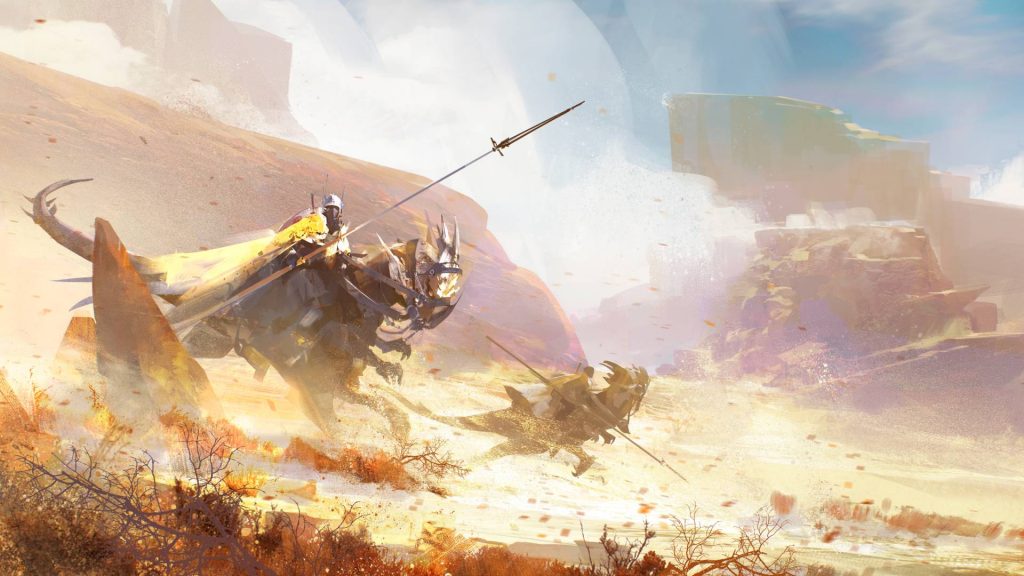
- Guild Wars 2 only markets internally, and in the new expansion “Path of Fire,” it almost completely avoids addressing new players. Guild Wars barely appears in the media for the new addon, relying on YouTubers and its own channels to promote the expansion. The content of the “Path of Fire” expansion is more aimed at Guild Wars 1.
- In Final Fantasy XIV, Square Enix continues the course set with Stormblood, wanting to retain existing players or win back old ones. They tell an epic story with hundreds of internal connections – anyone wanting to join must catch up on the previous story, as Final Fantasy XIV Stormblood is story-locked. With a “Level Boost,” the Jumping Potion, Square Enix aims to simplify re-entry. However, this is only available for real money.

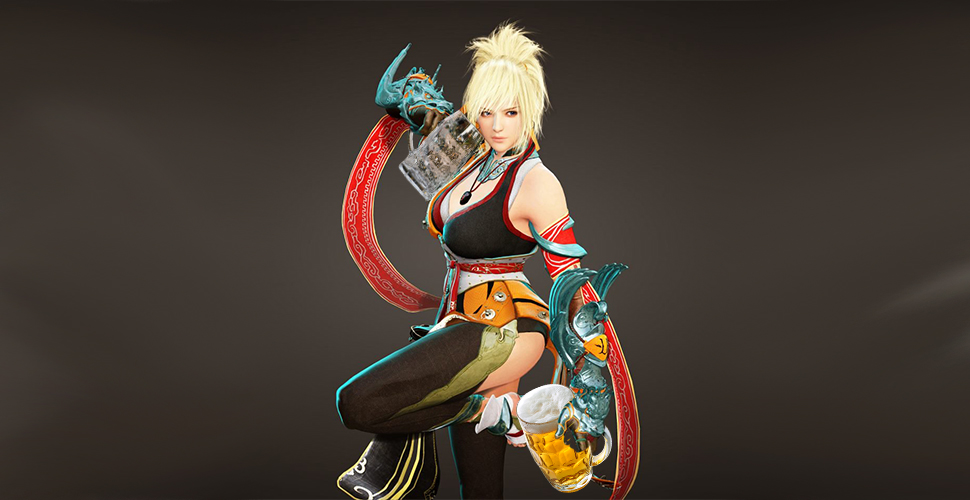
- The only major MMORPG that seems to be looking towards the future is Black Desert. Here, the Korean developers plan a remastering of graphics and audio, a port to PS4 and Xbox One. Numerous new features are to come – of which little has been seen in 2017.
Former players as the largest target group – the MMORPG pool of players
For the other MMORPGs, it seems that they have almost given up on exciting new players for the genre. There is no longer a search for competition with games like LoL or Overwatch.
For years, it seems to have been accepted that the new generation of players leans towards MOBAs or action games – not MMORPGs.
Rather, MMORPG studios seem to be focused on regaining former players rather than bringing in new ones. Or they attempt to lure players away from MMORPGs or wait for the old MMORPGs to fade away.
Significantly, in February 2017, there was the story of an older man who said goodbye to his MMORPG Asheron’s Call. The servers were shut down. And Blizzard was ready to give him a copy of World of Warcraft.
This is a self-fulfilling prophecy. When the game content itself is “backward-looking,” refers to previous storylines, or even refers to earlier games, it becomes difficult to attract new players. One might feel: I’m starting with the 4th book without having read the first 3.
With innovations and new features, MMORPGs are sparse and cautious: they don’t want to scare away existing players with too much change. Everywhere it is said: This is now a “content” expansion. All expansions in 2017 from ESO, Final Fantasy, and Guild Wars 2 lacked real, new game features. Instead, they pride themselves on remaining the game they are and are happy to emphasize that.
All MMORPG addons in 2017 aimed to tell a new story based on the old, familiar rules.
No MMORPG currently truly wants to excite new people for the genre. Instead, it seems as if the existing pool of MMORPG players is swaying back and forth between the games without really new players joining. The MMORPG with the new content is the one that gets played.
The studios seem to specialize in wanting to regain former players. They then make offers with “instant leveling up” or similar deals.
It will be interesting to observe the role of Black Desert. There has been relatively little going on in 2017 thus far – but the plans of the Korean MMORPG are aimed towards the future. Particularly, a port to PS4 and Xbox One is targeted. Older Asian MMORPGs like Tera or Blade and Soul are also planning this. This could then bring “new players” into the genre.
MMORPGs are not dead but a bit “out”
There is probably no expectation of “new MMORPGs in the AAA sector” in the coming years. The current MMORPGs are doing relatively well, and the pool of MMORPG players is still filled.
However, the danger is that players from the ebbing and flowing player pool will completely drop out. Moreover, new indie MMORPGs are also targeting genre veterans, wanting to offer them what MMORPGs “used to” offer. Games like Camelot Unchained, Crowfall, or Pantheon: Rise of the Fallen are fully on the nostalgia trip. The behavior of the “big 5” could still play into their hands.
MMORPGs are therefore not dead yet, there are still enough fans to maintain the existing MMORPGs. However, MMORPGs are not currently trending in gaming, and it seems the gaming industry has come to terms with that. Who knows how long this will last?
These 16 new MMORPGs are coming in 2017 and 2018

Your opinion is important to us!
Do you like the article? Then let us know!