


At Massive, they now see The Division 2 as a second marriage that is supposed to last beyond the honeymoon. Longevity was the focus during development. Massive is now more aware than during the first installment of what kind of long-term relationship they are entering into.

Who is speaking? David Polfeldt is the Managing Director at Massive Entertainment. He gave an interview to gamesindustry.biz
What does he mean by the second marriage? According to Polfeldt, during the first marriage, people are often just happy to be in love. That is enough. Then they just see what happens.
In the second marriage, however, people know a bit more about what happens after the initial phase of infatuation. Therefore, they pay more attention to how the relationship develops over time.
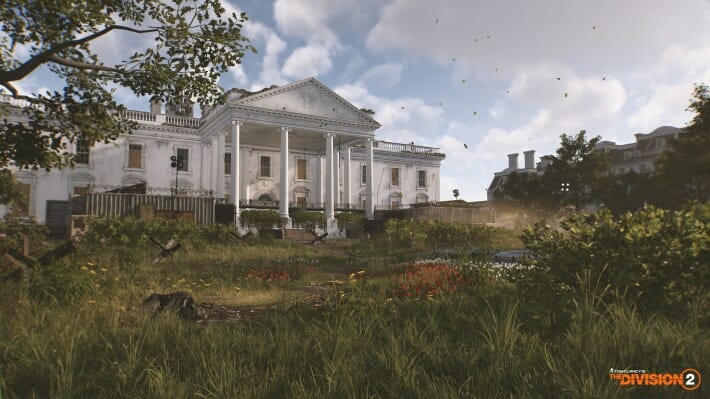
The difference: Compared to the first part, Massive now knows what to expect. It’s not just about meeting high expectations on launch day, but also fulfilling those high expectations after a year, two years, and three years.
They are not really less naive than back then, but are much more aware that The Division 2 represents a long-term relationship between developers and players.
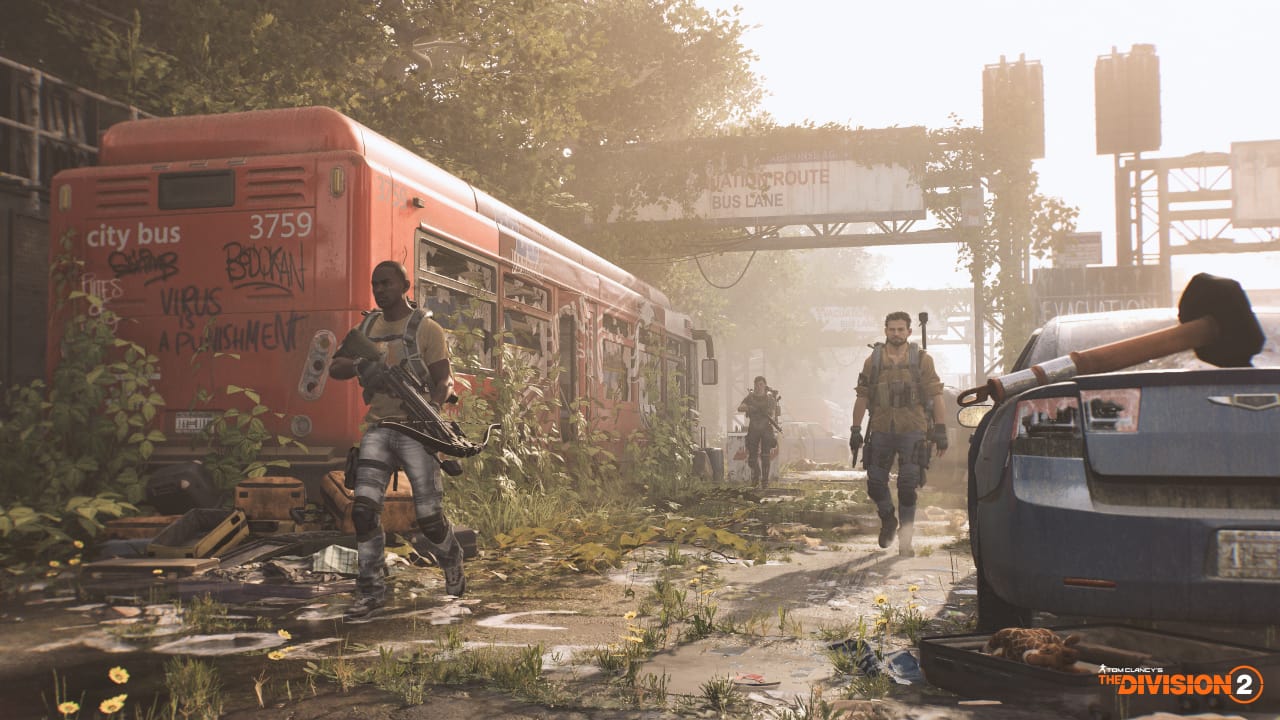
Longevity was the focus of development: This idea also affected the work on the game. They always asked themselves: “Where will we be in 2 years? Will players still enjoy it after a long time?”
The campaign of The Division 2, in this comparison, is seen by Massive as the time of “being in love”, but the focus at Massive seems to be on how it continues afterward.
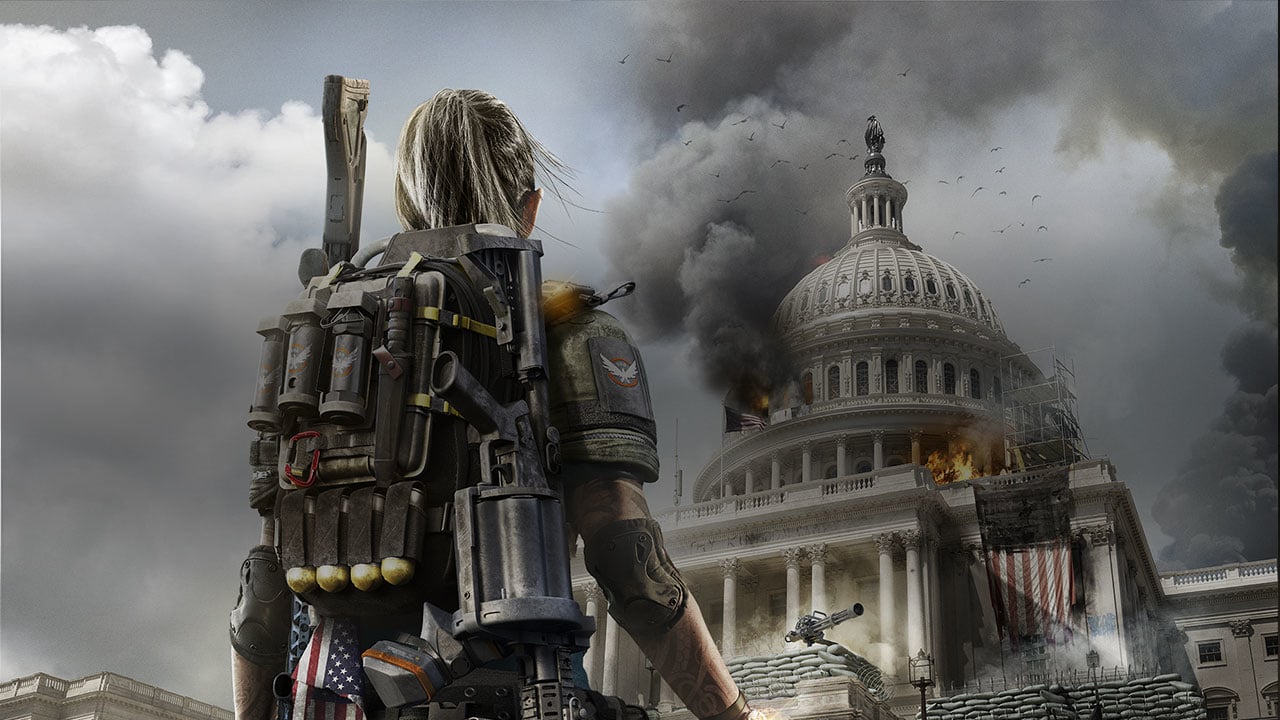
Massive wants to engage players more strongly with The Division 2 than with the first part
How can Massive achieve that? Massive believes that after all this time with The Division, they are more than ready to take on the challenge. They want to keep players engaged with The Division 2 and connect them to the summery Washington.

To find out what players really want, Polfeldt cites a number of data points from The Division. It’s about “a million little things.”
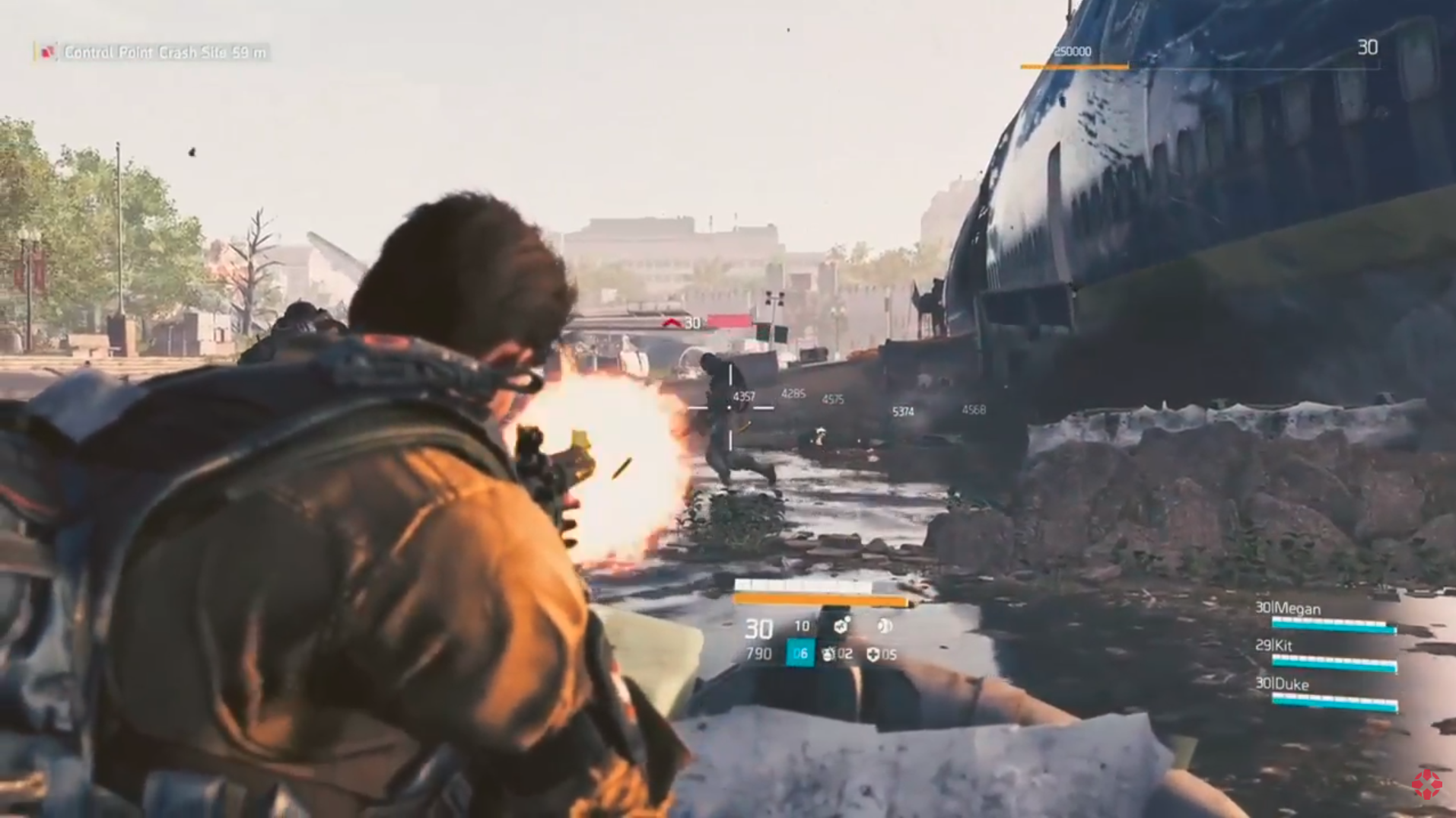
It was noted in The Division 1 that people dropped out in masses between two certain missions. This was not because the missions were too difficult, but because players simply couldn’t find them. The interface makes it hard for players to find the next task after completing a mission. The data clearly indicated this. After a small fix to the interface, this problem was resolved.
Hopefully, all these things are better understood in the second marriage than in the first.


Your opinion is important to us!
Do you like the article? Then let us know!