

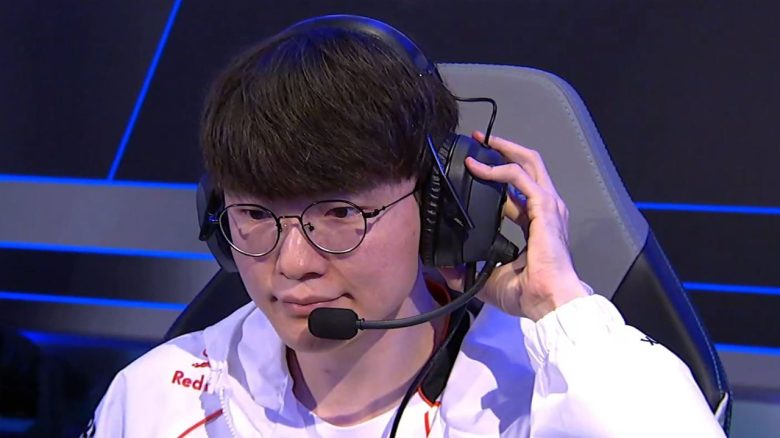
The League of Legends Champions Korea is one of the most important leagues in LoL and the home of the legendary team T1. However, the LCK has recorded massive losses in recent years.

Which league is this about? The South Korean league for League of Legends, the LCK, is considered one of the most popular leagues in eSports. In the Spring Split 2024, a new viewership record was set with the final duel between Faker and the new star Chovy: 2.6 million people watched the battle of the giants.
If you think the league is swimming in money with such viewership numbers, you are mistaken: Reports indicate that the LCK is facing millions in losses, and experts fear the league may be on the verge of collapse.
The LCK lost more money in 2024 than in the previous 2 years combined
This is the state of the league: As reported by the Korean site DealSite on April 21, 2025, citing the electronic disclosure system of the Financial Supervisory Service FSS, the LCK has lost nearly 50 billion won over the past 3 years – equivalent to about 30 million euros.
In the record year 2024, more was lost than in the two previous years combined:
- 2022: -8.1 billion KRW (~4.9 million euros)
- 2023: -13.2 billion KRW (~8 billion euros)
- 2024: -28.5 billion KRW (~17.45 billion euros)
During the same period, sales have also drastically declined. The losses may also stem from the fact that the LCK significantly lowered the fees for participating teams and offered profit sharing to help the teams stay afloat.
In 2024, the league also lost an exclusive deal with the Chinese streaming platform Huya.
Moreover, the LCK hosted the Valorant Champions Seoul in the LoL Park Arena, which likely incurred high operating costs. Even though the league is incurring losses, it may be that the owners, Riot, are still making money with the LCK.
Financial experts now fear that this way of operating may not be sustainable for the league in the long run. Even if the LCK isn’t facing immediate collapse, it should find new ways to generate revenue in order to possibly become profitable again.



If even the major Korean league is struggling with the “eSports winter,” one can easily imagine how things are elsewhere. In Germany, Eintracht Spandau had to learn the hard way that sporting success does not necessarily mean profit: Team HandOfBlood became European champions in LoL, but is now at the bottom of the league

Your opinion is important to us!
Do you like the article? Then let us know!