


In Europe, mobile games have long been the domain of casual games like Candy Crush or Clash of Clans. In 2019 and 2020, that changes. The big players in the PC market are now bringing their games to mobile. And these are the favorite games of core gamers, their sacred “Core Games” like Diablo, Call of Duty, or League of Legends.
What you need to know: The mobile boom in gaming has been around for a long time. Also here at home:
- A game like Angry Birds was a hit as early as 2009.
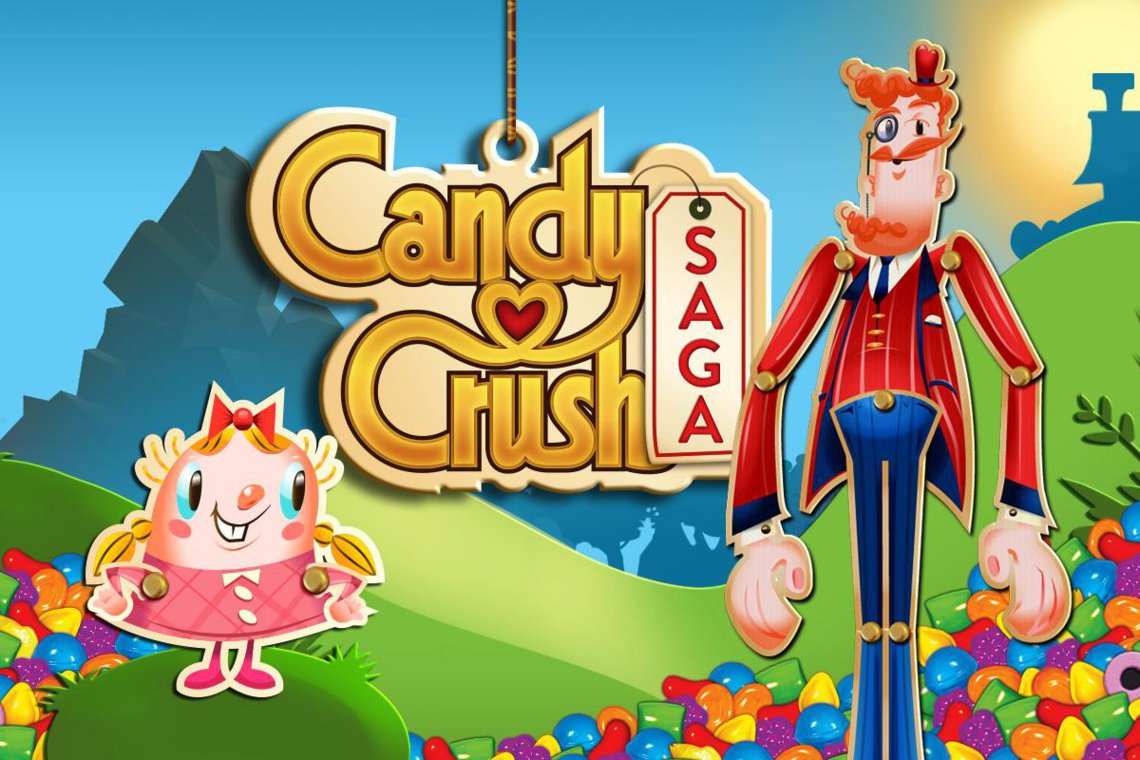
- Candy Crush Saga has been raking in big bucks since 2012.
- Clash of Clans came out in 2013 and even made it to a Super Bowl spot with Liam Neeson.
These are all successful mobile games. However, they have little to do with “traditional gaming.”
This is a market that has been running parallel to “our” gaming, the core gaming, on PC, PS4, and Xbox One for years.
The mobile market originally emerged from Facebook games and browser games and suddenly boomed around 2009 when everyone gradually got a smartphone.
The trend started years ago in Asia
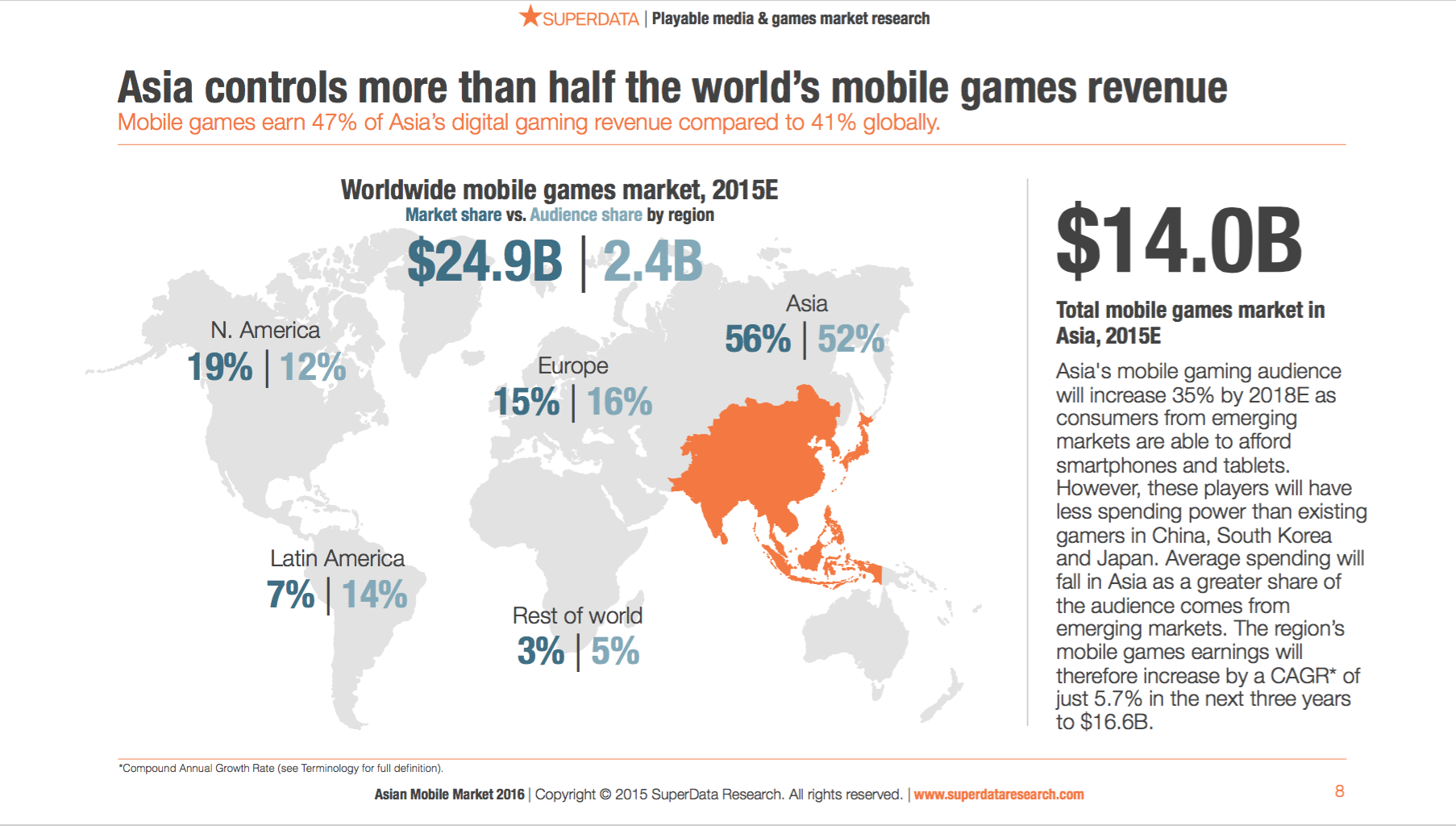
In South Korea, the established large game studios, which have made money with PC games for years, have early on transitioned to bringing “core games” to mobile. In 2015, the market was already over $14 billion.
In China, this trend also started several years ago. Tencent’s hit game “Honor of Kings” was released in 2015.
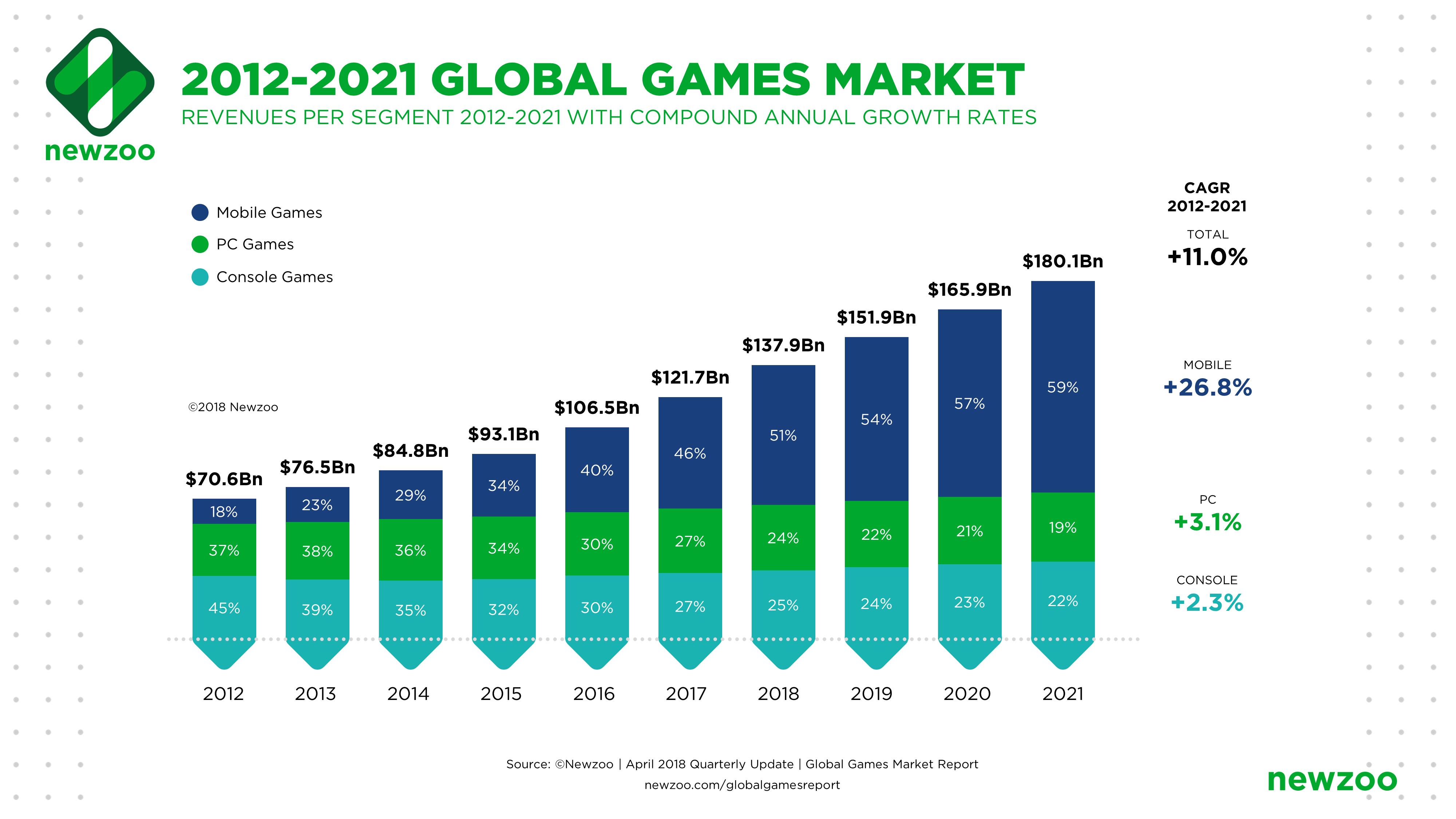
Since that began, the market for mobile games has been growing bigger year by year. PC and consoles are also growing – but much more slowly.
Today, “core gaming” in Asia is largely mobile:
- People are playing PUBG on mobile – in India, they are totally crazy about it
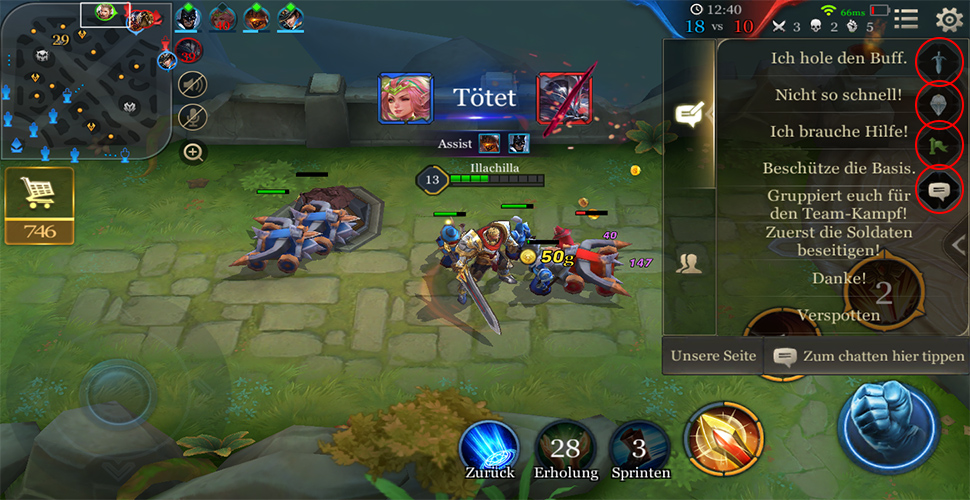
- People are playing LoL on mobile – the mobile clone “Honor of Kings” is so huge in China that the government is concerned about their youth’s eyesight
- People are playing collectible RPGs on mobile – Japan is totally crazy about Fate/Grand Order
- And people are playing MMORPGs on mobile – it’s booming in Korea and has revived the slightly struggling software giants overnight
All these games are far from “Candy Crush”; they are essentially “real” core games.
The West is lagging behind the trend
Why isn’t it like this here? In Europe and North America, this trend has not yet emerged. It is often said we are about 5-7 years behind Asia. Accordingly, the trend is due now.
The western publishers are of course not blind and see the great mobile boom in Asia in core gaming and the boom here in casual gaming.
They have pursued two strategies so far:
- They have bought “mobile studios” – for example, “Candy Crush” belongs to Activision Blizzard. The idea was probably to profit from the enormous mobile boom without really getting involved – however, this is not really great, as the publishers buy successful studios at a high price: King is said to have cost Activision Blizzard about $5.9 billion in 2016 (via techcrunch).
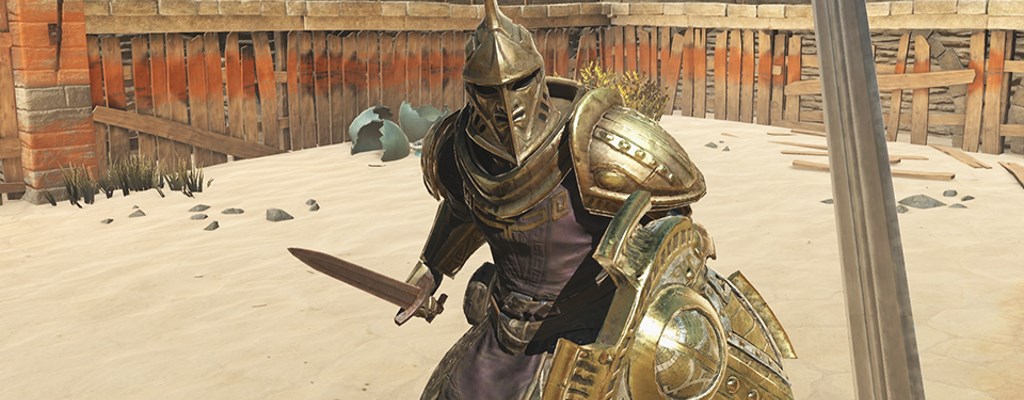
- And they have built “small, light” companion games for their major core games: EA, Bethesda, or Ubisoft have all developed “smaller mobile” games – slightly downsized versions of their big games. Games like Fallout Shelter were first successes. There is also a “mobile Skyrim” with The Elder Scrolls: Blades or a “mobile The Sims” from EA.
However, there have been hardly any attempts to bring “core” games to mobile. All companies have been planning this for a long time, but it is only now that it is really starting.
The Asians have now tried to bring their “mobile hits” here to the West but have come back with bloody noses. Despite a large advertising budget, games like Lineage 2 Revolution, which earn billions in Asia, have failed here in the West, also because we have hardly any relationship with their brands.
The Chinese, however, are buying our successful mobile studios for a lot of money.

That is now different: After a 5-year delay, the studios are now ready to launch their mobile offensive. Apparently, internal convincing work had to be done – at first, Riot Games said that they couldn’t bring LoL to mobile. But now core games are on the horizon:
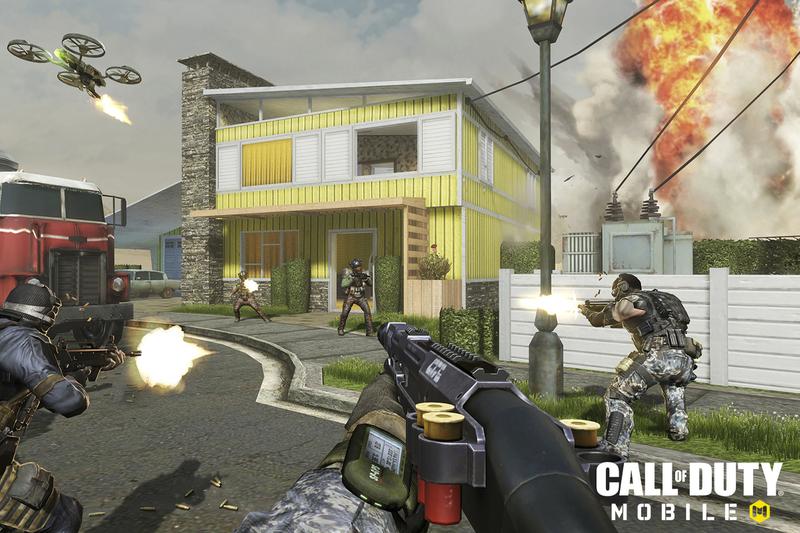
- Call of Duty Mobile is already live and running excellently
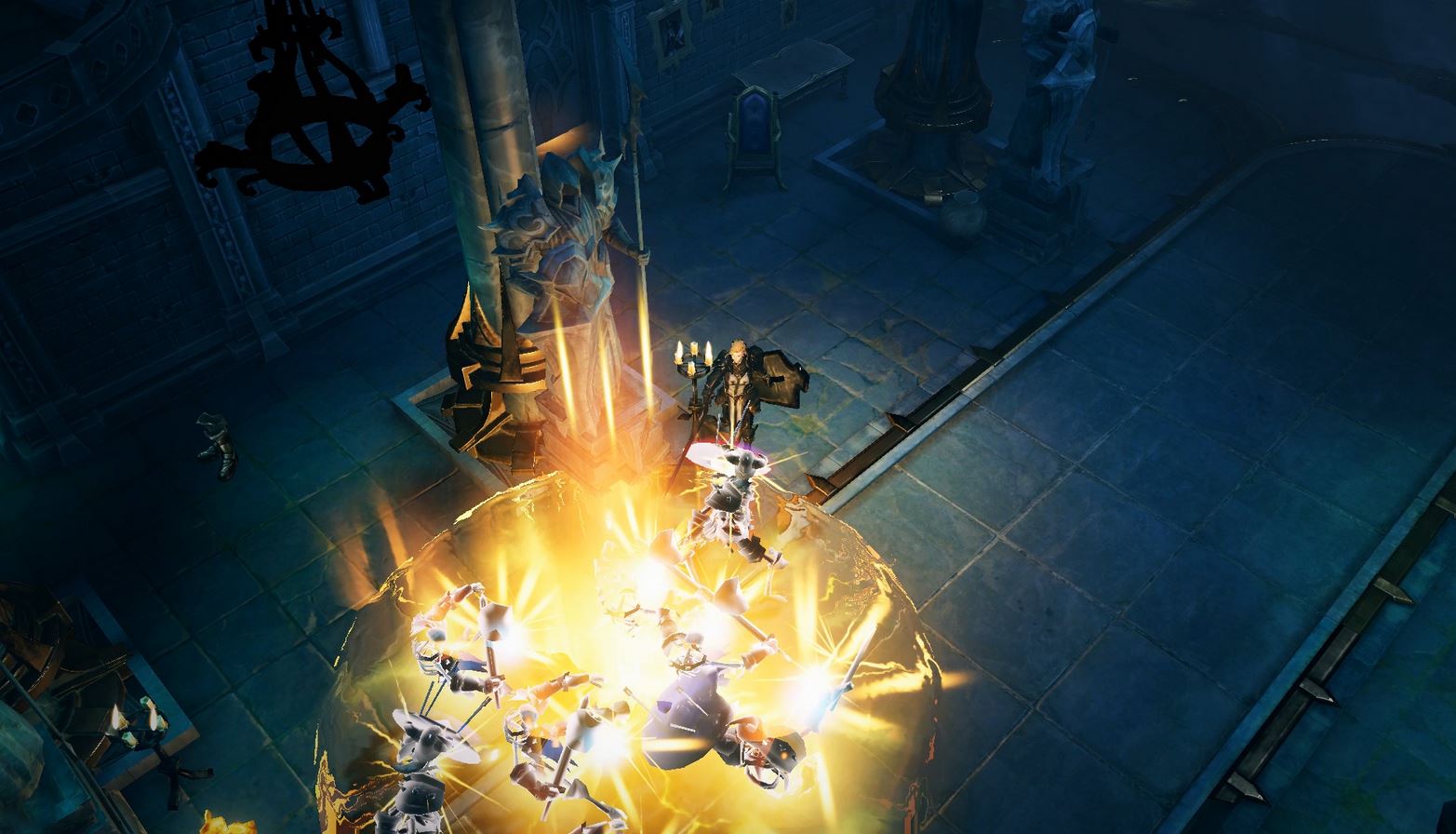
- Diablo Immortal is expected to come soon and, despite much opposition, is sure to be successful. We will probably learn when it starts at BlizzCon. According to everything we know, it could really start in the coming weeks.
- LoL Mobile has now been announced after years and should not be far off. In 2020 it is set to launch as “LoL Wild Rift”.
It is clear: These are now the big brands. These are the favorite games of core gamers. The studios are serious.
Why is this important? Core gaming on mobile is a big opportunity for publishers:
- To re-engage former players who do not have much time to play at home, but who could perhaps be convinced while on the go
- To bind players firmly to them with deep and complex games and thus provide a gaming experience that casual games cannot deliver
- And to reach new target groups – for almost everyone has a mobile phone, though not everyone has a gaming PC or console.
Moreover, the West has to hurry because Asian companies are getting bigger through mobile and beginning to buy into Western firms.
Recently, Tencent (China) took over 29% of Funcom (Conan Exiles). LoL already belongs to Tencent – and they also bought the studio behind Clash of Clans for $8.6 billion in 2018.
The future is mobile, but gamers are fighting back
These are the challenges: Unlike in Asia, studios here have to contend with a notable unwillingness from core gamers:
- Mobile gaming is seen as “casual gaming” in the West – one thinks of Facebook games or someone tending their farm
- Mobile gaming is seen as a “cash grab” in the West – many associate mobile gaming with monetization models that cost a fortune
- Technical difficulties – in some areas, the internet is simply too weak to allow for actual gaming
- and reluctance – one often reads, “Why should I play on a 6-inch display when I have a huge TV or a super PC at home?”
It is clear that publishers will try to tap into this market in 2019 and 2020. Whether they can actually get the existing core gamers to give mobile gaming a chance remains a question that is still quite open.
This will be decided in the coming months. At Gamescom, we will likely see Blizzard present one or another mobile core game.
We can once again eagerly listen to how the reaction will be and whether it has improved compared to 2018. Back then, the reaction of “core gamers” to a mobile Diablo was quite bad.
A fan even asked during a public Q&A: If this was a late April Fool’s joke?


Your opinion is important to us!
Do you like the article? Then let us know!