In the MBOA League of Legends, the strategy for the coming years is becoming clear, and it can be summarized in one word: cult. Apparently, Riot Games wants to take the game to the next level by giving the champions new stories, putting a face to the top players, and providing a narrative for eSports.
League of Legends is currently at the pinnacle of gaming. In any statistic – Riot’s brainchild is at the forefront. How many hours a game is played; how much money the developer makes; how many players are playing in total; how popular a game is as an eSport; in the Twitch rankings, in this or that statistic – everywhere League of Legends is number one. And comfortably number one at that. The foundation is laid, the structure is in place, and there is nothing more to improve on the formula.
So, who should the game learn from? Dota 2, Counter-Strike, or one of the emerging MOBAs? No. Then from whom? From the major sports leagues of this world. With celebrity culture, a cult around the sport, and a cult around the champs, Riot Games now seeks to usher in a new era.
Game Culture: Giving Faces to the Characters
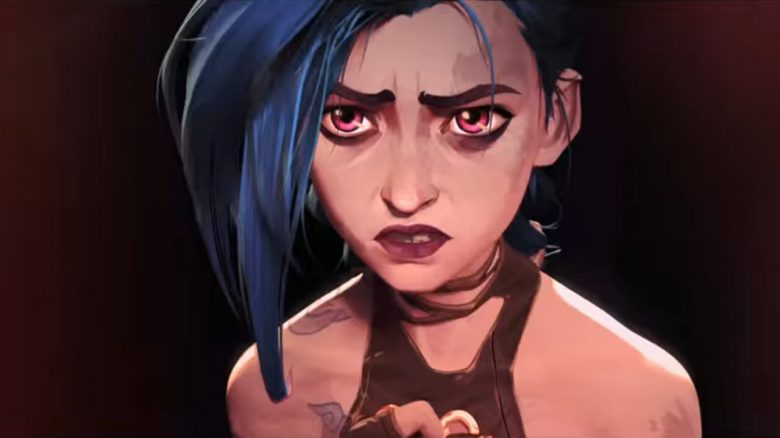
A first taste of the direction Riot would take, was received by fans a few months ago. A lavish clip garnered attention, showcasing the familiar champs known from the lanes suddenly as stars in their own film: What would a movie look like with the well-known champs as characters? Well, pretty stunning.
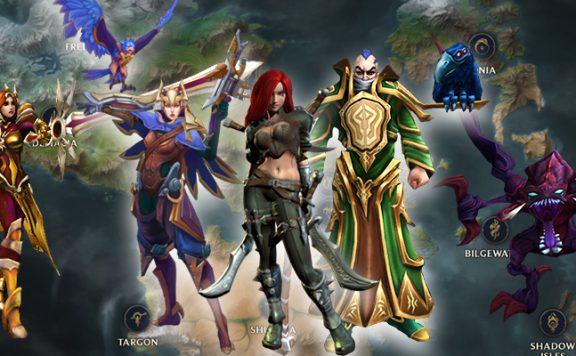
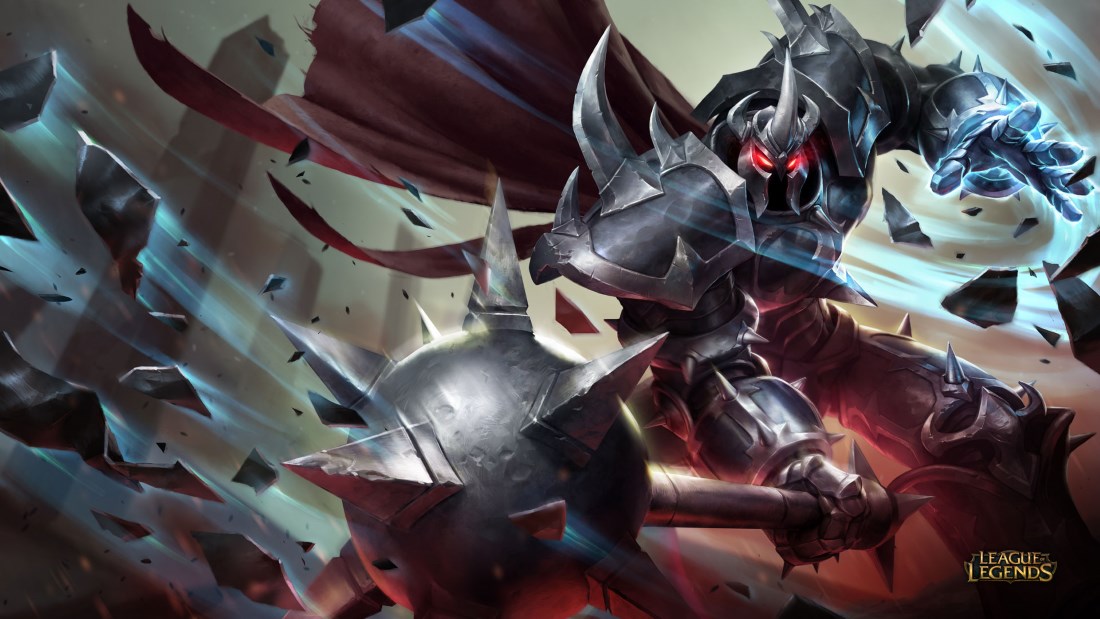
This new trend of making champions more than just “top laners with Q, W, E, and R” will be Riot’s new strategy to make the game even more popular. This is also reflected in the latest news: A reboot of the lore is on the horizon. Fans are being asked for more creative freedom in the design of the champions, to reboot their backstories and break free from overly tight constraints.
Celebrity Culture: Putting Players in Front of a Camera
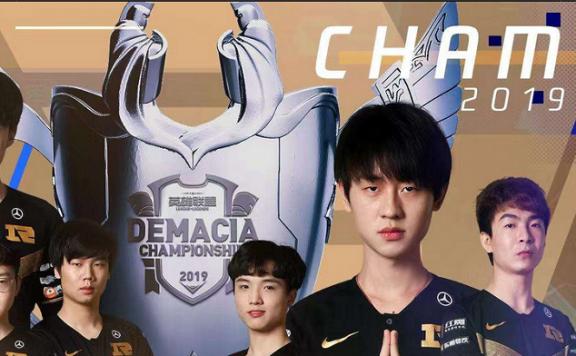
The second major idea Riot Games is pursuing is the celebrity culture around the top players. Whether Faker, Bjergsen, or HotshotGG – in League of Legends, top players should become stars, and the “normal” players become their fans who watch them on streams, seeing them standing next to a comparatively tiny host in an obscure behind-the-scenes view, or presenting themselves in short videos.
Some players visibly struggle with taking on such an unfamiliar role. The arguably strongest player at the moment, the Korean Faker, seems much more comfortable producing Gragas highlight plays on a conveyor belt than making a statement on camera about how he feels about being perhaps the most recognizable name in League of Legends. Meanwhile, other players feel quite at home in front of the camera.
Whether this strategy will eventually bear fruit in making the top players into “social media” stars is going to be an interesting question. It seems to be the most shaky of the new pillars at the moment.
Giving the Game Culture and Tradition
In football, it’s quite normal to reference the veterans of earlier times, fantastic matches, and historic moments from past tournaments. In League of Legends, this “earlier” was only three years ago, and the “former” veterans are now 24, yet they are spoken of as if they were approaching retirement age. No question, League of Legends is fast-paced. Unlike other sports, where it takes decades for changes to take place, no season in LoL resembles another. Maps are revised, the balance changes, new champs are constantly added to the game.
Nevertheless, Riot Games is now making an effort to bring the tradition of the game itself to the forefront. They aim to put the rapid growth (from 200 viewers at the World Championship in 2011, to the expected 45,000 in 2014) into perspective. To show that they are more than just a Tamagotchi or a Hula-Hoop, some trend that no one remembers after three years, but a new piece of lifestyle, a part of our world. And to achieve this, they are employing an ancient method: they relate the past, create connections, give facts dynamics, weave a narrative framework: they engage in the oldest profession of mankind. They tell a story.
They want to convey the stories behind successes and failures, tournaments and victories. In short: they are building a myth around the game itself that recalls American sports movies or documentaries. The myth is meant to give the happenings on the ever-growing screens in the ever-larger halls and before an ever-growing audience more depth and more dimensions.
It will be interesting to see if League of Legends succeeds with this three-part strategy in strengthening the game “outside of the game”. The actual recipe of the MOBA, as the values show, probably needs little alteration. Success vindicates Riot.