

Reason 2: Rough co-operation and competition
While in nature you encounter red deer, hares, wild boars, wild dogs, and wolves, the residents of the settlements follow their understandable daily routine – the day-night cycle gives direction. A craftsman, for instance, gets up, dresses, eats something, goes to work, stops by the tavern at closing time, and then stumbles home drunk.

The immersion is further strengthened by casual events like fights between NPCs or bandits jumping out of the bushes, who have made themselves comfortable near certain roads. It’s also great that the residents react to Heinrich, his reputation, appearance, and actions.
The story trailer for Kingdom Come Deliverance 2:
Those who help the residents, adhere to the law, and pay attention to their appearance (washing regularly works wonders!) can look forward to friendly greetings, accommodating answers (e.g., during quests), and discounts with traders.
On the other hand, if you repeatedly invade people’s privacy and constantly offend or even injure others, you risk fines, beatings, stocks, a regional ostracism, and denial of services. Hardly any other role-playing game offers such a consistent play style for living out your own Heinrich.
The down-to-earth texts and dialogues further support the credibility of the residents. A nobleman, however, speaks quite differently than a worker or a cleric. By the way, they all curse wonderfully, when the occasion arises. There’s even more linguistic diversity since you encounter Kumans, Italians, Germans, French, and more.
Reason 3: Us-Heinrich
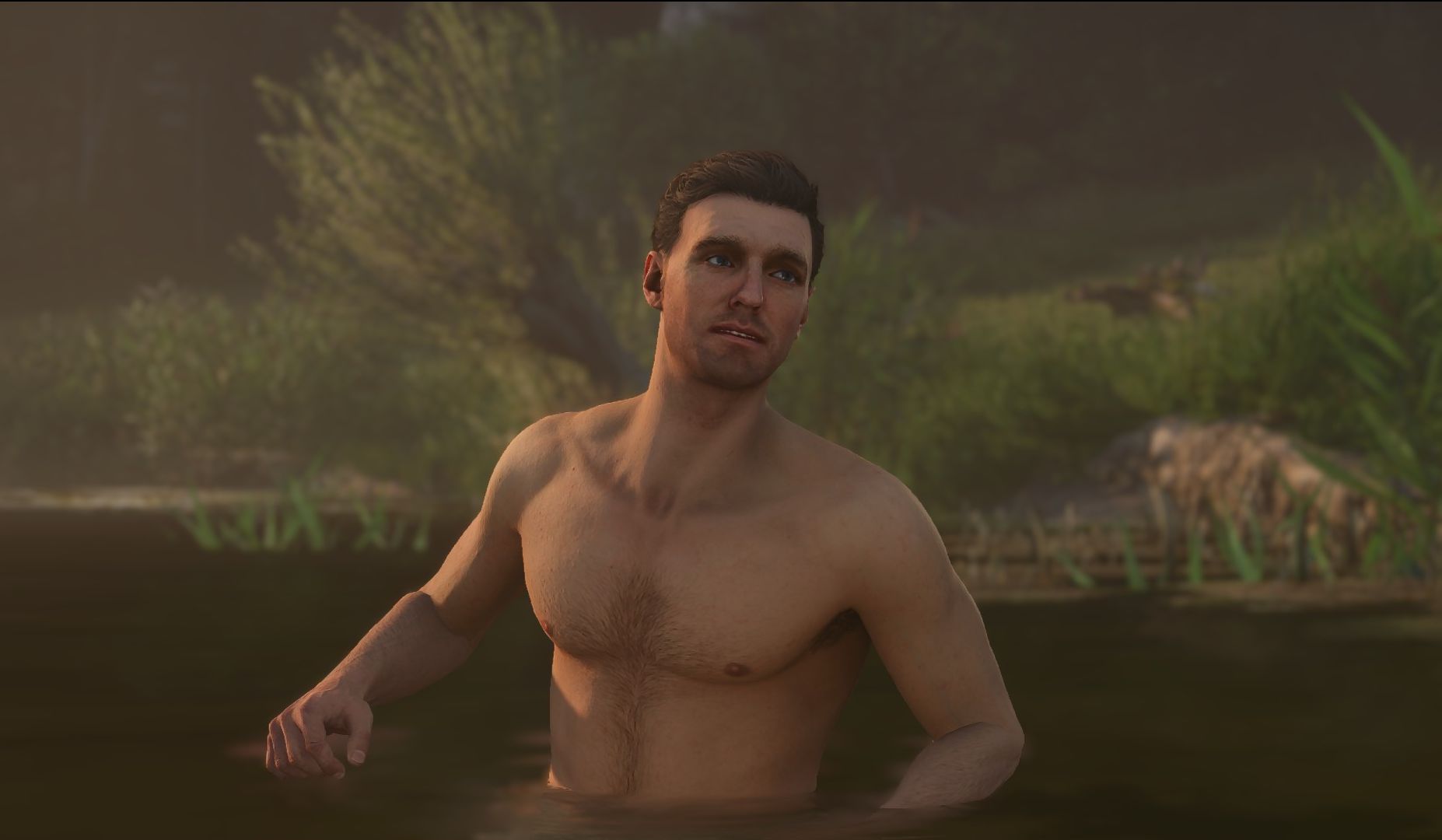
In Kingdom Come, you do not play a shining knight who was born a hero and comes with a certain expertise from the beginning. Instead, you slip into the shoes of Heinrich, the son of a blacksmith, who at the beginning of part 1 can neither read nor fight. He isn’t fit to be a thief either.
The fact that the down-to-earth boy from the village still experiences the end of the first Kingdom Come is only because Heinrich, as well as the players, follow the creed “practice makes perfect” and become a little better with every lesson. You literally earn your own success, which can be frustrating at times, but ultimately very satisfying.


Part 2 also finds a reasonable explanation – regarding the plot – for why Heinrich loses some of his skills at the beginning of the new adventure. But don’t worry: you don’t have to start from zero again. Heinrich can read from the beginning in part 2, for example. Moreover, the sensible changes in combat make it easier to gather initial successes.
On the next page, we continue with reasons 4 and 5.

Your opinion is important to us!
Do you like the article? Then let us know!