

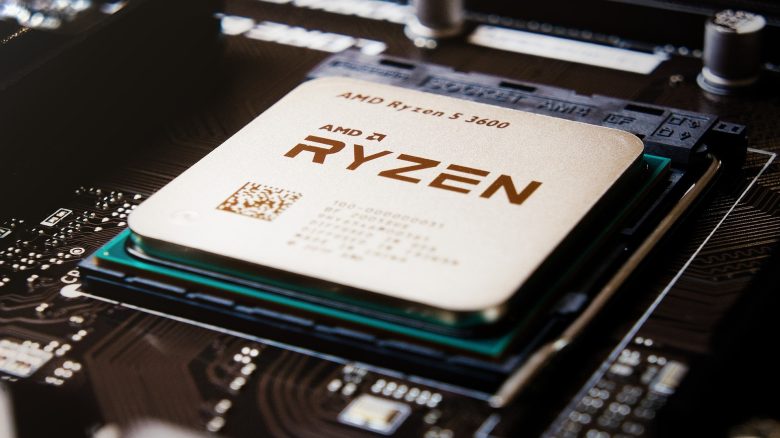
Intel is apparently losing more and more customers in China – while AMD is benefiting from it. The background includes geopolitical tensions, new trade policies, and China’s advancing independence efforts in the technology sector.
Why is Intel losing ground so significantly in China? According to a report by Wccftech, which cites Chinese media sources, Intel is currently experiencing a significant setback in the Chinese CPU market. Thousands of business customers are said to be turning away from the American chip giant. Instead, many are increasingly opting for products from competitor AMD.
The reasons for this are not only the more attractive prices at AMD but also the performance of the current processors and possibly influences from the Chinese government.
Political Influence
What role do political decisions play in this upheaval? The Chinese government has long pursued the goal of becoming more technologically independent from the USA. This approach is visible through specific measures. For example, Beijing has already prohibited state institutions from purchasing new PCs with Intel or AMD chips in 2024. Instead, local alternatives such as Loongson or Phytium are to be preferred in the future (via Financial Times, Paywall).
In addition, the Trump administration increased trade tariffs on Chinese imports in April 2025. China responded with countermeasures, including export restrictions on rare earths and high tariffs on American chips.
However, companies like AMD, which outsource their production to contract manufacturers like TSMC in Taiwan, are exempt from these tariffs. Intel, on the other hand, which has its own manufacturing facilities in the USA, is directly affected (via Reuters). It is therefore plausible that China classifies hardware according to its manufacturing location, regardless of the actual company headquarters.
What does this mean for the future of Intel and AMD in China? According to information from Chinese board channels that Wccftech cites, many customers are permanently withdrawing from Intel.
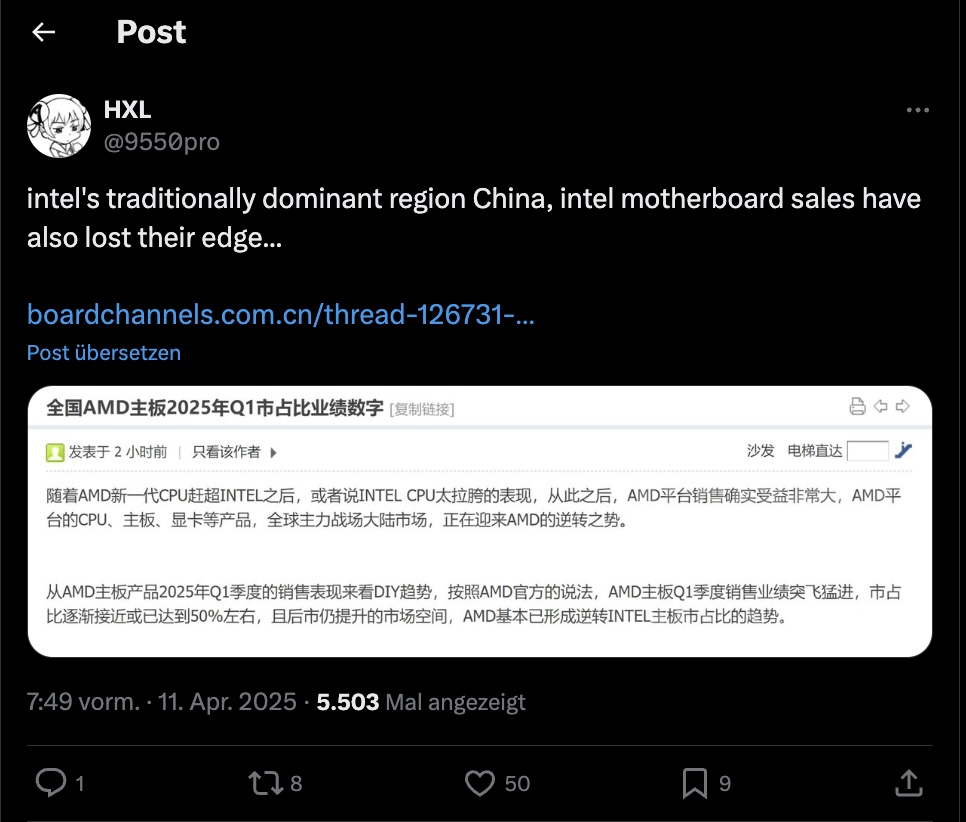
The cause is not only in the current market situation but also in a longer-term trend: Chinese partners and companies increasingly rely on AMD because they are convinced by the combination of performance, price, and availability – and Intel is currently unable to provide these factors to the same extent.
According to Wccftech, AMD achieved an approximate market share of 50% in the first quarter. These figures correspond with those from a state news portal (via CIIC). As a result, it is expected that this development will continue to accelerate – soon AMD’s processors could dominate the Chinese market.
Although both companies originate from the USA, differences in production strategies, geopolitical developments, and product offerings are causing AMD to gain ground in the Chinese market while Intel is losing market shares.


The situation in China illustrates how quickly the market can shift – especially when price, performance, and trust no longer align. While AMD is making strong gains in China and Intel is struggling, many private users are also faced with the question of what the best choice is. It is important to thoroughly research which dealers are trustworthy: User buys an expensive processor for little money, sends it in due to defects, receives bad news

Your opinion is important to us!
Do you like the article? Then let us know!