

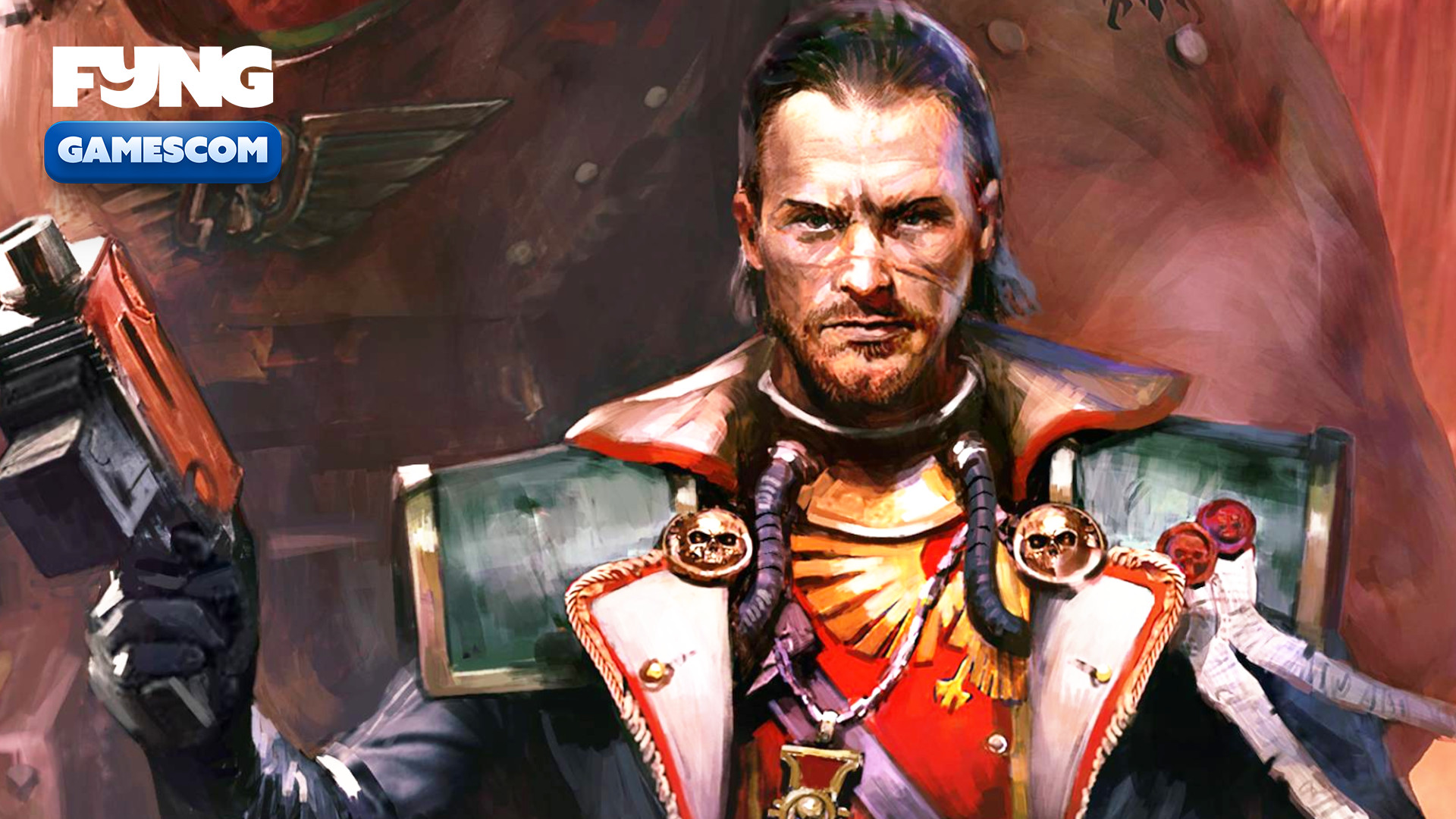
With Dark Heresy, the next role-playing game from the world of Warhammer 40,000 is coming soon. Developer Owlcat has already proven with Rogue Trader that they excel at merging the world and genre. The successor is expected to be even better. In an interview with Webedia during Find Your Next Game, Executive Producer Anatoly Shestov explained how Dark Heresy learns from past mistakes.

Rogue Trader is among the best Warhammer games that you can currently play. In classic cRPG style, you fight your way through turn-based battles against enemies, accompanied by various companions whose stories you can explore and with whom you can form relationships – all to experience a massive story in the end.
Developer studio Owlcat, known to many of you from the Pathfinder games, is currently developing Warhammer 40,000: Dark Heresy, the next Warhammer RPG.
While the gameplay remains the same, Dark Heresy aims to change or improve many aspects – for instance, if you seek a romance with a not-so-human cyborg.
Now we know even more new information about Dark Heresy. Executive Producer Anatoly Shestov gave Webedia, which includes MeinMMO, an exclusive interview about the new role-playing game and answered several questions.
No one expects the spa… Imperial Inquisition!
In the predecessor Rogue Trader, you played as a rogue trader, who wields substantial power through money and influence and can essentially buy firepower when needed. This makes these individuals quite dangerous.
In Dark Heresy, you now play as an acolyte of the Inquisition, and this institution is feared by most people in Warhammer for good reason. A mere suspicion is sufficient to warrant your extermination, and when a world-destroying Exterminatus is called for, the order usually originates from the Inquisition.
Even though you are not playing a genetically enhanced Space Marine, you are more powerful than most Astartes, for a single word is enough to seal a fate. And this, as Shestov explains, is meant quite literally.
“If you don’t want to read, then don’t read”
In line with the Inquisition theme, Dark Heresy features a “hint” system. Sentences in dialogues, items in your inventory, or simply the environment can provide you with clues to solve puzzles.
Specifically: Instead of just completing quests, you play detective. Each clue brings you closer to a result, but whether that result is correct is uncertain. However, if you are not in the mood for so much text, you don’t have to read:
This is a full-fledged game system within the game […] but we understand that not 100% of people play our games to read. Some play to feel powerful without reading. Thus, the system is not mandatory.
You always have the option to point a finger at someone you don’t like and say: “It’s your fault for… whatever.” And there will be reactions from the world based on your decisions, and they won’t be that you should just try again.
If you don’t want to read the hint things, don’t read them. If you don’t want to play detective, don’t. You can also play as an inquisitor who kicks down doors and fires pistols.
Anatoly Shestov
Dark Heresy improves the biggest weakness of Rogue Trader
One of the biggest criticisms of Rogue Trader was its convoluted class system – the very feature that I actually prefer over Baldur’s Gate 3. In brief: You have various archetypes that you level up, and each time you must choose from an endless list of bonuses. You can quickly lose track here.
Dark Heresy retains the archetype and background system, but now you select something akin to “small careers”. These come with embedded bonuses as a package, as Shestov explains:
- An archetype can be equipped with various specializations – for example, as a leader, you can not only buff but also become a DPS monster.
- Anti-armor specialists inherently possess abilities to deal with armored foes. Others serve the fight against single targets, groups, or the use of specific armor.
- All specializations come with a set of abilities from the start and others that you unlock over time.
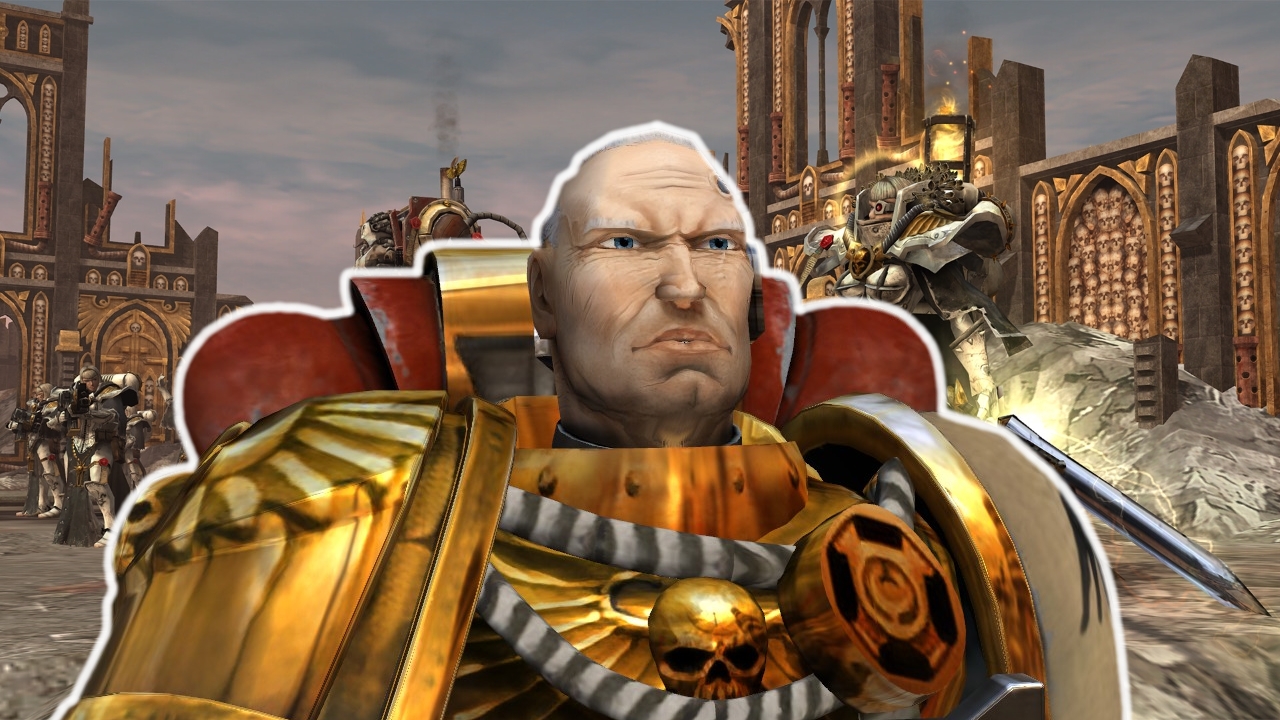


Additionally, there are improvements in combat itself. It will be possible to target body parts to weaken enemies (similar to VATS in Fallout). This applies to enemies as well. Cover becomes increasingly important, so that some sniper doesn’t shoot your melee character’s knee off in the first round and incapacitate them.
The somewhat confusing momentum system is also being removed and replaced with morale. Every character has morale individually in combat, which determines their effectiveness. When opponents run out of morale, they surrender, and you won’t have to chase that one last ranged enemy hiding in the corner of the combat area. Certain enemies, such as demons, can also literally drain your characters’ “will to fight.”
As an inquisitor, you are no longer a rogue trader; thus, you must pay with worldly coin again; profit margins no longer exist. However, factions remain, where you can earn reputation, but this time they are supposed to be a bit more complex – for example, through interactions with other factions.

Your opinion is important to us!
Do you like the article? Then let us know!