

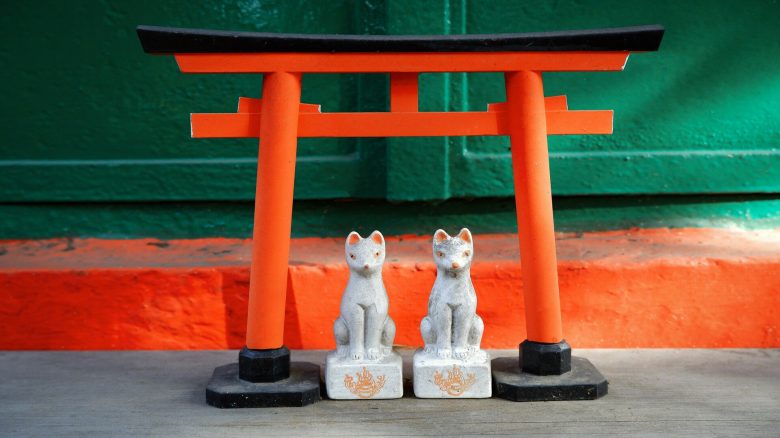
In Japan, a traditional Shintō childrenu2019s festival Shichi-Go-San has become a pet blessing ceremony. The reason lies less in the love for pets and more in the dramatic demographic crisis in the island nation.
What kind of ritual is it? Shichi-Go-San (u201cSeven-Five-Threeu201d) is a Japanese age and blessing festival for children: boys aged 3 and 5 years and girls aged 3 and 7 visit Shintō shrines with their families, wear traditional clothing, and pray for health and happiness. This custom is celebrated every year on November 15 and has been part of Shintō culture for centuries (via Japan Experience).
As the New York Times recently reported, some temple facilities have now opened the ceremony for animals as well. This offering is reported to be in high demand. The news agency Reuters even reported briefly in 2023 about the beginnings of this phenomenon.
Dogs and Children
Are there suddenly more dogs than children? In several regions of Japan, Shintō shrines are now registering more pets than children for the Shichi-Go-San festival. In a well-known shrine in Tokyo, around 350 animals – mostly dogs – came during the autumn season, while only about 50 children traditionally participated in the festival.
Many owners see their four-legged friends as u201cfamily membersu201d and want them to be blessed with luck and health (via X).
And what exactly is the reason for this? This somewhat unusual shift is closely linked to Japanu2019s declining birth rate. The population is aging significantly, and newborns are becoming increasingly rare – while the number of pets, especially dogs and cats, is rising, with many being regarded as emotional family members (Xataka).
The fertility rate in Japan was estimated to be around 1.2 children per woman in 2023. The fertility rate describes the average number of children a woman is expected to give birth to during her lifetime. For the years 2024 to 2050, only a slight upward fluctuation is expected in Japan (Statista).
The opening of shrines and ceremonies for pets also arises from the proportionality. Current figures show: In Japan, there are currently more pets in households than children
(soziopolis).
According to Max-Weber-Stiftung, this is due to the birth rate as well as regulations. Compared to Germany, the sale of animals is less regulated. In Japan, there are still difficulties in enforcing sales regulations and dealing with wild animals as pets. The illegal wildlife market in Japan is among the largest in the world.



The process of anthropomorphizing something non-human is referred to in social science as anthropomorphism and is particularly pronounced in Japan according to sociologists and Japanologists (soziopolis)
Even if the opening of the ceremony seems cute at first glance – it also shows how deep the demographic crisis in Japan goes. For those who have no dogs in real life as loyal companions, they exist at least digitally: Thanks to a trick, a dog from Zelda finally wins a race that was impossible to win after 25 years

Your opinion is important to us!
Do you like the article? Then let us know!