

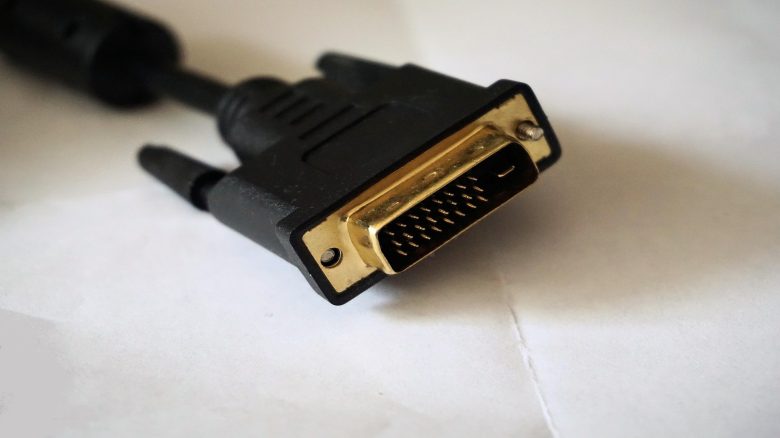
A data transfer system from 1972, originally intended for measuring instruments, now has a stable Linux driver – 53 years later. Why the old GPIB still plays a role today, although hardly anyone knows it.
What exactly has been updated? Currently, the software and hardware sectors are becoming increasingly restrictive, pushing users towards upgrades. Recently, for example, Microsoft has been trying hard to force all users to switch to Windows 11. In contrast, open-source offerings take a different approach and ensure connectivity at a new level.
The General Purpose Interface Bus (GPIB), also known as IEEE-488 or HP-IB, was developed in 1972 by Hewlett-Packard (now known under the brand HP).
It was originally designed to connect scientific measuring instruments like oscilloscopes or multimeters to computers of that time and ensure seamless data transfer (derStandard).
Over 50 years later, this connection has now received stable support in the Linux kernel 6.19.
Previously, the driver for GPIB was only available in the so-called “staging” area of the Linux kernel.
With the new update, the support is now considered mature and is fully integrated (via Tom’sHardware).
Why is this still important? In general, the use of the interface has significantly decreased over the past decades. However, current research institutions and measuring instruments still have devices that require this connectivity (derStandard). Thanks to the official support and the stable drivers, modern Linux systems can now reliably communicate with this old hardware.


The support and connectivity of various hardware not only bring specific application areas but also general advantages. This form of support prevents wasteful handling of hardware components. Because: Just a single image shows how much electronic waste the end of Windows 10 means for our environment

Your opinion is important to us!
Do you like the article? Then let us know!