

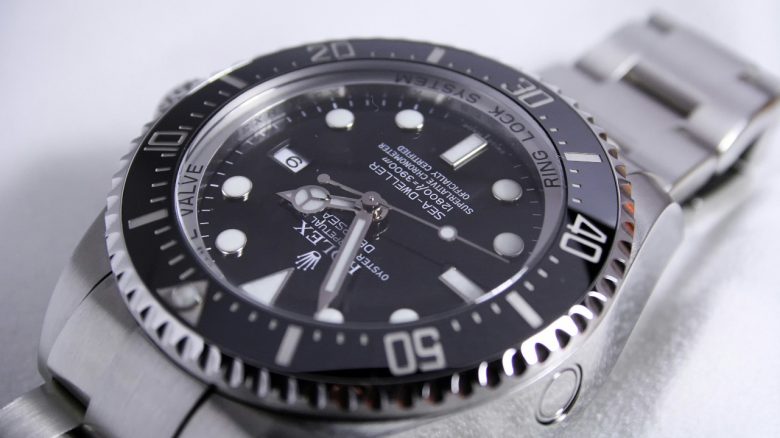
Generation Z has discovered expensive watches as a status symbol. However, new tariffs could make this expensive hobby unaffordable. Experts warn that the tariffs are likely to make luxury goods significantly more expensive.
Generation Z has discovered luxury watches as status symbols, as a new “social currency” that can be flaunted in public or on TikTok and Instagram.
A BCG survey found that 54% of Generation Z respondents have spent more on luxury watches since 2021, and Sotheby’s estimates that nearly a third of its watch sales in 2023 went to buyers under 30.
A report from Watchfinder & Co. examined the purchasing intentions of young people, surveying 2,400 individuals, although the methodology is unclear, making it not entirely reliable. However, there are other reports, such as from YouGov, that indicate similar trends showing interest in expensive watches. The Neovisio magazine also surveyed 1,000 young people, who stated that they consider owning a luxury watch to be very important, even if they do not own one.
- In 2023, according to the Watchfinder report, 41% of 16-to-26-year-olds in Generation Z acquired a luxury watch, perhaps as a birthday gift, a wedding present, or through a private purchase. The report defines a luxury watch as one that cost more than $1,300 at the time of purchase.
- Individuals in this age group willing to buy a luxury watch reported that $10,870 would be the starting point for their next purchase.
- Generation Z watch enthusiasts purchased an average of 2.4 new watches and 1.43 used watches in 2023, with more than half buying for themselves.
Daniel Yi, CMO of Bob’s Watches, a resale marketplace for watches, also confirms that this trend of purchasing an expensive watch is very real, pointing to a significant increase in interest from Generation Z customers in recent years. He explains to the magazine Kiplinger:
While earlier generations may have discovered watches through milestones or family traditions, Generation Z encounters this category through culture, fashion, and even social media. They are incredibly receptive to stories and value authenticity, which luxury watches – particularly vintage and used models – provide to a large extent.
Moreover, one should not underestimate the impact of the COVID-19 pandemic from 2021 to 2023. There was a significant hype around expensive watches as investment objects, as reported by Deutsche Welle.
Although the major hype with excessively high prices is reportedly over, dealers and manufacturers have told dasInvestment.com that the sales books are still full.
However, the new US tariffs under the Trump administration could quickly end this enthusiasm for watches.
Tariffs make luxury goods more expensive; are luxury watches now purchased elsewhere?
What exactly is the problem? In the last round of tariffs by President Donald Trump, a 39% tariff on Swiss watches was announced. This could make the expensive hobby of Generation Z significantly more expensive. The USA is considered an important destination for Swiss exports.
It is suspected that importers will pass the higher prices on to consumers. Experts estimate that prices could rise between 12 and 14%. Many young people have already stated that the price increases are too high and that there might not be a next luxury watch for the time being (via Fortune.com).
Nevertheless, while the enthusiasm for expensive watches may not completely wane, the tariffs could change how and especially where young people acquire their next luxury watch. Perhaps on the used market or on their next trip through Europe, to avoid the tariffs.



A 95-year-old dairy farmer living in England lost his Rolex to a greedy cow 50 years ago. The band of the Rolex was loose, and it must have fallen into the grass while he was working in the field. The family thought the piece of jewelry was lost forever. However, with the help of two experts, including a Twitch streamer, the man gets his beloved watch back: A farmer thought a cow had eaten his Rolex – 50 years later, he gets it back

Your opinion is important to us!
Do you like the article? Then let us know!