

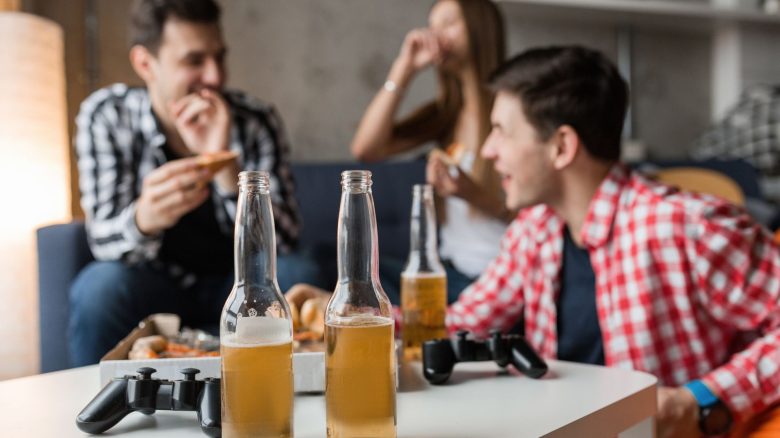
Drinking used to be taken for granted, but many young people today simply skip alcohol. Generation Z has different priorities and is currently changing how a generation celebrates.
Alcohol is no longer a given for many young people today, and the numbers reflect this. As reported by the US Institute for Alcohol Abuse and Alcoholism, alcohol consumption among teenagers and young adults has significantly decreased since the early 2000s. This is especially true for the so-called Gen Z, which includes people born between 1997 and 2012. For many of them, alcohol is no longer seen as cool, but rather as risky.
Furthermore, a survey conducted by the opinion research institute Gallup in 2023 confirms this: Only 62% of those under 35 in the US say they consume alcohol at all, compared to 72% two decades ago.
While Gen Z questions old habits like alcohol consumption, entirely new digital trends are emerging simultaneously. In this video, you can see how virtual models earn real money.
The Conscious Abstention from Alcohol
The self-image as a reason against alcohol: As reported by Time Magazine, many from Gen Z are not morally rejecting alcohol but are instead focused on self-protection, clarity, and control. For many, alcohol today has nothing to do with maturity or freedom, but rather with loss of control, uncertainty, and health risks.
The self-image has changed: Instead of gaining recognition through escalation, many prefer to focus on balance, mindfulness, and a stable inner life. Mental health plays a central role here. Those who struggle with pressure, anxiety, or overwhelm do not want to risk getting drunk as well. Many consciously abstain to avoid further emotional destabilization.
The occasion for alcohol is lacking: An analysis by the US Department of Health shows that young people today spend much less time with friends than before. In 2003, it was an average of 30 hours per month – by 2020, only 10.
Fewer social gatherings also mean fewer opportunities to drink at parties or clubs. In many cities, so-called “Sober Bars” are opening, places entirely without alcohol. The social pressure to drink is completely removed there, and people appreciate it.
Do alternatives distract from alcohol? Young people today are more likely to turn to other substances to unwind – foremost among them is cannabis. In the US, the drug is legal in many states and is significantly more socially accepted than just a few years ago.
According to the annual health survey conducted by the US Department of Health, about 36.5% of 18 to 25-year-olds reported consuming marijuana in the past year in 2023. The study is considered the most important national source for data on drug and alcohol use in the US.
Even though alcohol is still consumed by 68.1%, according to the study, cannabis is increasingly becoming an alternative.


While Gen Z is finding new ways to celebrate and consciously avoiding alcohol, the generation before them – the Millennials – is also significantly influencing social change. They are increasingly taking on leadership roles, focusing on mental health, flexible working models, and self-determination. Yet despite these positive developments, they face a unique challenge.

Your opinion is important to us!
Do you like the article? Then let us know!