
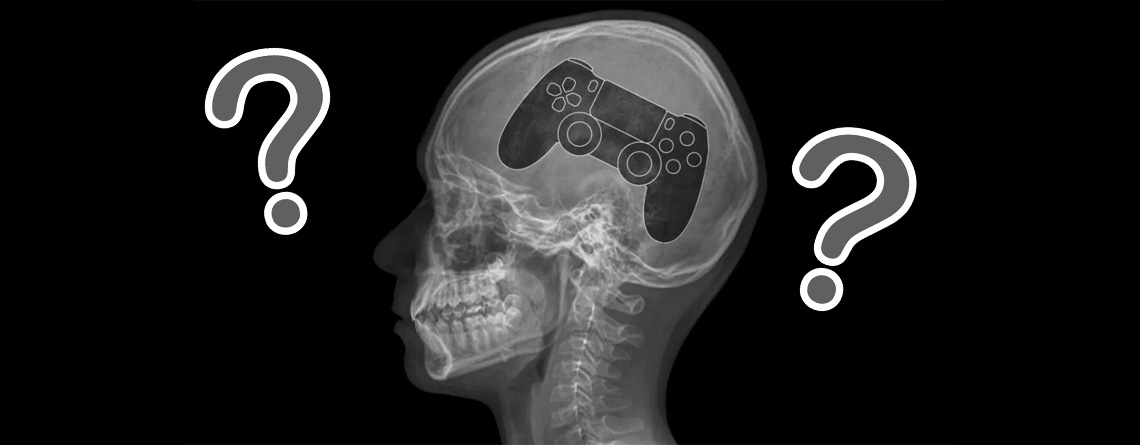
The World Health Organization, WHO, has officially classified “Gaming Disorder” as a mental health disorder. What consequences will it have for us in Germany that the addiction to video games is now a disease?
What has been decided? The World Health Organization will add “Gaming Disorder” to the list of officially recognized mental illnesses. According to the definition, it is a particular form of addiction triggered by video games.
This decision was made despite some criticism from psychologists and representatives of the gaming industry.
What does this decision mean for us? The World Health Organization is an agency of the United Nations, so its decisions generally apply to all UN member states.
Gaming Disorder will, according to the decision, be included in the list of diseases from January 1, 2022.
All member states must strive to find effective treatment options for the disease or take measures to prevent its occurrence.

Since Germany is also one of the UN member countries, our country will also have to face this task. It is difficult to predict what consequences it will have for German gamers. Generally, each government decides whether and what measures will be taken.
Germany is known in Europe for strict regulations regarding video games. The PEGI rating, which applies to European countries, is merely a recommendation. The German USK rating, on the other hand, punishes the sale of, for example, USK18 games to minors.
Gaming addiction defined similarly to gambling addiction
When is someone considered “sick”? To be diagnosed with gaming addiction, one must meet the following conditions:
- Loss of control over gaming behavior: duration, frequency, intensity, cessation, and more
- Shift in priorities towards gaming, making it more important than other activities or daily tasks
- Continuation or escalation of gaming despite its negative consequences. This behavior must be severe enough to cause significant impairments in personal and family areas, as well as in education and work
The behavior pattern must also occur for at least 12 months in order for the affected individual to be diagnosed with gaming disorder.
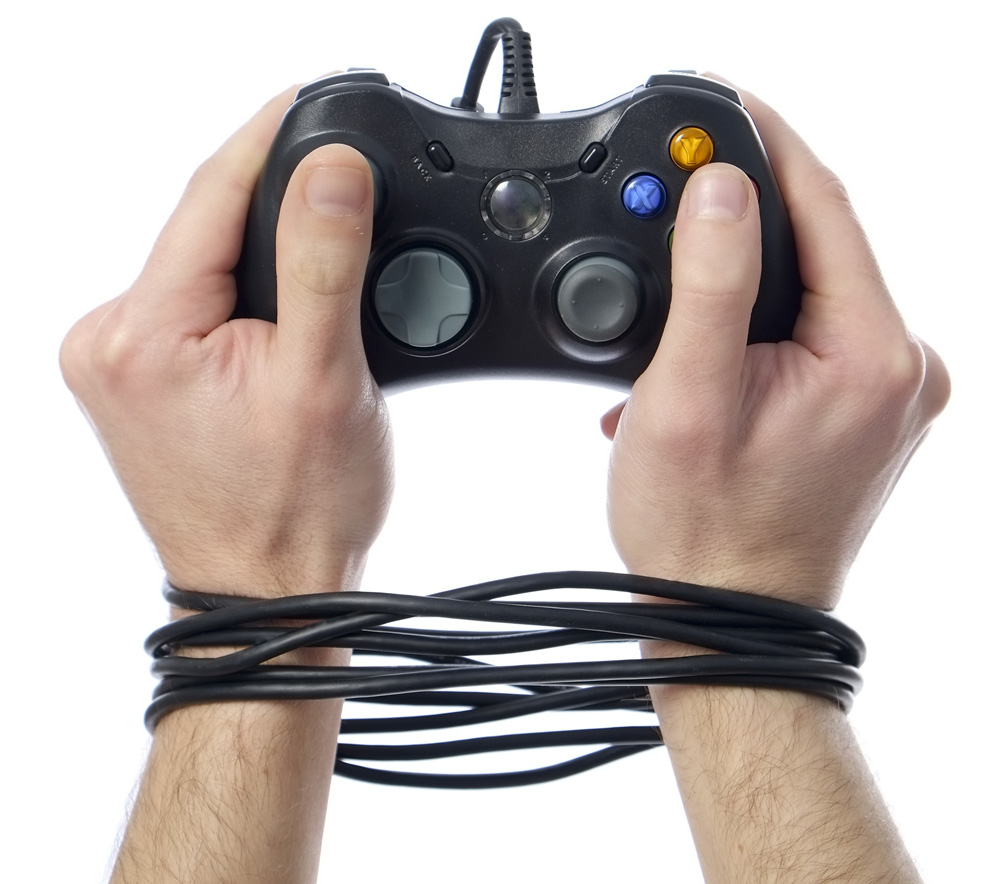
In the list of mental disorders, “Gaming Disorder” is listed directly after “Gambling Disorder” and adopts many of its formulations. Polygon has noted that in some places the wording has remained the same, with “Gambling” simply replaced by “Gaming.”
Are there counter-arguments? Several UN member countries and organizations from the gaming industry have opposed the classification of gaming disorders.
The Entertainment Software Association (ESA), which organizes E3 every year, issued a statement requesting the World Health Organization to reconsider its decision.
This is how the opponents argue: ESA representatives believe that further studies and investigations are needed to make a definitive decision regarding gaming disorders:
We believe that further discussions and investigations are necessary before the classification [of gaming disorders] can be finalized.
The billions of gamers around the world affected by this classification deserve measures based on careful research and investigation.
ESA Director, Stanley Pierre-Louis
The South Korean ministries of health and culture have also opposed the World Health Organization’s decision.
They argue that the gaming addiction of young people contains external psychological factors such as stress in school, social influences, and parental behavior. They refer to a study by Konkuk University.
One can therefore expect that this debate will continue.