

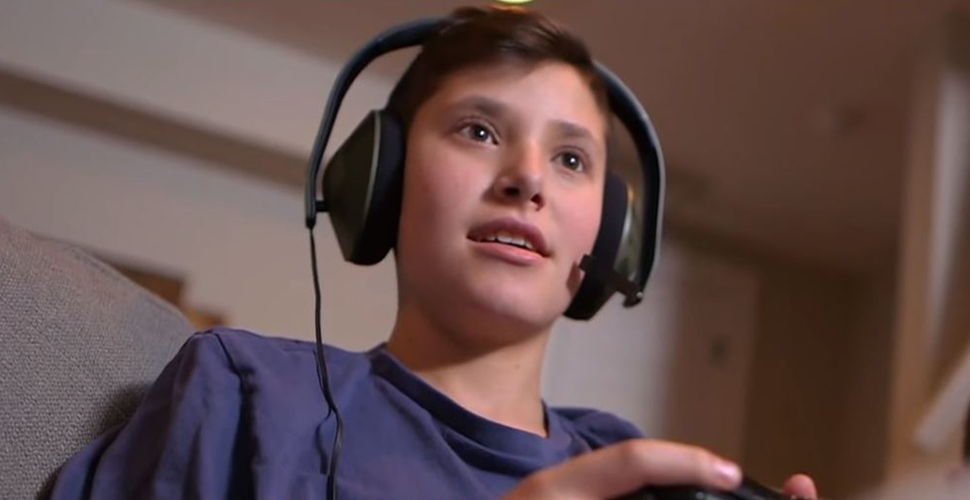
Fortnite is a phenomenon. The game is so big that even non-gamers are getting involved. For instance, the US morning talk show asks in the name of concerned parents: “How many hours can my child play Fortnite?”

Just like Pokemon GO in the summer of 2016, Fortnite has become so huge that it reaches people who are not into gaming. While in 2016 you couldn’t overlook how many people were running around with their smartphones hunting virtual monsters, in 2018 it is impossible to miss that Fortnite is being played everywhere.
Good Morning America discusses Fortnite
Fortnite: Battle Royale is free, playable on PS4, Xbox One, and PC, and has a low age rating of USK 12. Ideal conditions to become a mega-hit that transcends the boundaries of gaming.
Even the US morning show, “Good Morning, America” has addressed Fortnite.
They let experts and specialists speak who are addressing the concerns of parents “My child plays way too much Fortnite.” Children are disappearing into their rooms and playing the game for hours on end. When they are called for dinner, it’s always: “Just 10 more minutes, Mom,” while the food is getting cold. But the little rascals would rather starve than miss even a minute of Fortnite.
The parents seem mainly worried about appearing as “the bad guys” if they impose a ban, but they are also concerned that homework might fall by the wayside.
Here comes a difficulty: Parents do not want to ban technical devices from their children anymore because they then say: “I need this for my homework.”
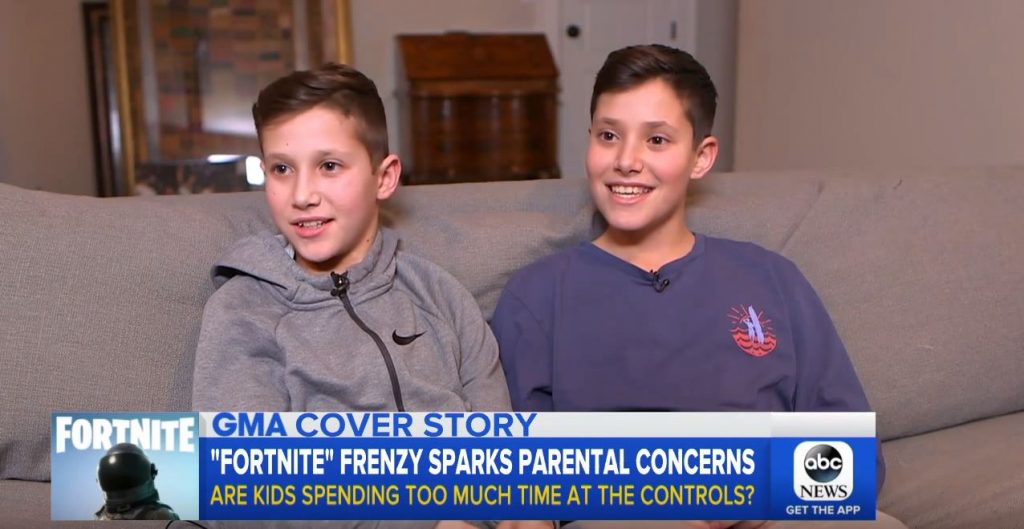
Experts praise the social aspect of Fortnite, but call for moderation
The experts explain that Fortnite has several advantages compared to earlier games:
- It is interactive and communicative.
- Games are no longer “solo affairs” but group activities.
- Especially children who are not involved in sports teams can find an environment here.
The interviewed experts took a relatively friendly approach to Fortnite. The game should be enjoyed in moderation. Time recommendations for how many hours of gaming are acceptable could only be given by psychologist Dr. Jonathan Fader to a limited extent.
For children aged two to five, he recommends: “Less than one hour.”
For teenagers, it is about the context: “How does playing affect their daily life? Does it prevent them from doing homework? Does it keep them from participating in other social activities?”

The psychologist says: “I solve this by playing with my children.”
One should not forbid children to play, but rather show them alternatives to what they could do instead.
More on the topic:
We asked Google: Why is Fortnite: Battle Royale a hit?

Your opinion is important to us!
Do you like the article? Then let us know!