
In China, the Communist Party tightens its grip on gaming just before Christmas: The two largest gaming publishers in China, Tencent (LoL) and NetEase (the former partner of Blizzard) suffered such significant losses on the stock market that at one point, 80 billion US dollars in market value were wiped out.
This is the Party’s decision: On December 22, Chinese authorities announced new rules aimed at reducing spending on video games (via dotesports):
- Online games are now prohibited from rewarding players for logging in daily.
- Furthermore, games are banned from rewarding players who spend money in a game for the first time.
- And there will no longer be rewards for players who log in on consecutive days.
All of these are typical reward mechanics in online games intended to encourage players to spend money in a game’s cash shop and to visit the game or shop daily. This is especially common with Free2Play titles and mobile games, which are particularly prevalent in China.
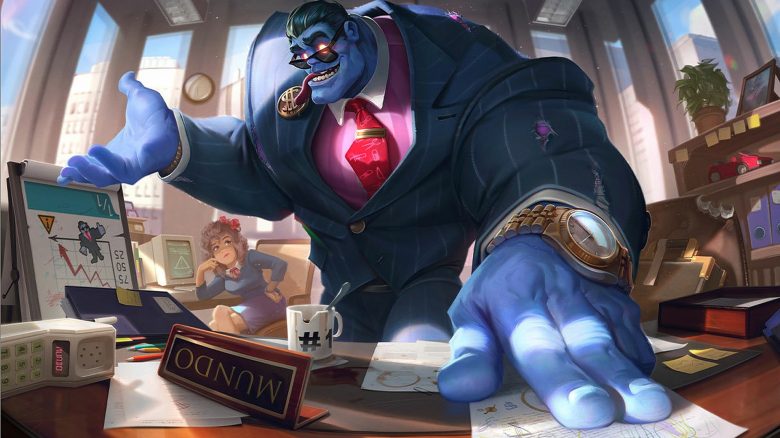
League of Legends is a gaming giant, backed by Tencent Games behind the MOBA:
The Penguin is Losing Feathers
This was the reaction: On Friday, the international gaming giant Tencent (mascot: Penguin) lost 9.84% on the stock market – they now have a market value of 379 billion US dollars. At their lowest point, they lost 16%.
NetEase lost 16.07% on the stock market, and at their lowest point it was 25%. Their market value has fallen to 54.8 billion $.
At the lowest point of the losses, a total of 80 billion US dollars in market value had vanished, and this was just for the two tech giants that have strong connections to the West:
- Tencent is involved in a number of Western companies: They own Riot Games, which distributes League of Legends – and they have their Penguin fins in many other firms.
- NetEase is best known in the West as the former partner of Blizzard: They played a leading role in Diablo Immortal.


Video Games as Digital Opium
Why are the companies falling so sharply? It is not so much the current restrictions that are causing the steep drop in stock prices, but rather the fear that more negative news could come that would scare the market, reports the news agency Reuters, citing an expert from Hong Kong.
The renewed strict regulation now raises fears among investors.
China and the Communist Party have often taken a hard line against video games, fearing that excessive gaming could jeopardize the eyesight of the country’s youth. At that time, video games were even referred to as “digital opium” – in the history of China, this is about the worst image that could be given to video games. At the same time, video games are a booming business in China, and Tencent is a global showcase company. It is likely difficult for the Chinese Party to find the right balance here.
In any case, Tencent is confident that it will continue to operate well under the new conditions. The company states that it has already taken some measures to protect especially young people.
Here is our article on the harsh regulations at that time:
China wants to restrict gaming – Censorship or child welfare?

Your opinion is important to us!
Do you like the article? Then let us know!