Microsoft has announced changes to the legendary Blue Screen of Death. The company shows how the error screen in Windows 11 will look in the future. A step that aims to redefine both the user experience and the aesthetics of Windows.
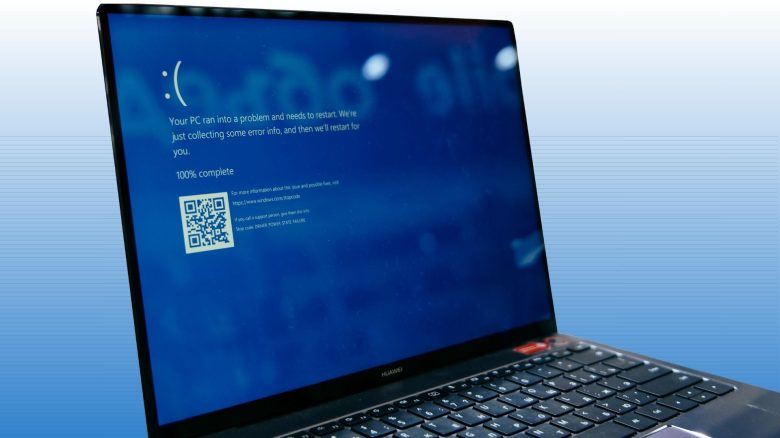
On March 28, 2025, Microsoft announced a significant redesign of the Blue Screen of Death (BSOD) in Windows 11 on their blog. This change is intended to modernize the design of the error message and simplify the user experience. Microsoft’s goal is to increase user productivity and get them back to work faster.
While some designs change, there are always symbols whose meanings are hardly known. Here you can see what the N symbol on your phone means.
From Blue to Black: The New Blue Screen of Death
What will change with the BSOD? The most noticeable change concerns the color of the BSOD. In the Insider preview builds, Microsoft uses a green error screen (GSOD) for testing purposes. However, this does not mean that the final version will remain green. Current announcements and leaks suggest that the BSOD in the final Windows 11 version will be black instead of blue.
Microsoft has also removed elements like the smiley and the QR code that were included in earlier versions of the BSOD. The new version will only display the stop code and the faulty process, reducing the error message to its essentials. These changes currently only apply to the Windows Insider Preview version and are not yet part of the final Windows 11 version.
This is the reason for the change: Microsoft explains that simplifying the design to match Windows 11 should help users orient themselves more quickly after a system crash and become productive again. The changes aim to minimize unnecessary information so that users can quickly understand the error and get back to their work faster. The design has also been adjusted to better align with the minimalist approach of Windows 11.
Simplifying the error message is intended to make it easier for users to recognize the error code and take immediate action. However, it remains to be seen whether these changes will actually improve the user experience in the long term.


Windows 95: A Nostalgic Comeback
While Microsoft is ushering in a new era with Windows 11, the old Windows 95 is making a small comeback. CrystalMark Retro, a benchmarking software, has received an update that now also supports older Windows versions such as Windows 95, Windows 98, and Windows NT. This now makes it possible to measure the performance of old machines and compare them with modern systems. The software evaluates various aspects, including CPU performance, graphics, and disk speed, which is particularly interesting for tech enthusiasts.
Although Microsoft is focusing on Windows 11, the community ensures that older operating systems like Windows 95 are not forgotten. This shows how strong nostalgia plays a role with old systems. Some even remember an old key that allowed them to use Windows XP for free.