

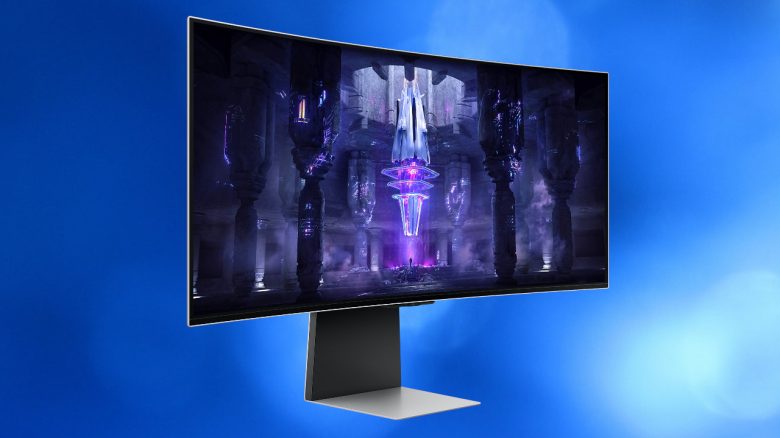
Experts have subjected OLED TVs to a long-term test. All devices have the same issues after 2 years, namely Burn-In. The damage varies in severity, but all are affected.
Who conducted the tests? The online magazine Rtings.com is well-known in the field of TVs and monitors. In extensive tests, experts regularly review hundreds of different models, and have been doing so for many years.
In a new stress test, Rtings subjected about 100 OLED TVs and a handful of monitors to a two-year stress test. The 2 years of continuous use are supposed to correspond to 10 years of normal use. And the test shows that all OLED models have the same problem: Burn-In.
All OLED TVs show “Burn-In” damage after long-term test
What exactly was done? All devices had to display the news feed from CNN at maximum brightness 24/7. This was to check how severely OLED displays are affected by Burn-In and other failure phenomena.
After over two years of continuous operation, all tested OLED monitors showed visible “Burn-In” damage, especially in areas of the image with permanent static elements like the bottom news ticker from CNN.
Good news: The tested OLED monitors continue to maintain brightness levels, unlike many tested regular TVs that lost brightness after prolonged use.
Additionally, the testers explain that the longevity of the TVs depends on various factors. Those who regularly watch static content like news broadcasts promote Burn-In. A varied use and automatic “pixel-refresh cycles” from manufacturers help reduce Burn-In and other problems, but do not completely prevent them. The Switch OLED also offers a function that aims to prevent Burn-In.
What stands out particularly? Particularly affected are so-called edge-lit TVs. This technology is primarily used in very inexpensive OLED and LCD devices because fewer LEDs are needed in comparison. These inexpensive models tended to experience total failures earlier and more frequently.
Tested OLED monitors still function, but also show damage
The experts from Rtings.com tested, in addition to TVs, three gaming monitors:
- the LG 27GR95QE-B
- the Alienware AW3423DWF
- and the Samsung Odyssey OLED G8.
All three have a WQHD resolution (1440p) and a refresh rate of 165 Hz or more.
In contrast to the TVs, where increasing failure rates have been observed in recent months, all three monitors are said to still function, although burn-in is now said to be clearly visible. In particular, the model from Samsung is said to be particularly affected.



More tips on monitors: Are you looking to get a new gaming monitor or want to inform yourself thoroughly about your options? Then pay attention to the following features when buying a monitor: The 8 most important features you should definitely pay attention to when buying a gaming monitor

Your opinion is important to us!
Do you like the article? Then let us know!