

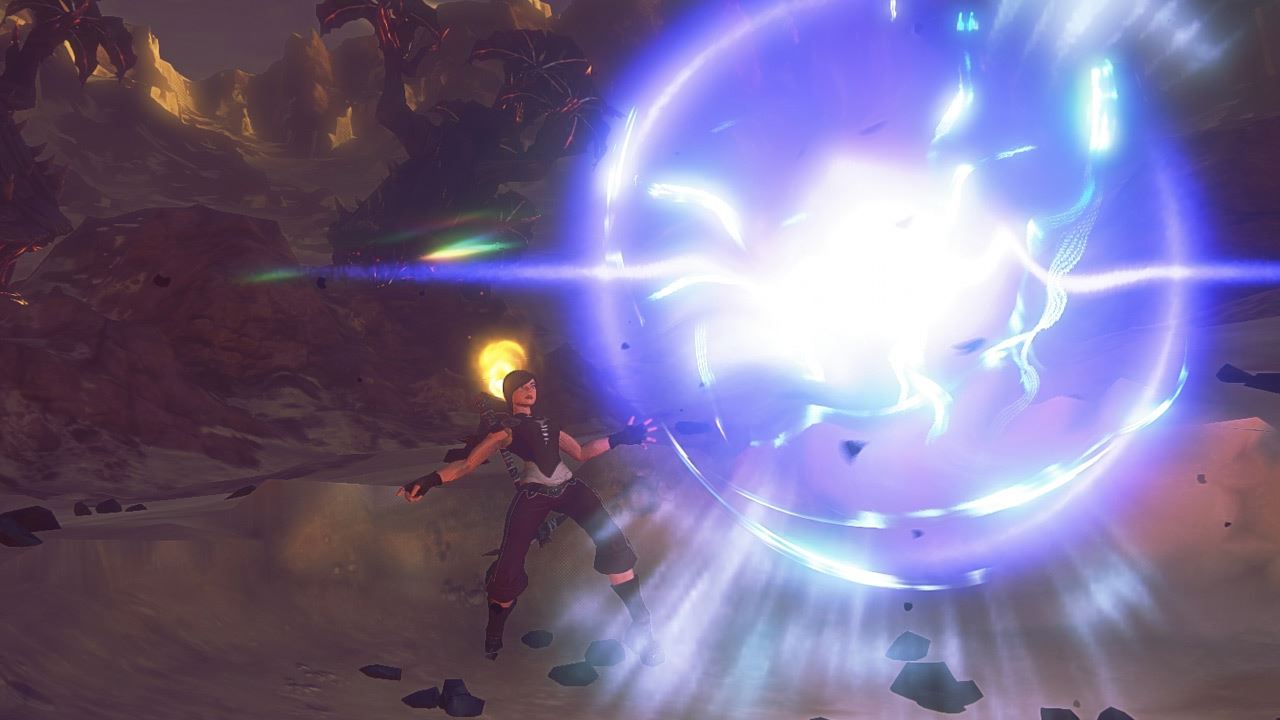
The MMORPG Everquest Next is supposed to be created not only by the developers of SOE but also by the players.
It seems to be the trend of the hour in MMOs. Although MMOs are late to the game. Because it is actually the hallmark of Internet 2.0, in which we have all been living for 10 years or longer: “User-generated Content.”
Everyone is an artist; anyone can upload a video, paint a picture, write a text, and then others, the neighbors, friends and colleagues, strangers, enemies, and competitors, mom, dad, and the attractive dream girl can see it, talk about it, share it, like it, ignore it, or criticize it. And maybe even buy it.
The line between consumer and producer is blurring.
Everyone can upload a Youtube video; why shouldn’t that also work with an MMO adventure?
The provider, the industry, is leaning back. They have created the environment, set the parameters, and now watch how the surroundings develop. This can be quite exciting. While any consumer can be creative, not everyone wants to be, and of those who do, not everyone has the talent.

The more popular ones stand out, the less popular ones fade back and disappear. The provider only creates the environment, sets the parameters in which the users move, and no longer intervenes in the process.
This is known as user-generated content. This is, for example, the principle behind Youtube.
And isn’t it, from a gaming studio’s perspective, a fantastic idea for an MMO as well? You give the players the tools to invent their own stories and adventures, sell these to other players, and after creating the tools, you do not have to contribute anything to this game content anymore?
The delicate seedling of sandbox
In classic “theme park” MMOs, that would be unthinkable. A player cannot create anything in World of Warcraft that others could enjoy. Sure, with their own corpse and those of their friends, they can leave a mysterious message, but that’s about it.
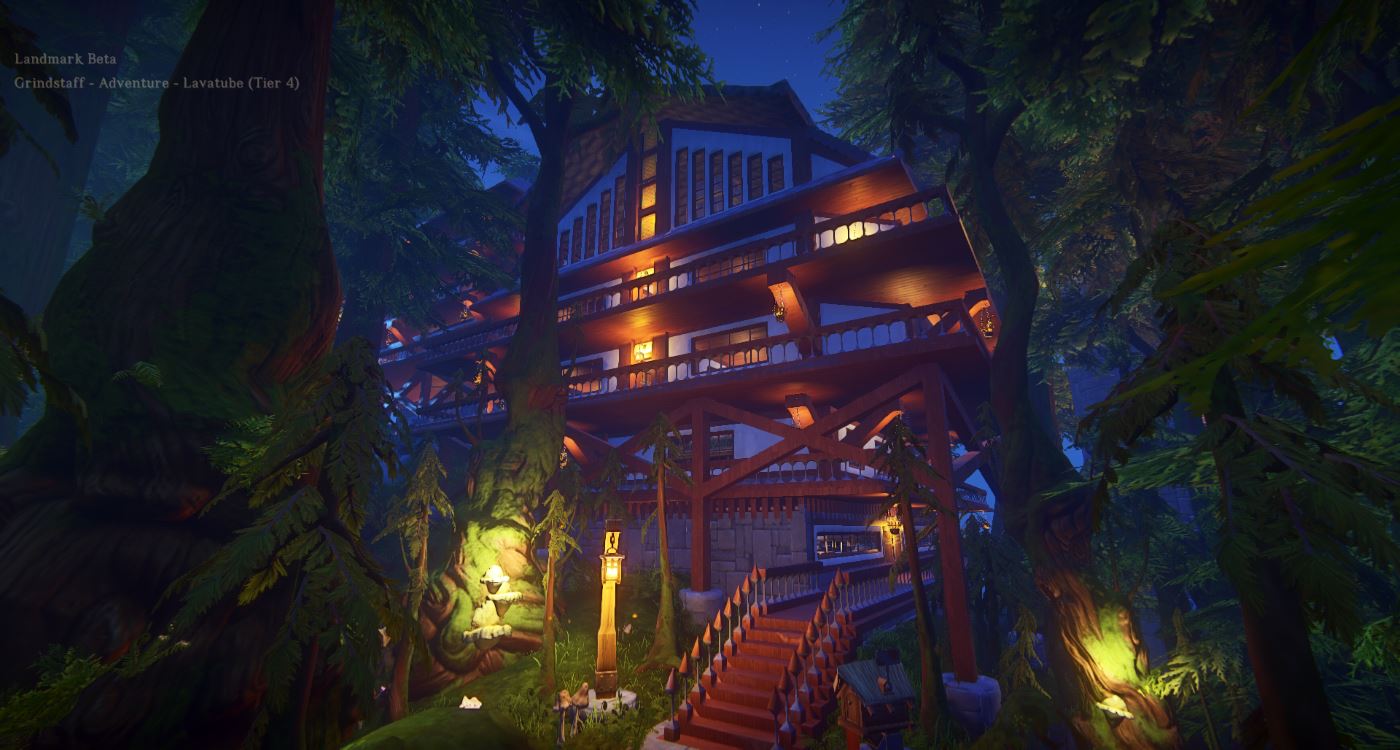
In modern games like WildStar, there are at least attempts: Come by and see how I have set up my house. I have selected from a thousand items and built my own villa. For this, I have combined all the options I had in a unique way.
Niche games like Star Trek Online or Neverwinter even allow players to design their own missions, often with only relatively crude, primitive tools and within narrow confines. The idea has not really taken off in MMOs yet.
SOE is already profiting from the idea in another context

At the forefront of this development is Sony Online Entertainment, SOE, who have been at it for quite a while. In Planetside 2, players can design their own cosmetic items and skins. These designs go into a player shop and other players can buy them for real money.
SOE takes a cut and gives the creators 40%. The system has proven to be lucrative and gave SOE Studio a breakthrough idea: Apparently, players know best what other players want. Why not take advantage of that talent?
Everquest Next is to be collaboratively designed by players and developers
With Everquest Next, they are taking a step further and allowing players not only to design cosmetic items for the shop but parts of the world as well. Currently, not just parts of the Everquest Next world but also from other scenarios that could work in this engine: It doesn’t always have to be fantasy; with the tools, a space opera would also be possible.
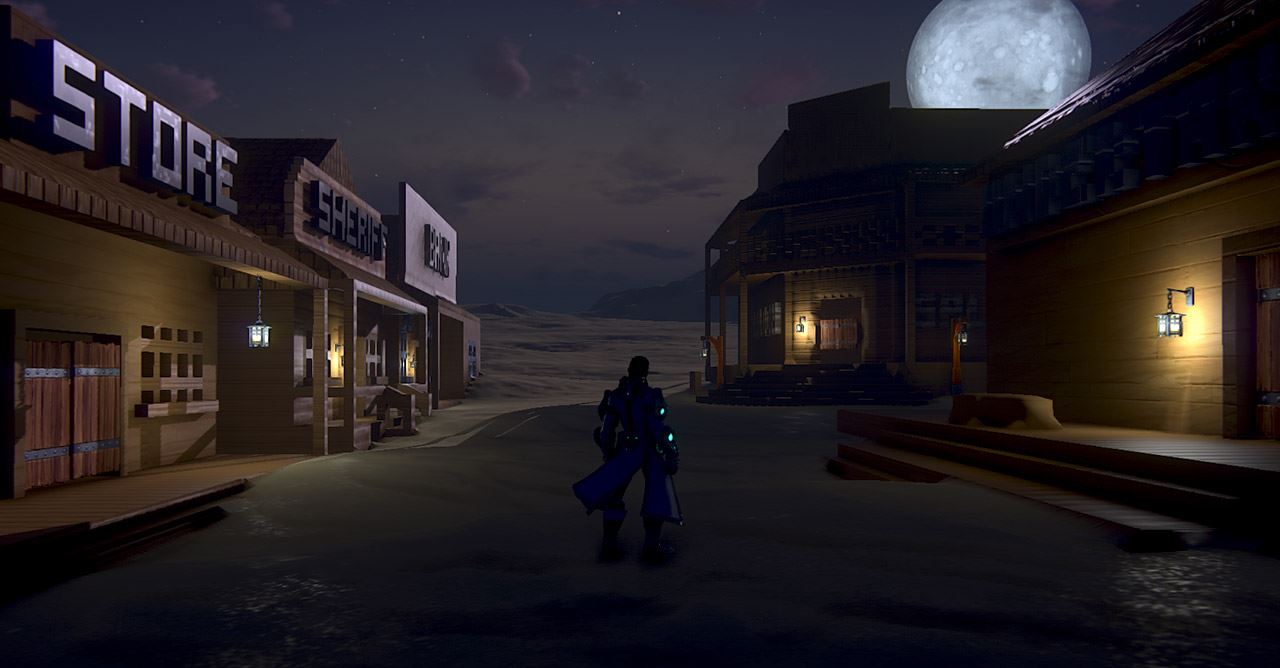
In an interview with VentureBeat , Dave Georgeson, one of the minds behind Everquest Next, explains the idea. It began, long before thinking of Landmark, with the fact that they relied on voxels in EQNext, so the world would be changeable and destructible. With this idea, they wanted to usher in a new era of MMOs.
Then someone threw out the idea: “Wouldn’t it be great if we gave the players the tools two months before the release of Everquest Next, with which we are also creating the game?” Then they could already build their own guild halls in advance, before EQN appears.
The motto of Everquest Next: Everything we can do; the players should be able to do as well
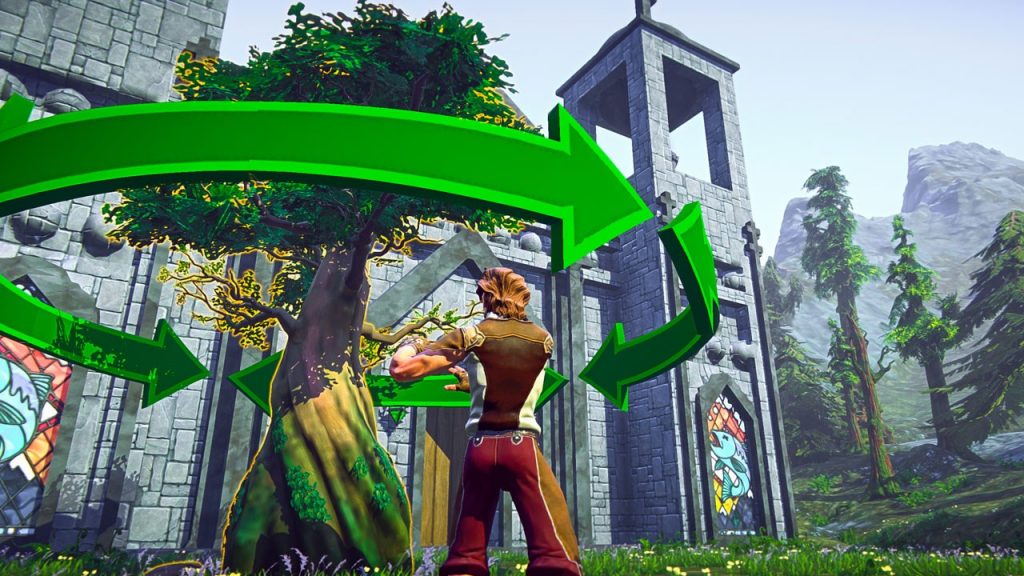
Quickly, this developed further: Why wait so long? Now they wanted to give all Everquest Next players almost simultaneously the same tools they would use to create the world. SOE believes, according to Gregson, that it is better for a game to be developed by developers and players rather than just the studio alone. They even made it their motto: “Everything we can do; the players should also be able to do.”
From this point on, “Landmark” took shape, the sister project of Everquest Next, in which players would receive the same tools as the developers.
Landmark: Still soulless in the sandbox
At the moment, in the closed beta of Landmark, there are still some tools missing for players to breathe life into the world. So far, players have primarily built in Landmark with voxels. And they dug with their shovel voxel away. Currently, it seems as if players were just creating sites without the stories and people that would give them life. But that is supposed to change soon when players also receive the “Gamemaster Tools.”
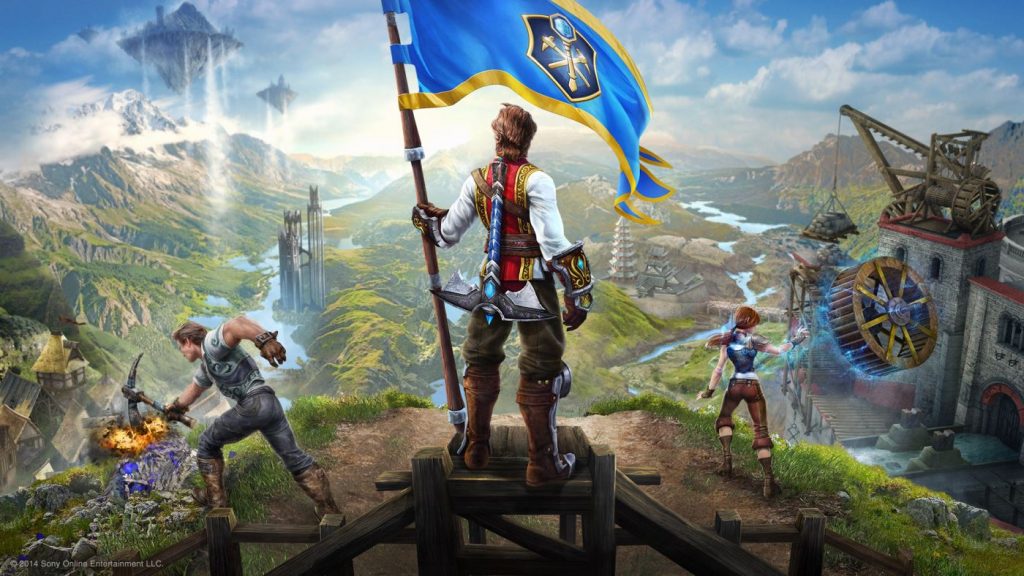
When that happens, we will slowly see if the future of MMOs really lies in user-generated content. At the moment, these are ambitious theories that need to be put to the test in practice.
An interesting side aspect crystallizes from this trend also in offline games: This kind of “user-generated” content is increasingly serving as a recruitment tool for software studios. Why shouldn’t a person, who can create better stories, more fantastic buildings, and more exciting adventures than the developers themselves with the developers’ tools, be hired? Some talented modders or level designers are now on the payroll of companies.
Perhaps some developer is currently working to make himself unemployed, or at least drawing in talented competition.
[intense_blockquote color=”#f0f0f0″]
 Further articles on the topic:
Is the future of MMORPGs in the sandbox?Everquest Landmark Developer: Sandbox is the future!
Everquest Next/Planetside 2: A Side Job as a Gamer?[/intense_blockquote]

Your opinion is important to us!
Do you like the article? Then let us know!