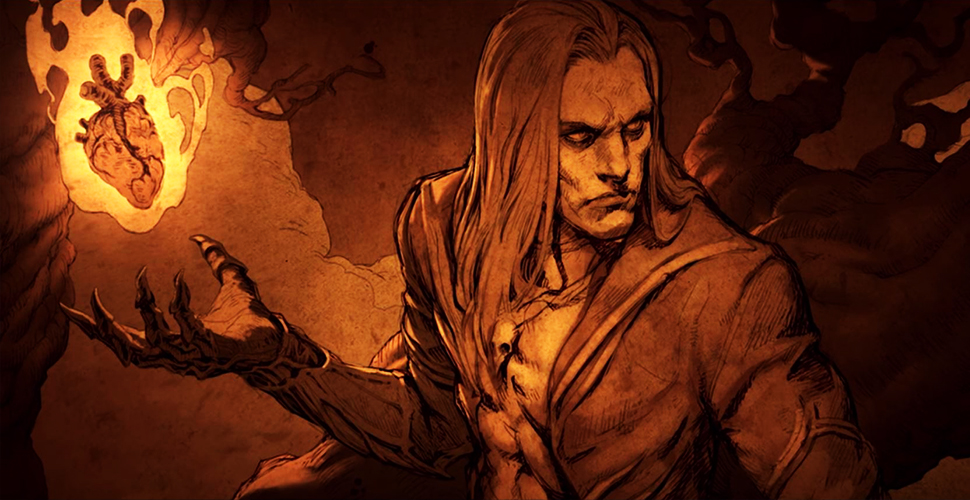
The price of €15 for the Necromancer in Diablo 3 shows the problem with DLCs: They are simply always too expensive. The ratios don’t match. We will show you what lies behind this and why this topic will still concern us for years to come.
Players are rarely as upset about anything as they are about DLCs and their exorbitant prices. The discussion flares up time and again. The ugly word “rip-off” is making the rounds. We will examine the problem using Diablo 3 and the Necromancer as an example.
Players cry: Rip-off
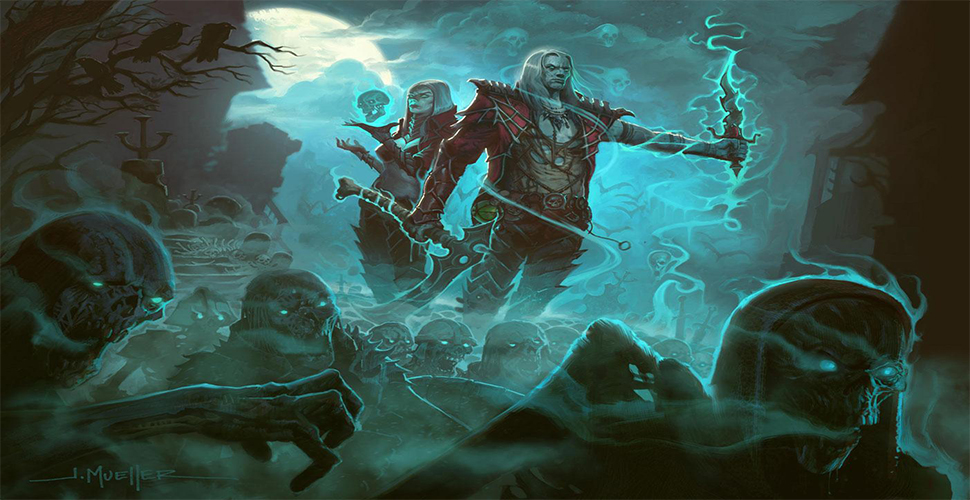
“Too expensive DLCs!” – This is currently Blizzard’s complaint regarding the Necromancer for Diablo 3. With “Rise of the Necromancer,” there is basically only a new class for the hack’n slash Diablo 3 and some insignificant fluff.
For this, Blizzard wants €14.99.
Players are making the following calculation:
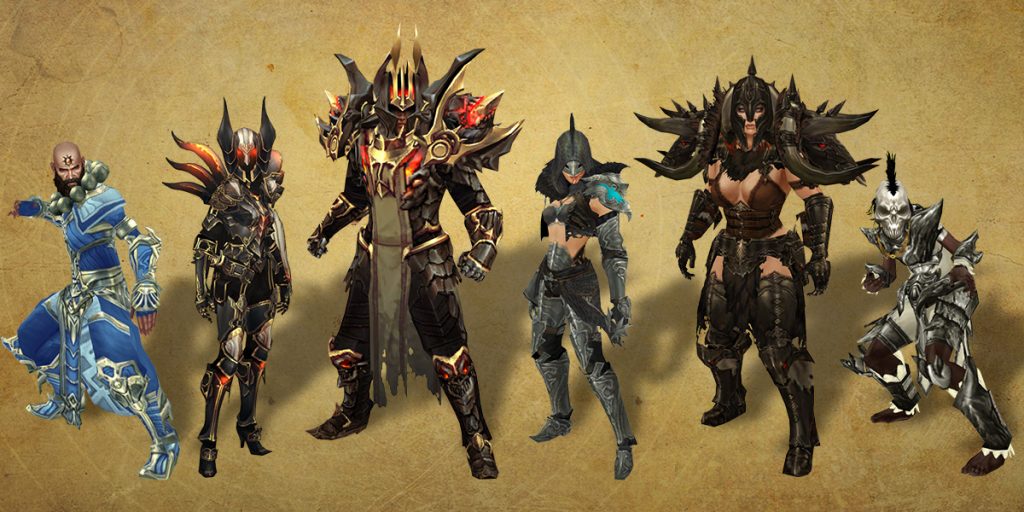
- The base game Diablo 3 offered five classes, four acts, and the entire game with all its features. That cost €60 back then.
- The expansion Reaper of Souls brought a new class, a new act, and additional features. It cost €40. Already too expensive.
- And now just a new class with no new features for €15? That just doesn’t add up. That’s a rip-off.
Neither the size nor the price of DLCs are established
In the gaming world, the prices for main games and expansions are actually well established – not so much for DLCs:
- A main game costs €60.
- A full-fledged expansion is around €40.
- For DLCs, €15 has gradually become the guideline price. If it’s smaller, maybe €10, if it’s bigger, maybe €20.
Blizzard only aligns itself with the “usual prices” for DLCs. All fine, one might think. But no.
Because the first problem is: Players have a rough idea of the scope of an expansion or a main game. However, there is no established scope for a DLC.
No one really knows what a DLC must offer to justify a price of €15. Sometimes that’s just a new map, sometimes a story with several hours of fun, at times a great new chapter that keeps players busy for days, and sometimes it’s hardly anything.
No standards for DLCs have been established. That’s why players negotiate anew every time: Is this DLC worth my money?
This kind of discussion happens much less frequently with expansions.
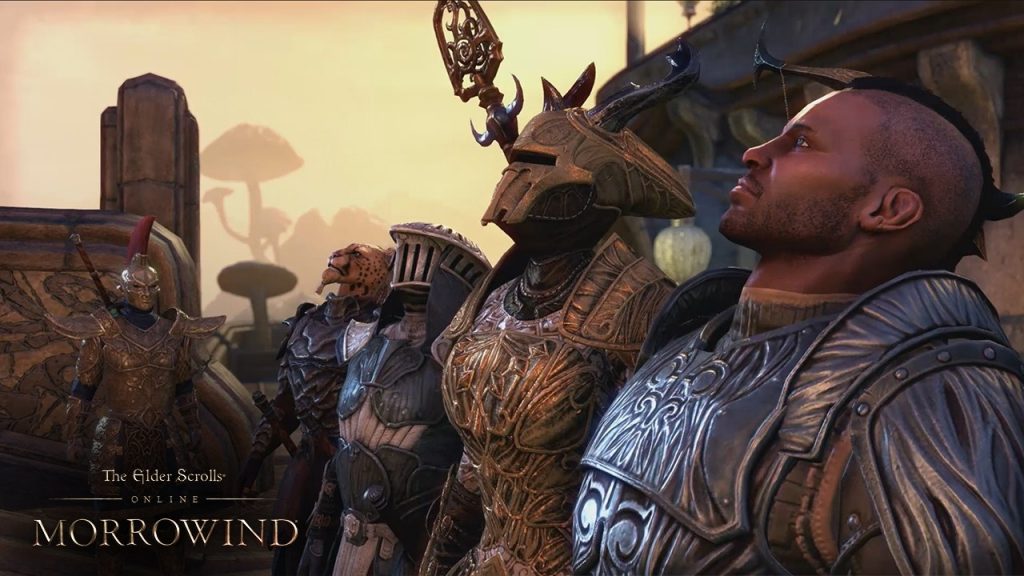
Only when expansions fall significantly below the “norm” in size and bring too little new content does such a discussion break out – as recently with The Elder Scrolls Online Morrowind. There was a special situation: Many paying ESO players would have preferred to see this expansion as a DLC. Because those are offered for free to players with a quasi-subscription in ESO.
The ratios of DLCs just do not add up
The ratios of DLCs almost never align in comparison to the main game. One can go even further: All prices in gaming are dubious when compared to each other.
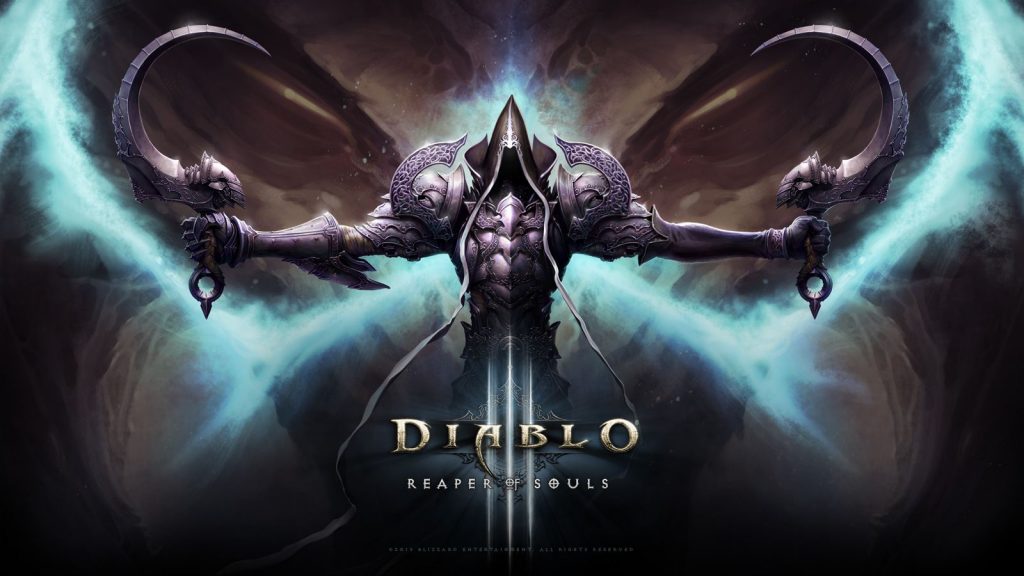
Because even the expansion Reaper of Souls, which cost two-thirds of Diablo 3, roughly brought only one-third of the game content.
66% of the cost for 33% of the content? In the supermarket, one would yell “bait-and-switch”.
Developers say: That’s not how you calculate it. But players, as customers, are used to making exactly these calculations. They compare the price of a DLC to the base game. And in this comparison, developers can only lose.
DLCs are meant to offset high production and development costs
The logic of developers is: We continuously develop the game for free, bring patches, fix bugs, maintain a team, keep the servers running, and now and then we need revenue to justify this development effort. Therefore, there are DLCs that must refinance our efforts.
Thus Blizzard would like players not only to pay the €15 for the Necromancer, but also to see it as an investment for the continued seasons and the past and future development of Diablo 3.
Players counter: What development?
Critics and experts have long believed that paid DLCs are a trick by publishers to increase the established base price of €60 for a game retrospectively. Because with expansions and DLCs, that can be significantly raised.
Games cost €60, regardless of how expensive they were to produce
The established base price of €60 seems to be the crux for developers: Customers do not want to pay more. They do not care how high the actual production costs of the game were. However, these can vary significantly depending on the size of the game and how it is supported after release.
Grand Theft Auto V was said to have cost $137 million. In contrast, Witcher 3 cost $46 million, nearly a bargain. However, Rockstar cannot charge €180 for its game just to maintain the ratio to Witcher 3. Customers would not be willing to pay that amount in one go. But in smaller chunks, they would.
No one can deny that the production and maintenance costs of games have risen exorbitantly in recent years. But how these increased costs are passed on to the customer causes anger.
The gaming industry has changed. In the past, a game was completed, and the publisher disbanded the team. Today, developers remain employed, so the expenses are there. The teams are working longer and are larger than before.
The problem is that these increased publisher costs are shifted onto customers through DLCs. The costs are incurred over a long period, but customers are then expected to pay point-blank – for a single, often too small DLC that has to cover the costs of previous patches, the oversizing of the game, and ongoing development.
What am I actually paying for?
At this point, the price/performance ratio is opaque. Because players think to themselves: What am I actually paying €15 for? It can’t just be for this class.
For what exactly this money is spent, really for the work on the game or whether a large portion of the money flows into the profit of the publisher, that is no longer traceable. Does the money really go into the ongoing development of Diablo 3, or does it disappear somewhere into the wallets of publishers? Am I financing an entirely different game or the bonuses of the CEOs?
The relationship between price and product is detached at the moment DLCs are “paid” for:
- If I buy a piece of butter in the supermarket, I pay exactly for that butter at the checkout.
- If I buy the new Diablo 3 DLC, then I’m not paying for that, but for an abstract construct that stands behind it. I pay for the game to be “maintained” or “more expensive than the standard was in development.” I somehow take on an increased business risk. But I do not know whether I have already paid for that or how far the money is really meant for the ongoing development of the game.
The position of developers is weakening, when looking at the balance sheets of market giants. Because a game like Diablo 3 has already recouped its increased production costs through its incredible success. Here, developers already benefit from the oversizing and further maintenance: People buy Diablo 3 also because they know that it will be further developed and expect it.
The future of DLCs is uncertain
All these problems will also ensure that players will be very upset about DLCs and their prices in the future – especially when DLCs turn out to be as small as in Diablo 3 and the Necromancer.
However: Maybe there will soon be no more DLCs. The trend is moving towards either eliminating DLCs or releasing them for free. The funding of games will then be done through microtransactions. Blizzard is already following this example with its new games like Overwatch and is earning millions without DLCs and with loot boxes.
Is this really better? With loot boxes, the player knows exactly what he is paying for at that moment. However, they bring with them entirely new problems.
If you spend €15 for it, you should also get something out of it:
Diablo 3: The Best Necromancer Build – The Inarius Set in Season 11