

As a father of three children, all of whom are avid gamers, My-MMO author Andreas Bertits is directly affected by the topic of “microtransactions and minors.” He describes how he and his wife deal with the situation when the children ask for money for Roblox.
Loot boxes and microtransactions are a recurring topic on gaming sites.
Time and again, we read and hear that loot boxes should be equated with gambling mechanics in order for them to be subject to the same rules.
Politicians call for better regulation, while game studios resist this classification as gambling. EA referred to its loot boxes in June as “legally ethical surprise mechanics” and compared them to Kinder Surprise Eggs.
For many, this is a topic they can only read about. However, as a concerned father, this topic regularly impacts my daily life.
Microtransactions? A norm for younger players
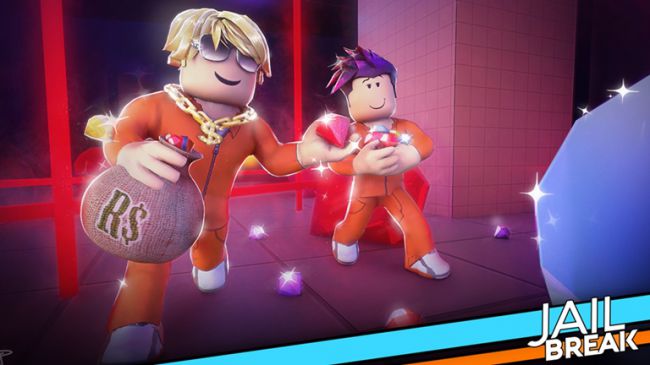
“Dad, can I buy Robux for Roblox?” I have now heard this sentence countless times from my youngest daughter, who is eight, soon to be nine. She enthusiastically plays games on the popular platform Roblox that others have created and even tries her hand at “developing” her own little projects. I set up her account after informing myself about Roblox.
A “no” in response to the request for Robux leads to a long face and sometimes tears. The Robux are important to my daughter. After all, she can enjoy her game better with it.
As a father, I have to limit this, keep it within manageable bounds. However, I do not want to completely forbid it. My parents also allowed me to buy stickers for a collection book – within a certain framework.
Nevertheless, one can see how much microtransactions are part of the gaming experience for younger players. They grow up with constant advertising for currencies or in-game items popping up. It has become normal for them. Something that we older gamers can only shake our heads about. As a father, I must learn to deal with it.
Age ratings are good, but…
By the way, it is important for me to pay attention to what my children are playing. I have been an avid gamer since I was young and I am also professionally involved in the matter.
I know which games are suitable for my children or can quickly and easily make myself informed.
My wife and I have an agreement with our kids: If they want to play something, they talk to us about it, and then we decide together whether the game is appropriate for them.
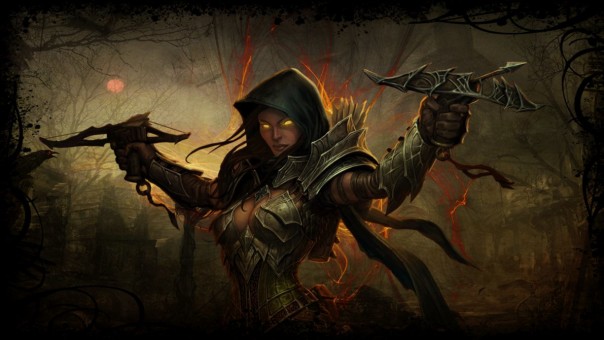
We orient ourselves to the USK rating but decide ourselves what can be played and what cannot. My oldest daughter is now 15 years old, and we have allowed her to play Diablo 3.
A game that both my wife and I have already completed. Based on our experience with the hack ‘n slash and because we know our daughter well, we believe that Diablo 3, despite its age rating of 16, is suitable for her.
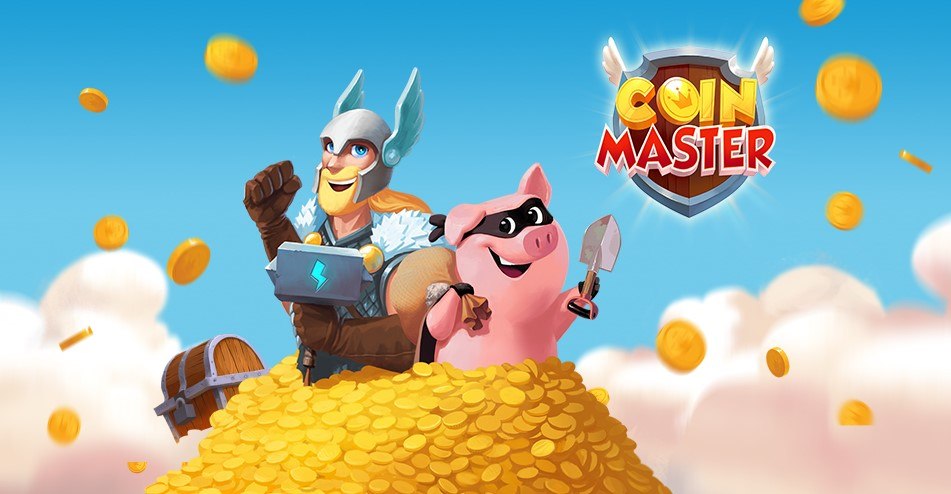
However, that is not enough nowadays. A game can appear harmless at first glance, with colorful graphics, cute characters, and no violence, yet it can still become problematic. Best example: Coin Master.
The game appears as a recommendation in the App Store, looks colorful, and seems harmless. Yet players use a gambling-like machine for in-game items and can spend a lot of real money in the title. Now, while the mobile game may be rated for ages 16 and up, is anyone paying attention to that?
My impression is that the marketing for Coin Master targets younger children. My oldest daughter, at 15, is no longer interested in this colorful graphics, nor are my wife and I. Who else is left? The two younger ones in the family, aged 8 and 11. They think the cute characters are great and want to play Coin Master.
Trust is important
My children enjoy playing on the console, mobile phone, and PC. My wife and I pay attention to what the kids are playing. However, we do not want to constantly supervise them. After all, we were not constantly monitored during our childhood. My parents had trusted me to some extent, and I wish to handle my relationship with my children in the same way.
This includes allowing the children to play alone. When they are gaming on their phones or PCs, ads for various colorful games or advertisements for the purchase of in-game items pop up. This is tempting for the little ones.
We have since set all devices so that no purchases can be made without permission from my wife or me. It wasn’t always like that. When a nice bill arrived from the Google Play Store, we all learned from it. The kids learned that they can only buy things after asking, and my wife and I learned to delete automatic payment options and saved payment methods.
Are in-game items equivalent to real money?
We do not always prohibit our children from buying in-game items. So the question “Dad, can I have more Robux?” does not always elicit a “no”. Occasionally, they are allowed to buy it after my wife and I have discussed it. After all, the kids receive pocket money and can spend it as they wish. If they want to spend it on Robux or other in-game currencies, they can do so – within a certain framework that is already deducted from their allowances.
What we observe: Especially for younger children, in-game currencies are just as valuable as real money. When we ask whether one of our younger daughters would prefer a 10-euro note or a 10-euro Google Play Card, we often hear that the card is preferred.
And here I see a problem that politics apparently has not yet understood: It is said that gambling is defined by the possibility of winning “real” money. If in-game items have the same value to children and youth as “real” money, does it make a difference whether one can win real money or items?
What I wish for
For this reason, I advocate for stricter regulation regarding loot boxes and microtransactions in games that target children.
In my opinion, such practices should not be allowed in games that are explicitly aimed at minors. When the advertising features colorful characters that clearly target kids, it raises my hair.
Because for me, it feels like companies are trying to extract money from children and entice them with fun “games of chance” to spend more money – although many studios naturally deny such practices.

From a business perspective, it is understandable that game companies seek new ways to monetize their products. The development costs of modern online games are rising, and they are expected to be operated for a long time, which incurs long-term costs.
But loot boxes and microtransactions targeting minors are problematic.
Of course, every adult can do whatever they want with their money. If someone enjoys spending a lot of money on skins, they should have fun doing that. But it is different with children.
Children are not adults
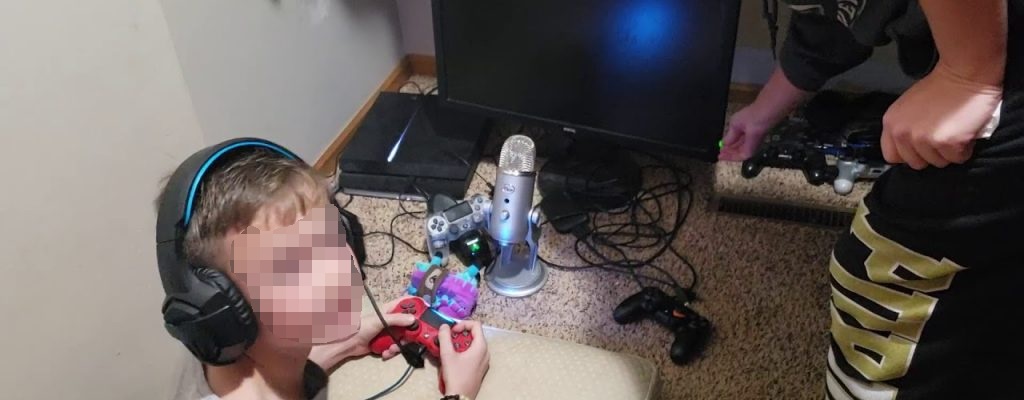
Children need to learn to manage money. They need to understand the value of money. They need to gain life experience to know how to handle certain situations. They are just children.
However, when money becomes a currency in a fun “game of chance,” it becomes all the harder for the little ones to assess its value.
Of course, parents have a responsibility to protect their kids from foolishness. But as a father, I often wonder if I am doing enough.
I always have the feeling that companies find loopholes and thereby new ways to get to my children behind my back. It feels like a battle against windmills.
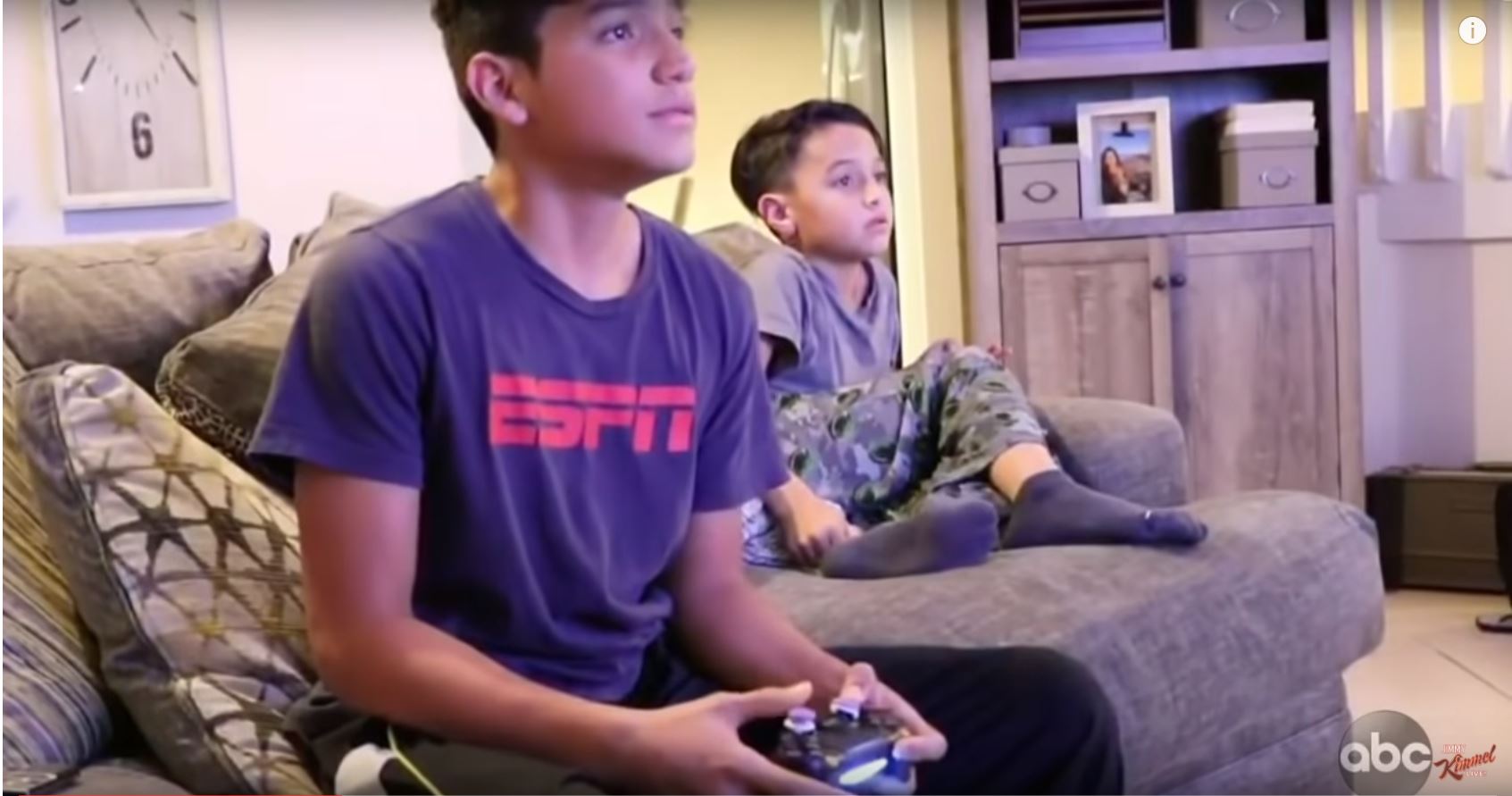
I would like more support from the government. As much as I oppose too much regulation, in the case of loot boxes and microtransactions, I wish the government would do more for children and parents to support us in this “fight”.
It doesn’t have to be a ban, but a clear and binding labeling of games with “gambling” elements for players 18 and older, possibly with age verification. Children should play; it is part of everyday life, but games must never pose a danger.
Moreover, more awareness for families would be beneficial, for instance through advertising on TV.
From developers, I wish for more sensitivity in dealing with this topic. I consider it wrong to advertise in-game items with colorful pictures and funny characters. This particularly appeals to children.
So please address adult customers and do not lure kids into the money trap with your “virtual sweets.” Thank you.

Your opinion is important to us!
Do you like the article? Then let us know!