Valve, the operator of Steam, is now taking action against gambling sites related to CS:GO.
Since 2011, players have been trading in-game items on Steam. Since 2013, a form of “gambling” has been observed in the popular shooter CS:GO.
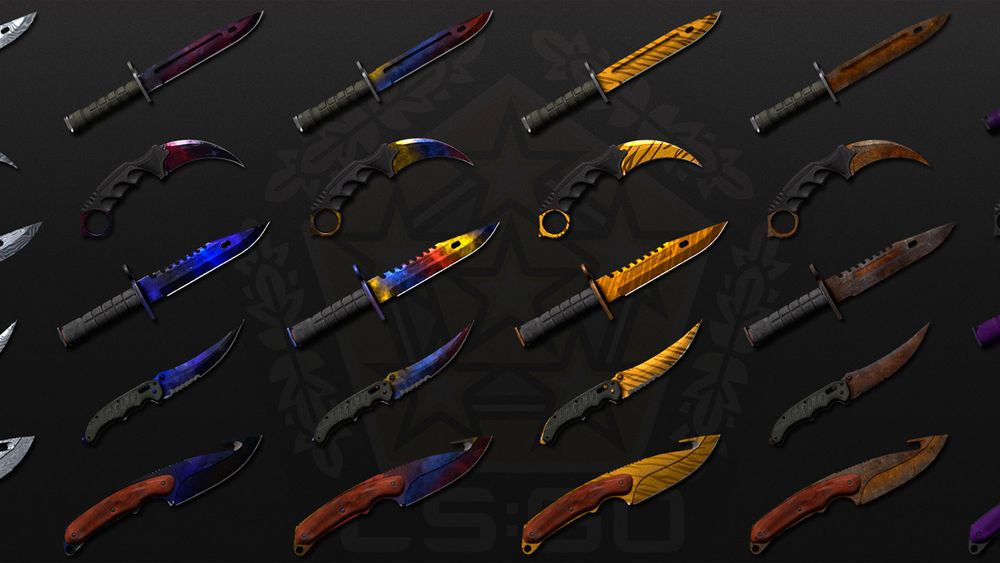
Weapon skins are traded for real money. Skins can practically be converted into real money at any time, or users can buy weapon skins for real money. Furthermore, there are sites that accept such skins as a sort of “currency” for gambling. For example, one can bet on the outcome of a professional CS:GO match using skins and then exchange the skins for real money.
This is considered illegal gambling by some. Critics compare skins as a substitute currency to chips in casinos. And for such gambling, there are clear regulations in the USA. Everything is state-regulated.
Particularly controversial: Critics accuse the entire complex of targeting underage customers, thereby enabling children and young people to gamble.
A lawsuit from a CS:GO player forces Valve to take action
This practice of “illegal gambling” with CS:GO items seems to have been ongoing for a while and is reaching larger dimensions. There seems to be significant money involved for the operators. However, in recent weeks, a discussion has erupted after a player sued Valve, alleging that they are supporting an illegal gambling ring.
Now Valve has come to a decision after the company’s silence drew criticism and the coverage of the topic has intensified in recent weeks.
Valve intends to take action against such gambling sites and clearly distances itself from them. It is stated that such sites using the Steam API is already against the regulations. They will send cease-and-desist letters to the corresponding sites. The goal is to keep such “gambling services” sites away from Steam. Furthermore, if necessary, additional measures will be taken.
Valve distances itself from gambling sites
Valve is particularly annoyed that the impression is created that they themselves are directly involved in the trading because so much happens through Steam. They clarify: We have no business relationships with such sites. We have never received money from them directly, and we do not have any system on Steam that converts skins into money.
The plaintiff criticized that Valve indirectly benefits from their percentage of the business with skins.
The major streaming service Twitch has also reacted and wants to ban “gambling podcasts” or other content that promotes gambling in CS:GO.
We have already addressed the relatively complex topic of “gambling in CS:GO” in this article: