
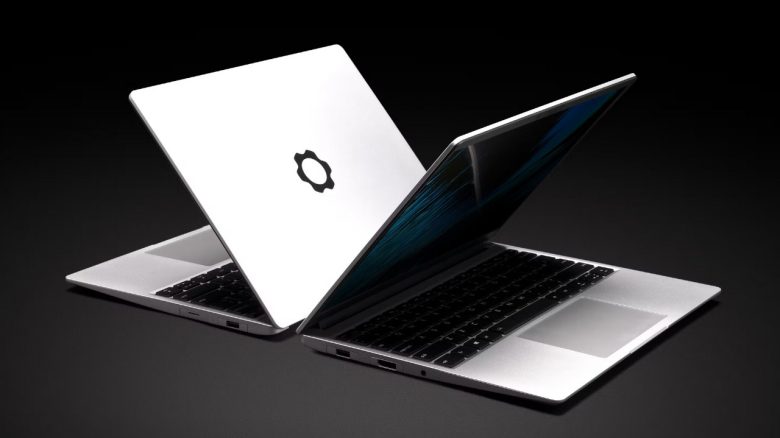
The company Framework offers unique notebooks: These devices can be assembled modularly, thus avoiding the drawbacks of other mobile devices. But how well does this idea work?
Notebooks and other mobile devices have a disadvantage: The components are almost always permanently installed; at best, you can still swap out or expand the RAM and SSD. Unlike a desktop PC, however, you can neither replace nor upgrade the GPU, processor or other parts.
The disadvantage of notebooks is therefore undeniable: The devices often become outdated after just a few years.
What does Framework do differently? The company Framework is based in California and was only founded a few years ago (2020). It has also become known through financial support from YouTuber Linus Sebastian, the head of “Linus Tech Tips.”
Framework wants to take a unique approach when it comes to notebooks: The notebooks are modularly built, and you can replace or swap pretty much any component. The company states:
Our philosophy is that through well-considered compromises in design and trust in customers and repair shops with the access and information they need, we can create fantastic devices that are still easy to repair. And what’s even better: What we’ve done to enable repair also opens up the possibility for upgrades and customization.
via frame.work
Recently, the new 16 series introduced new models with larger displays.
Notebooks from the company rely on an extremely modular design
What can be replaced? The idea behind it is both revolutionary and genius: You buy a notebook and can easily upgrade the hardware later with just a few steps. At Framework, this is exactly possible:
- The motherboard can be easily replaced along with the processor unit.
- You can integrate a GPU unit on the back for more performance.
- You can swap the keyboard and touchpad.
- Ports can be integrated as expansion cards into your system and can also be swapped out.
This also makes repair options incredibly easy. While with modern notebooks, you first have to search for the maintenance cover and then hope that the manufacturer hasn’t permanently soldered the RAM and SSD, here you can easily plug in and unplug all components.
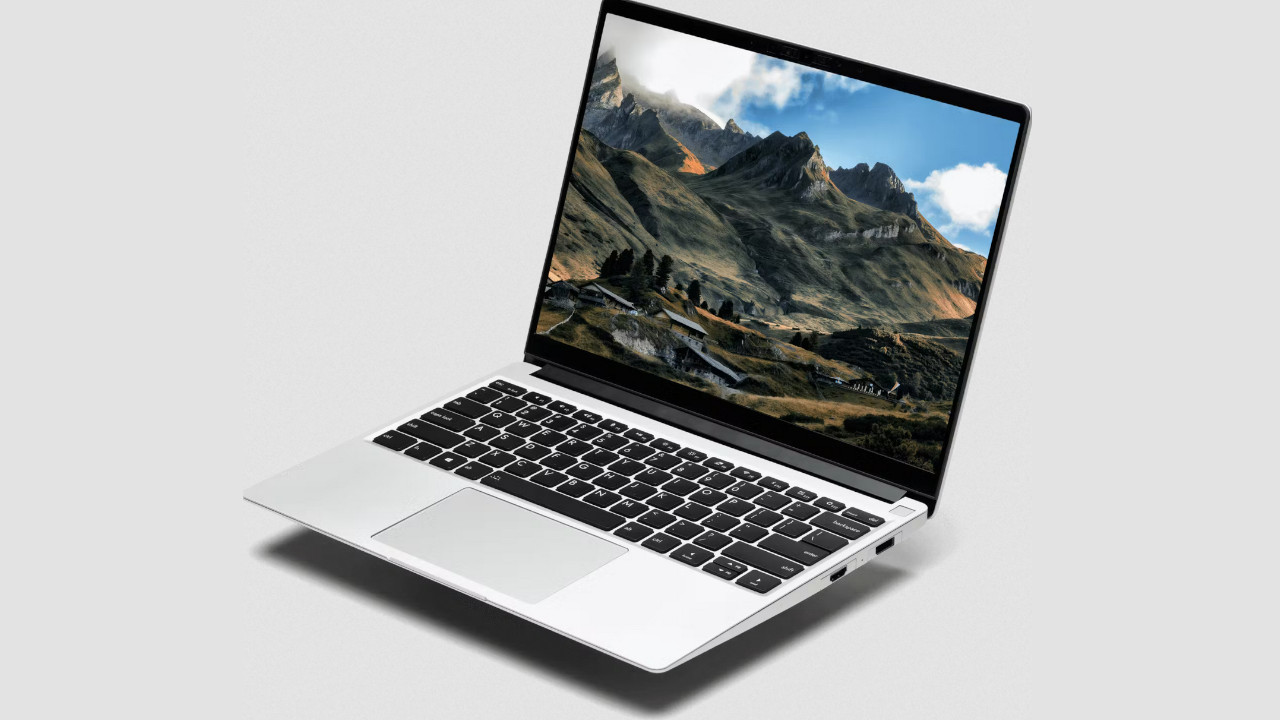
Testers: Framework is incredibly easy to handle, but far too expensive
What are the advantages? Many testers, such as colleagues from TheVerge, explain in their review that the notebooks are incredibly easy to use. With just a few steps, you can swap out parts, making repairs easier than with any other device.
Moreover, Framework offers modern hardware that you can install in your device. Theoretically, you can swap out the motherboard every year and always stay up to date with the latest technology.
What are the disadvantages? The biggest disadvantage, and everyone agrees on this, is the very high price of a device from Framework:
- For the new Laptop 16, you pay at least 1,579 Euros for the base system.
- For each additional upgrade, such as more RAM or additional expansion cards via USB ports, you pay extra. For an additional dedicated graphics card (RX 7700S), an extra 450 Euros are required.
- With several upgrades, you will easily exceed the 2,000 Euro mark. For a fully equipped model, you will likely pay more than 2,500 Euros.
With such high prices, it quickly becomes clear: Framework is definitely not a device for the masses, but rather a niche project. Or as TheVerge writes in its conclusion: “The Framework Laptop 16 is already the dream of every nerd: groundbreaking, fun, entertaining, and incredibly promising.”
A project for enthusiastic nerds, but not for people who just want to buy a new notebook. Colleagues from TomsHardware see it similarly and add: For the same price, you can get a gaming notebook with significantly more performance.
The upgradeability also has a downside: Spare parts or new components only come from Framework itself. If the company goes bankrupt or disappears, you will no longer have a chance to upgrade or repair your hardware. This is clearly pointed out by Arstechnica. Unless Framework later sells its plans and licenses to third parties, allowing owners of a Framework model to continue obtaining spare parts.



Other exciting ideas: Manufacturers repeatedly test new ideas to sell devices. Years ago, HP tested a particularly interesting notebook. A particularly strange idea, a mini mouse in the notebook, has not caught on: