

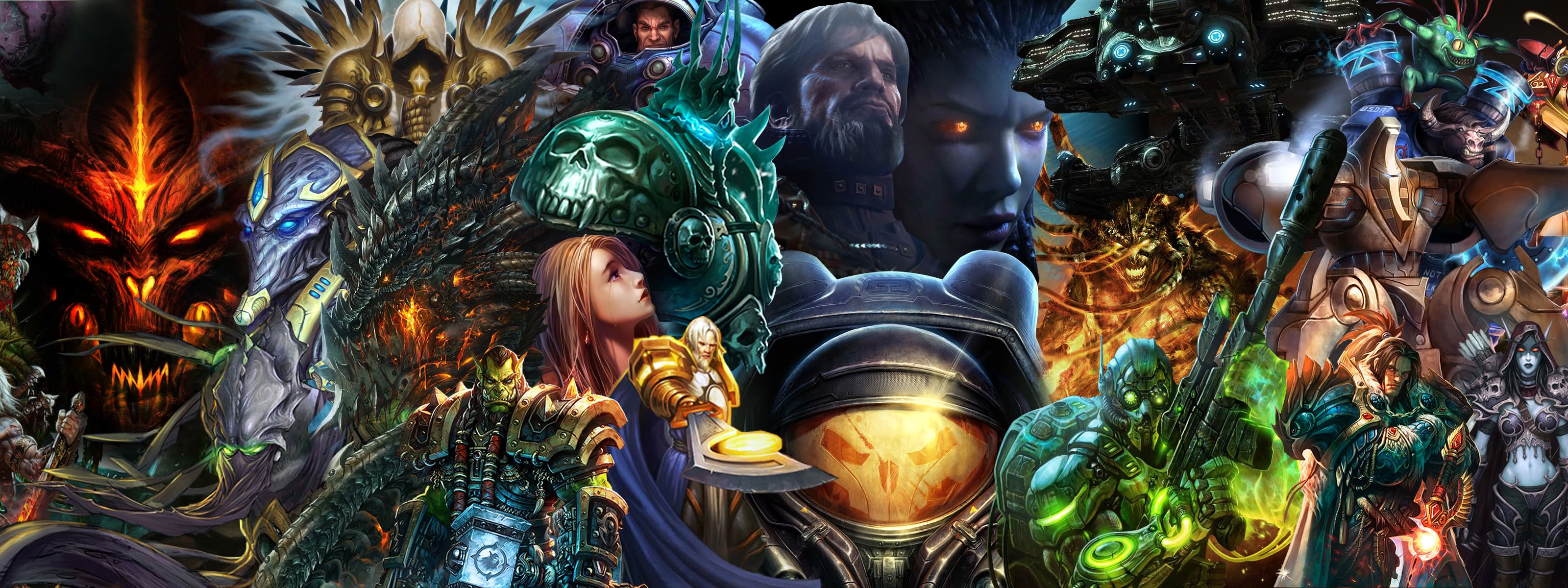
Activision Blizzard spoke clearly about their goals for the coming years. What else they want to improve besides eSports and mobile games, we tell you here.

The game developer Activision Blizzard undoubtedly belongs to the largest and most successful companies in video game history. In addition to the great successes of Starcraft (which is still an important eSports title in many countries), World of Warcraft (which legitimized the MMO genre) and Hearthstone (which stormed the virtual card game market), the studio has several other “hot irons” in the fire. The colleagues from VentureBeat spoke in a detailed interview with the responsible minds behind Blizzard and learned a lot about the future. We have compiled the most exciting aspects for you.
Virtual Reality not an issue for Blizzard for now
One could say somewhat mockingly that Blizzard is not exactly known for being the first to forge new paths. The same seems to be true regarding the emerging technology of “Virtual Reality”. While they are definitely monitoring it with interest, it seems they feel it is not yet worthwhile to invest in development. Regarding Metzen, they say:
“Everyone is talking about VR and wearing funny helmets. Culturally, we are interested and watching. How cool would it be to walk around and experience World of Warcraft 1:1? That definitely seems to be the next horizon. But for now, we are just observing. It’s possible that other companies will take bolder steps in that direction and plant their flags there. But I believe we are not ready to conquer that area yet.”
“Deep Mobile Games” – Less “Casual Stuff”?
A particularly large part of the near future is seen by Blizzard in the area of mobile gaming. However, they want to move away from the “casual” impression that numerous games in this field have. Hearthstone was a first step in that direction. According to evaluations from SuperData, Blizzard’s card game has generated over 500 million dollars since its launch in 2013, making it the largest share of the 1.2 billion dollar market for digital card games.
Particularly the somewhat stagnant genre of real-time strategy, according to Frank Pearce, would be suitable for coming to mobile platforms.
“I don’t believe most players want to sit down for a 45-minute mission. This area needs a redevelopment.”
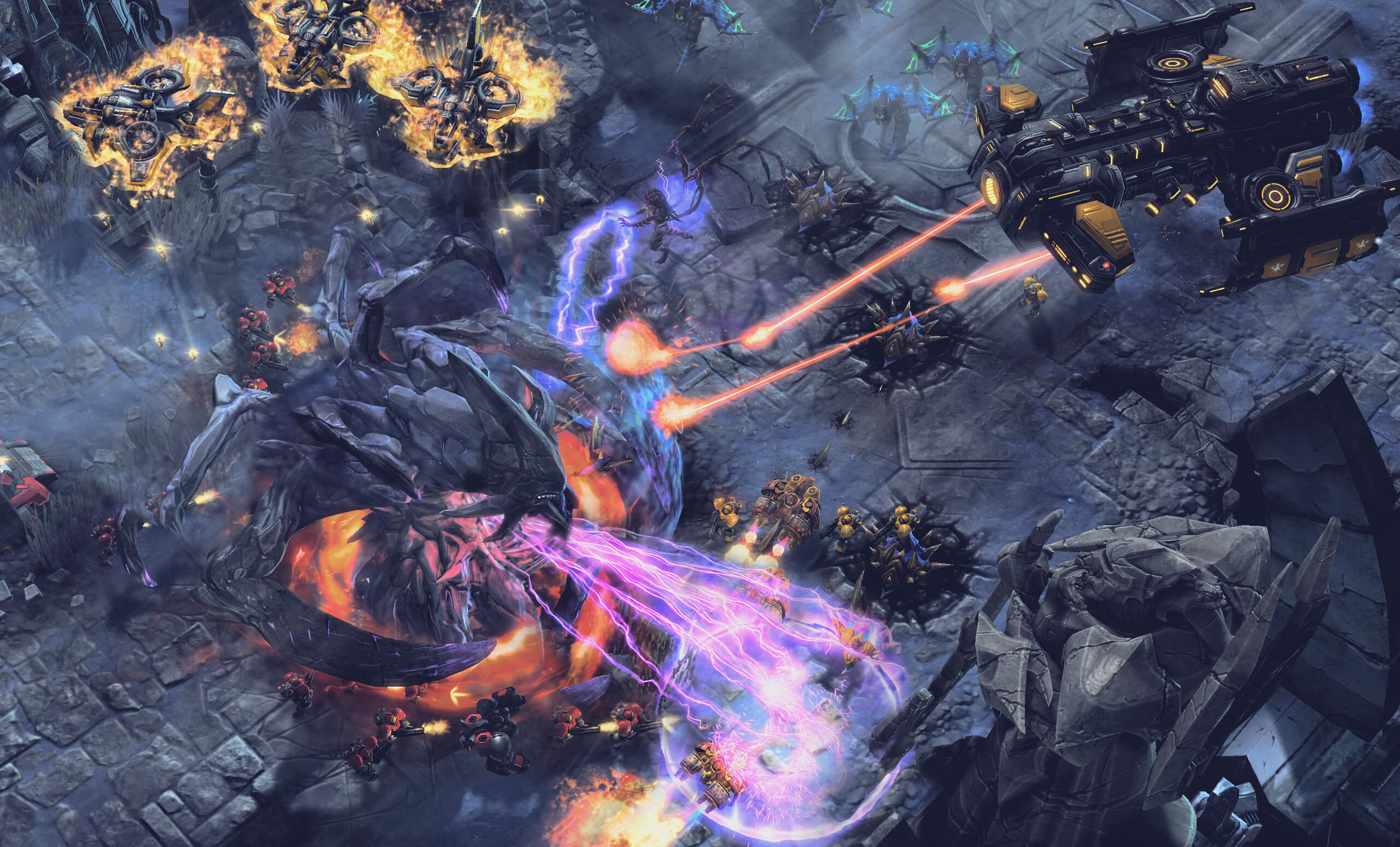
Many franchises would definitely lend themselves to filling the mobile market in the future. Overwatch and Starcraft are just two of them, and fans have been waiting for many years for a continuation of the traditional “Warcraft” game. So far, these are just considerations; there are currently no concrete plans.
More ways for players to create content themselves
Another problem the developers face is how quickly players consume content. Especially core gamers devour new content at such a fast pace that even the 250-person team behind World of Warcraft cannot keep up. One possibility they want to explore is to give players more tools to create their own content.
This was already done in Warcraft 3 with the map editor, which ultimately led to the birth of entire genres, such as MOBAs or Tower Defense. Even more powerful is the map editor in Starcraft 2, which allows even entire campaigns, including cutscenes, to be created.
They want to work on these possibilities in other games as well, although the options in each game are, of course, subject to different limitations. For example, with the latest patch of Overwatch, players can now create their own lobbies and make a variety of settings to create a completely different gameplay experience.
“Our community consists of insatiable consumers of the experiences we create. Everything we can do to give them more of what they want is good. When people run out of things they can do, they will spend their time elsewhere.”
The growth factor eSports
The greatest potential for growth is seen in the area of eSports. With all of Blizzard’s games, they want to consider opportunities for competitive events in the development of the games going forward. This doesn’t necessarily mean that eSports will be made a complete focus, but it should take on a much larger share than it has so far. They even lean far out the window and compare the opportunities in eSports to those in “real” sports.
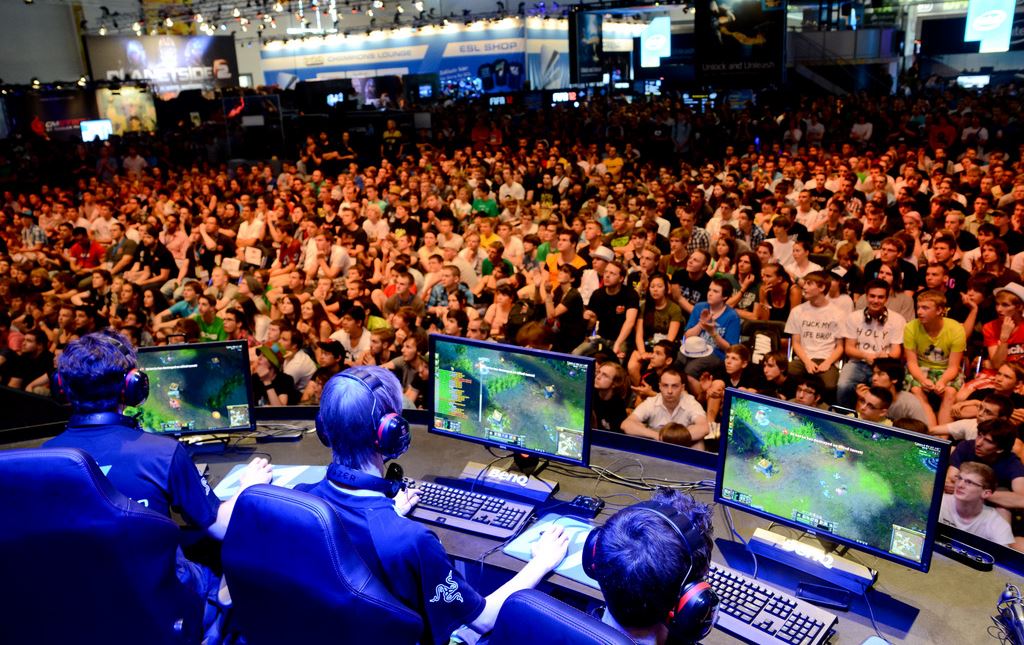
Offers like the NFL, the Premier League, or the NBA would be comparable sizes with which one could indeed measure up if enough investment is made in this area. Currently, revenues from the eSports sector are still very low and have “no significant meaning” within total revenues. However, they emphasize that expenditures are also kept within a small framework, literally stating that in terms of total expenses, “barely more than a few pennies” are involved.
Just recently, Activision/Blizzard legally secured the name “Compete” to possibly build a new platform for eSports.
Reaching larger groups
Above all, Blizzard highly praises the goal of making previously niche genres accessible to a broader audience. This would not only involve expanding the clichéd group of male teenagers but also getting more women interested in video games. However, this also means that the possibilities for interaction between players need to become safer. Women who identify themselves as such in World of Warcraft are still often subjected to hostility or even lewd comments – and this in a game where the gender ratio is more balanced “than many may think”.
A possible approach was to minimize communication between players, as was the case with Hearthstone’s emotes. However, this is unsatisfactory and a step backwards, as many players have built “long-term relationships and friendships. That should still be possible in the future.”
Blizzard’s plans for the future are grand, and especially in the areas of eSports and mobile gaming, the eyes of fans are now on the game developer. Will the ideas of “deep” mobile games come to fruition? In a year, we will surely know more.

Your opinion is important to us!
Do you like the article? Then let us know!