

Destiny developer Bungie did not have the opportunity to consolidate different platforms (Crossplay between PS4 and Xbox One only became mainstream with Fortnite). For this reason, in Destiny 2, the playlists and game modes were consolidated.
Thus, the entire player base spreads across only two playlists instead of six game modes. It is much easier to absorb player departures this way. Matchmaking runs relatively quickly, and connections are more stable.
What is the downside of consolidated playlists? Players can no longer choose which game mode they want to play, so unpopular game variants will inevitably be played.
A problem that Epic (at least for now) doesn’t have to deal with.
Fewer platform pools, consistent number of modes
Could Fortnite meet the same “fate” as Destiny? Theoretically yes, however, Fortnite is far from this point in my opinion. The game has always thrived on its vast diversity of various game modes. Also, the speed of matchmaking and finding new lobbies have set Fortnite: Battle Royale apart since its launch.

The partial consolidation of platforms is a smart move. The future and the further roadmap for Fortnite will show whether this measure was the only necessary one or if more will follow.
What do you think? Did Epic consolidate the platforms to combat player decline? Or is there something else behind it?
With the announcement, PS4 and Xbox players in Fortnite: Battle Royale now being forced to compete against each other, Epic has taken a strange step. Even though the official reason seems logical, this approach could also signal a decline in the general player base, at least according to our author Robert.
What has Epic changed about matchmaking? With the latest patch to game version 8.10, the composition of lobbies has changed:
- Where cross-platform matchmaking was optional before the update, it is now mandatory. This means that PS4 players and gamers on Xbox One will now face each other.
- The same applies to the Nintendo Switch and smartphones, which now always play against each other.
- Only players on PC remain amongst themselves, except for console players who play with mouse and keyboard.

What reason does Epic give for this step? The official explanation from Fortnite developer Epic sounds cryptic:
We were driven by the intent to free up more optimization potential so that we can run more standard modes for more hours in the day while also supporting more locations with data centers. Please provide us with your feedback about your experiences!
Developer Epic on the changes in the Patch_Modes
In short: Epic needs to consolidate platforms to maximize the range of available playlists:
- But why is this step coming exactly now?
- And why was the number of available playlists not a problem before, but now it is?
The real reason is, in my view, as mundane as it is obvious. Fortnite is losing players.
This is why Fortnite needs so many players:
The player base of Fortnite is tremendously fragmented, and Epic relies on many players playing Fortnite.
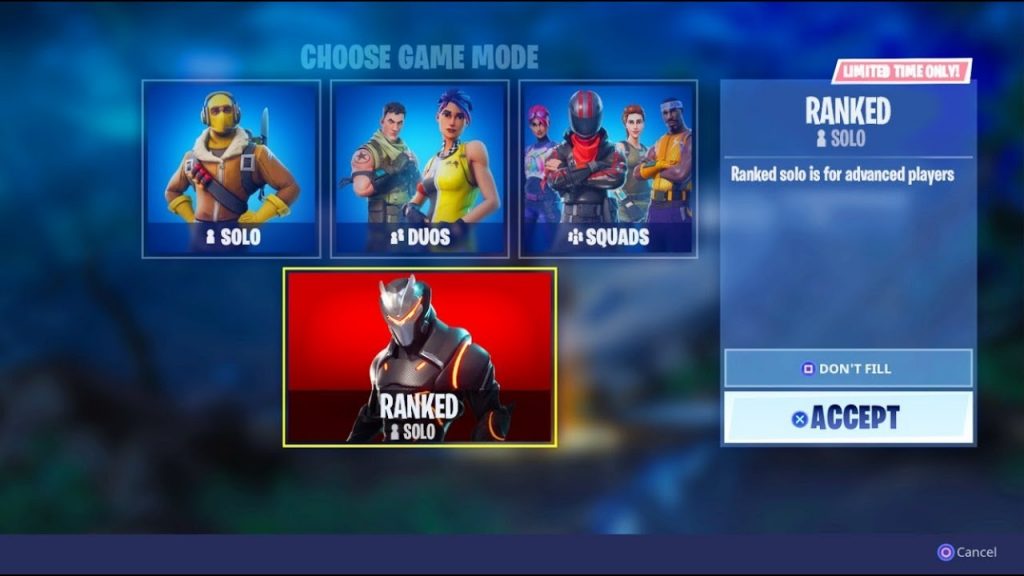
- Fortnite offers many different game modes, alongside solo, duo, squad, and team rumbles, also regularly limited-time modes.
- Then they have various data centers in all corners of the world.
- And each platform has its own player pool.
If each platform needs its own playlists at every data center in the world, longer wait times could occur, especially if someone wants to play an unusual mode at night. Apparently, Epic wants to avoid that at all costs.

Could Fortnite actually have a problem with its player base? There are good reasons for this thesis:
- The currently ongoing Season 8 is being viewed rather soberly by the player base. Little exciting new features, even the Battle Pass is not being celebrated anywhere near as much as in previous seasons.
- With Call of Duty: Black Ops 4 Blackout but especially with Apex Legends, Fortnite faces strong competition.
- Fortnite: Battle Royale is now a year and a half old. Many players have moved on or are simply tired.
- Due to the increased experience, it is becoming increasingly difficult for new entrants to achieve early successes. In almost every lobby, the builders battle it out for the victory. This leads to frustration, and in the worst case, to complete dropouts.

After Fortnite has rushed from one record in player numbers to the next, the player numbers could now indeed be decreasing. This is not surprising, after all, it is a significant challenge to keep a game fresh over time and thus keep the players entertained.
However, there are different ways to react to a declining player number. Epic is still in a very comfortable position with Fortnite here, as the example of Destiny ironically shows.
Destiny forwent game modes
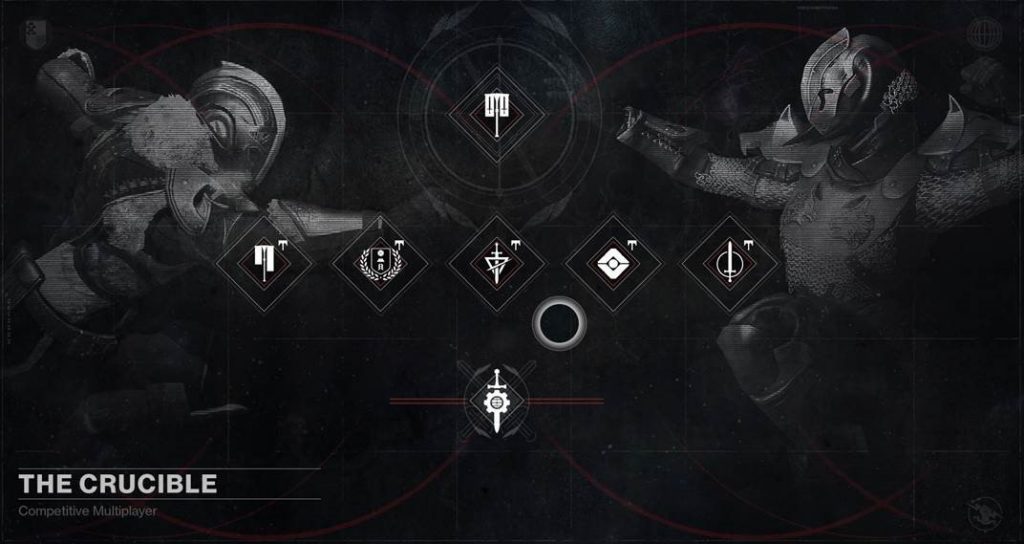
This is how Destiny dealt with declining player numbers: In Destiny, players were able to select the exact game mode like Control or Conflict in competitive multiplayer.
This fragmentation of game modes led to matchmaking taking a very long time, especially during quieter times. Additionally, the algorithm even threw players from different continents into a game, which further degraded the player experience due to lag.
Destiny developer Bungie did not have the opportunity to consolidate different platforms (Crossplay between PS4 and Xbox One only became mainstream with Fortnite). For this reason, in Destiny 2, the playlists and game modes were consolidated.
Thus, the entire player base spreads across only two playlists instead of six game modes. It is much easier to absorb player departures this way. Matchmaking runs relatively quickly, and connections are more stable.
What is the downside of consolidated playlists? Players can no longer choose which game mode they want to play, so unpopular game variants will inevitably be played.
A problem that Epic (at least for now) doesn’t have to deal with.
Fewer platform pools, consistent number of modes
Could Fortnite meet the same “fate” as Destiny? Theoretically yes, however, Fortnite is far from this point in my opinion. The game has always thrived on its vast diversity of various game modes. Also, the speed of matchmaking and finding new lobbies have set Fortnite: Battle Royale apart since its launch.
The partial consolidation of platforms is a smart move. The future and the further roadmap for Fortnite will show whether this measure was the only necessary one or if more will follow.
What do you think? Did Epic consolidate the platforms to combat player decline? Or is there something else behind it?