
A veteran developer and former Blizzard designer spoke about the sharp decline in player numbers for World of Warcraft and what, in her view, the reasons for the crash were.

Which developer is being referred to? Irena Pereira has been in the industry for 27 years and has worked for companies like Sony Online Entertainment and Warner Bros. Games. Today, she is the CEO and Creative Director of Unleashed Games, where the cooperative MMO Haven is being developed.
From January 2006 to August 2008, she worked as a User Interface Designer on World of Warcraft, specifically on the last Vanilla updates as well as the expansions Burning Crusade and Wrath of the Lich King.
In an exciting article on nwn.blogs.com, the veteran describes why she believes that WoW: Cataclysm led to the significant drop in player numbers from over twelve million subscribers to nearly four million subscribers at one point.
World of Warcraft has often been declared dead; the video highlights three of those moments:
A change in target audience
What is the developer’s thesis? According to Pereira, the drastic decline in player numbers is attributed to a shift in internal focus when developing content for WoW, which Jeff Kaplan (many years WoW designer, later head of the team that worked on Project Titan and Overwatch, and Vice President at Blizzard) reportedly initiated with a simple question.

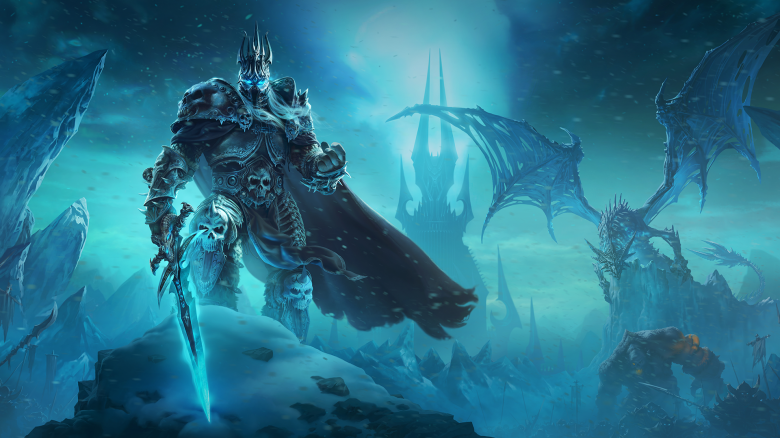
Specifically, the developer refers to the planning of an expansion around the Lich King and the design of the Death Knight class. In a discussion about powerleveling curves and multiplayer content, Kaplan supposedly interjected: “What about the solo players?”
This question persisted in the minds of the team and they began to put a much greater focus on the solo experience in WoW. Irena Pereira refers to it as an “overcorrection,” as the developers galloped too far in this direction, visibly damaging the social gaming experience in Azeroth.
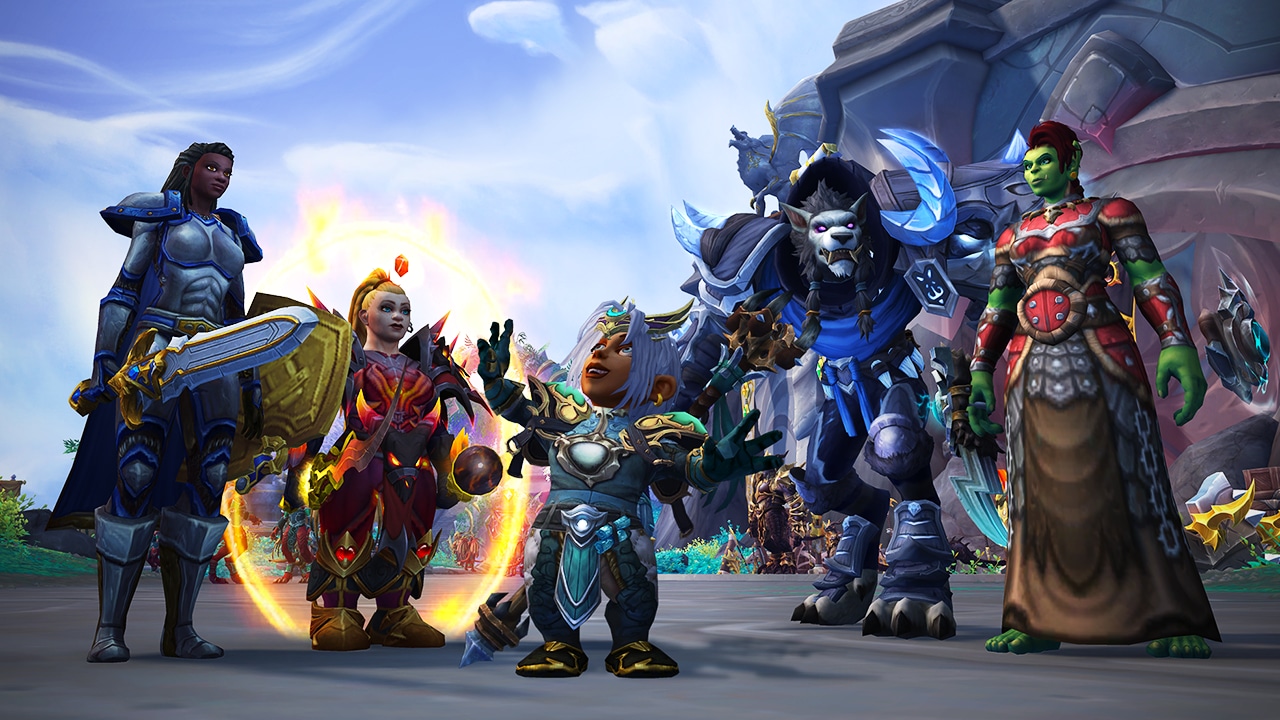
What does the solo focus have to do with player numbers? According to the developer, WoW’s incredible success in its early years was due to the immense appeal that Azeroth, as a dynamic virtual world, radiated, and to how the game fostered both cooperation and competition.
All of this has increasingly faded from WoW as a result of the new focus over the years. Instead, players are guided from character creation to endgame, with every single step spoon-fed. Every edge and hurdle has been replaced over time with comfort and new options.
The leveling experience today is so short and low-risk that it hardly holds any significance. Like in a script, one works like a machine, simply processing content and to-do lists in a specific order.


According to Pereira, all of this leads to dwindling motivation to join together with others, communicate, and help each other. WoW feels far less like a world. There are hardly any opportunities for individual player experience left. There are few incentives to participate in multiplayer content.
The Blizzard executives originally wanted to expand the target audience for WoW but apparently achieved the opposite, according to Pereira. The extent of the desire for the old player experience was impressively demonstrated by WoW Classic, the developer adds. If you want to read more about the success of the MMORPG, check this out: The exceptional success of World of Warcraft and its reasons

Your opinion is important to us!
Do you like the article? Then let us know!