
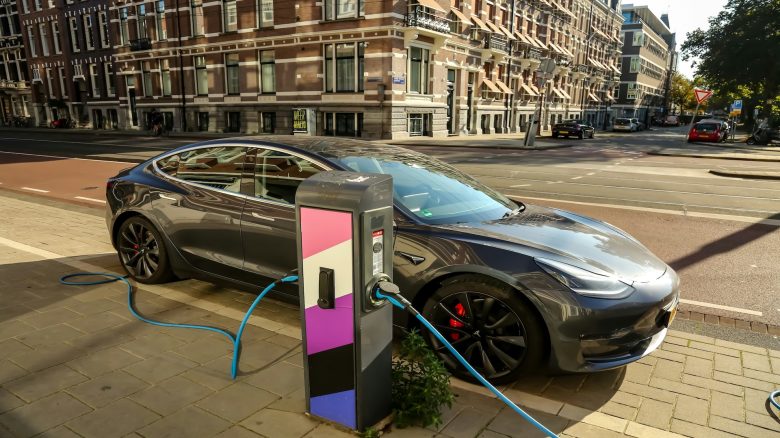
A report from the US data company Recurrent from 2024 shows: The replacement of an electric car battery could soon be so cheap that it costs less than many engine repairs for combustion engines.
What has been the problem with the battery so far? The battery is the heart of an electric car – and at the same time its most expensive component. If it fails, the financial damage is often enormous. In many cases, a replacement no longer made financial sense. This is an argument that could sometimes also be decisive for combustion engines, as they can usually be repaired.
However, according to new forecasts, this problem with modern electric cars could soon be resolved, as calculated by Recurrent in 2024 for the first time. The basis for this is price forecasts from Goldman Sachs, which already predicted a drop in battery prices of up to 50% by 2030.
How are battery prices developing? In general, the data and analytics company considers the necessary replacement of batteries to be a rarity. According to Goldman Sachs, the replacement of a large 100 kWh battery could be around $4,500 to $5,000 (about €3,800 to €4,200) in the future, while a 75 kWh battery could cost about $3,375 (around €2,800). (Source: among others Motorpasion).

For combustion engines, major repairs can cost quickly €4,000 to €5,000 depending on the brand and extent of damage – sometimes even more. A larger vehicle battery, by contrast, is projected to cost around €3,200 to €4,800 by 2030, in addition to the installation costs (Híbridos y Eléctricos).
However, as of today, this is still different. In an interview with Economic Times with automotive engineers, it was described that in extreme cases the replacement costs could amount to up to 60% of the vehicle’s value.
In this context, the inevitability of a replacement received support. Because just like with smartphones, a vehicle battery deteriorates over the years, just like the charging cycles.
All Assumptions
How should the forecasts be understood? As industry medium Híbridos y Eléctricos classifies, these estimates do not take into account labor costs, as these can vary significantly depending on the country as well as brand and model.
How high the actual total costs will be and whether these forecasts will come true depends on many factors – such as usage, climate, warranties, or driving style. Political regulations and market acceptance also play a role. If everything comes together, electric cars could be not only more efficient, but also cheaper to repair by 2030 (via Híbridos y Eléctricos).



If batteries become so much cheaper, the next question arises: Where do they actually come from? Especially Tesla and other manufacturers are facing new hurdles – and are considering bringing production back to Europe: The US is currently making it significantly more difficult for electric car manufacturers. Tesla is now taking a bold step