
Realbotix presented humanoid robots for 200,000 euros at CES 2025, equipped with AI and supposed to convey “human emotions.” The robots are intended for societal and social interactions. However, despite advanced technology, they still appear somewhat eerie.
What makes the robots special? The company Realbotix presents humanoid robots at CES 2025 that aim to combine highly developed artificial intelligence with realistic appearance and human-like skin. Interested buyers should expect a price of around 200,000 euros.
The robots are designed to convey “human emotions” and adapt to human interactions. According to the manufacturers, the robots are designed to act as social companions and assist people with loneliness or social needs.
However, Realbotix is not only marketing the robots for social purposes but also hints that they can be used for intimate relationships. They use gestures and movements that, according to the company, simulate a “very human” feeling. They are designed to learn and adapt their preferences and quirks to the user.
The technology and functions of the robots
What technology is behind it? The humanoid robots from Realbotix combine advanced AI and realistic silicone skin to enable human-like interactions. They can hold conversations, remember previous encounters, and even simulate gestures like a human. Especially notable is their ability to replicate different personalities or historical figures. These features set them apart from other robots that often only offer simple, functional interactions.
What are the limits? Although the technology seems impressive at first glance, there are also noticeable flaws. The movements appear stiff and jerky, which makes the robots seem more like mechanical figures.
Particularly eerie is the revelation of the mechanical structure: when the robot’s face is removed, bulging, lifeless-looking eyes, plastic teeth, and a transparent skull are revealed.
These unsightly details enhance the “Uncanny Valley” effect. This effect describes the uncomfortable feeling people experience when an artificial appearance looks almost human but still deviates from the natural model in several details.
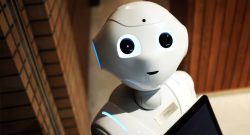

Humanoid robots are continuously being technologically developed. Although current models are not yet perfect, they demonstrate the potential to play a significant role in the future – whether in social interaction or as assistance in everyday life. However, there is still a lot to be done before they are truly refined.
What do you think about such robots? Do you see advantages or do you have concerns? One might envision them in many areas of life, while in others, one would prefer not to have them. As Elon Musk recently stated, there could be more robots than humans on Earth in just 15 years.