

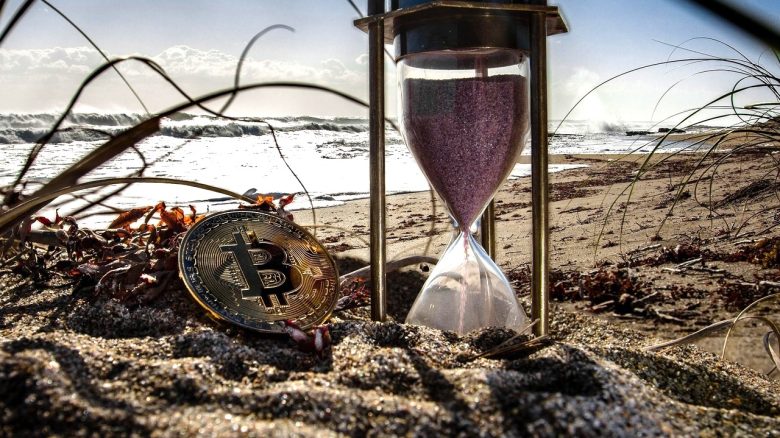
Over 50,000 people paid about 120,000 Euros for a life on the “Bitcoin Island” called Satoshi Island in the Pacific – so far, hardly anything exists in reality, houses and apartments have not been handed over, and now the location is even threatened to sink into the sea.
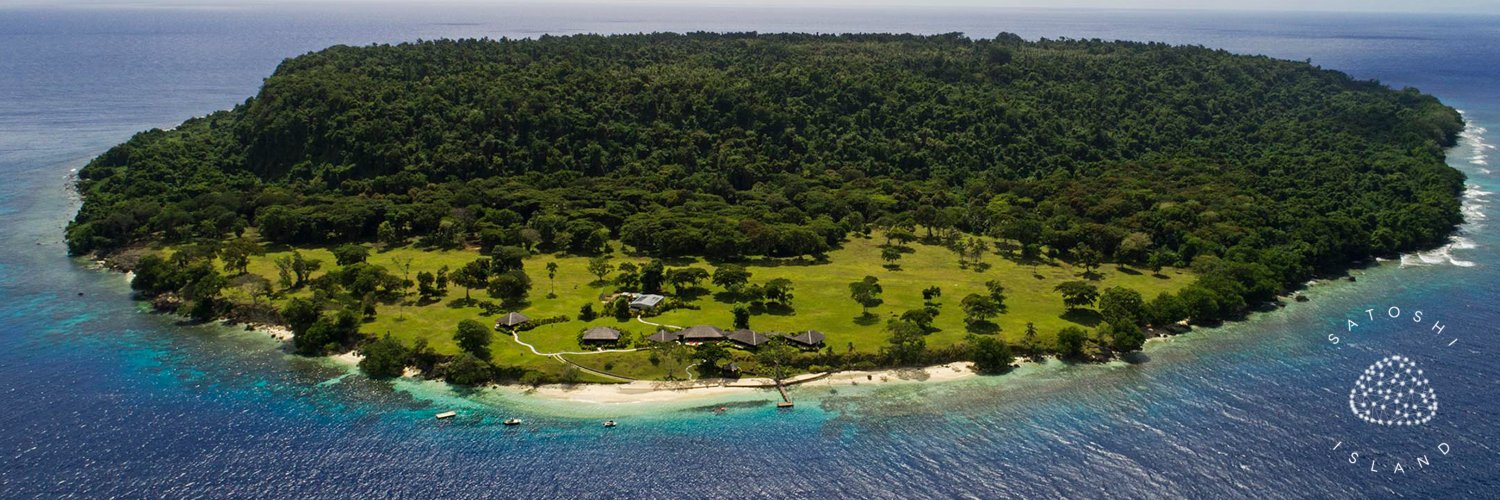
What is behind the project? Lataro Island, a 3.22 km² island in the South Pacific nation of Vanuatu, was originally utilized by the British entrepreneur Anthony Welch under a 75-year lease. Welch lived on the island since 2007, before announcing in 2022 that he would transform the island into a digital crypto utopia called “Satoshi Island” (via decripto).
The vision was grand: Together with his partner Theresa, Welch wanted to build a community of over 20,000 people that would rely entirely on digital identities, cryptocurrencies, and blockchain technology (via TheGuardian).
The island nation of Vanuatu, east of Australia, with its tax-free income models seemed to be the perfect location for this.
Broken Promises?
What was promised and what actually happened? The idea was to sell plots of land in the form of NFTs and build modular smart homes on the island. These were to be completely energy-independent and provide a modern infrastructure for contemporary digital living. Interested parties could purchase NFT deeds (a digital proof of ownership) that were meant to secure ownership rights and benefits – a whole living package cost between 100,000 – 120,000 Euros (via bleepingcomputer).
Around 50,000 people worldwide reportedly invested in this promise. Yet, about three years after the official start, the grand vision still stands on shaky ground: There are no clear indications that even a single living module has been delivered or installed on the island (via 3Djuegos).
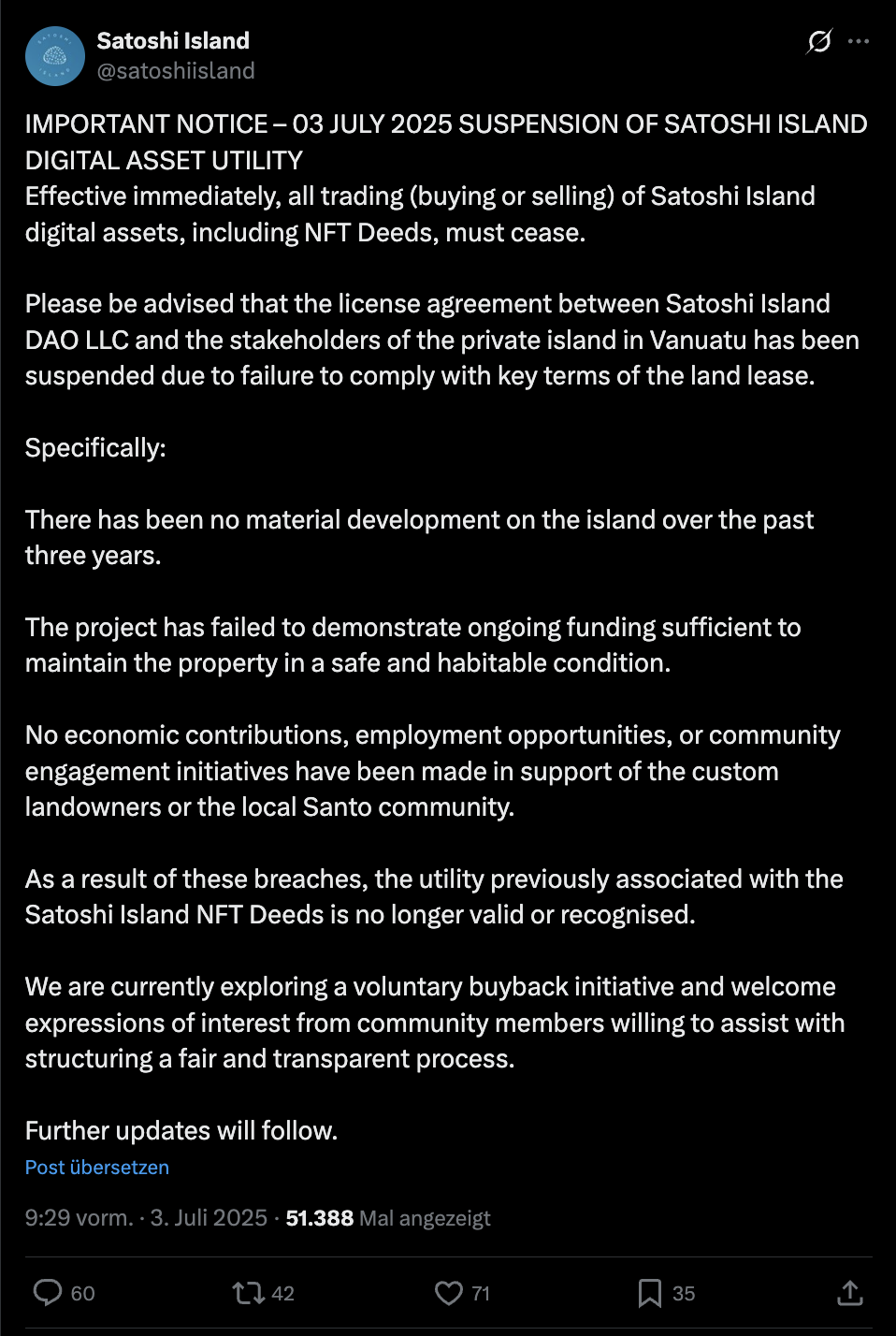
What is the current status? In July 2025, the project itself pulled the emergency brake: In an official statement on X, the Satoshi Island DAO LLC announced that all digital assets – including the NFT plots – are no longer allowed to be traded with immediate effect.
The reason for this is a breach of contract regarding the original land lease agreement. Three points were cited as the main reasons: Firstly, no substantial development has been undertaken on the island in the past three years. Secondly, there are insufficient financial resources to even keep the site in a safe and habitable condition. And thirdly, there have been no economic incentives, job offers, or social programs for the local population of Vanuatu.
The official website of the project is now no longer accessible. Furthermore, the island in the deep Pacific is also threatened by the climate crisis and rising sea levels.
How are investors and critics reacting? Already in the early posts of the project, critical voices repeatedly spoke out. Some warned against exaggerated and unrealistic expectations, comparing the undertaking early on to the failed scam luxury festival “Fyre Festival” (via lesperance).
Furthermore, the alleged offer of citizenship through NFTs was never legally clarified. While Vanuatu offers a legitimate citizenship-by-investment program, Welch’s Bitcoin Island had nothing to do with this program (via Government of Vanuatu). Additionally, the government of Vanuatu made it clear that acquiring an NFT does not guarantee a residence right (via protos).


Whether and if so, how Satoshi Island will continue to be developed remains to be seen. The island is not an isolated case as a potential scam – ambitious crypto projects repeatedly make headlines when grand visions meet hard reality: Thousands watch the CEO of Nvidia apparently promoting a crypto scam

Your opinion is important to us!
Do you like the article? Then let us know!